
Plant · GBIF taxon 2731882
Oil Palm
Elaeis guineensisAlso known as African Oil Palm, Macaw-Fat
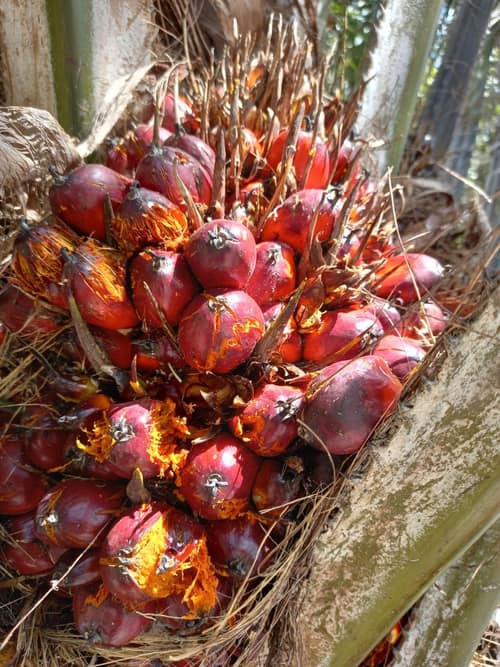
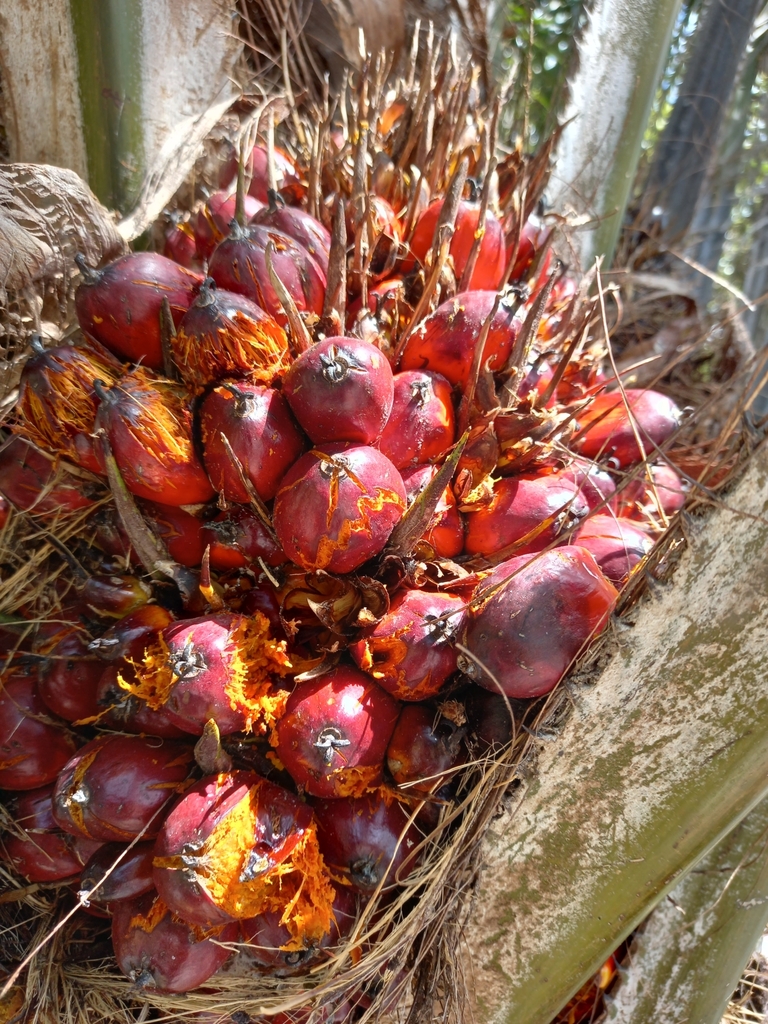
African oil palms grow with a tall, single trunk crowned by dozens of feathery fronds, producing heavy dense clusters of dark orange fruits. Native to the humid tropical forests of West and Central Africa, these trees rely on specialized snout beetles for pollination and seed-dispersing mammals for propagation. Extensive worldwide cultivation has reshaped tropical landscapes, making this palm central to global agriculture and rainforest conservation debates.
TropicalEvergreenAgricultural
—observations
—countries
—peak records
Least ConcernConservation statusIUCN Red List categoriesLCNTVUENCREWEXLeast ConcernRed List categories, explained →
Diet & prey
- Autotrophic
Predators
- African Palm Civet
- Rats
- Wild Boar
ThreatsPlant Diseases, Insect Pests, Habitat Fragmentation
HabitatsTropical Rainforests, Riverine Forests, Plantations
Life span25–30 years (commercial) or up to 80 years (wild)
Size / weightNot available
Classification
- OrderArecales
- FamilyArecaceae
- GenusElaeis
- SpeciesElaeis guineensis
Range data is not available yet.
Interaction riskLow
- Low
- Moderate
- High
- Very high
- Why interaction risk is low
- Wild palm fruits have toxic look-alikes; never eat wild fruits based on app identification alone.
Responsible observation
- Identification: Look for thick clusters of orange to dark reddish fruits wedged near the base of frond stalks.
- Safety: Avoid standing directly beneath tall mature palms due to heavy falling fruit bunches and dry fronds.
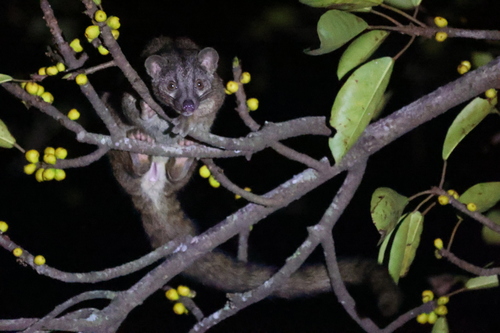
Seed Disperser (c) Tommy Andriollo, some rights reserved (CC BY) · cc-by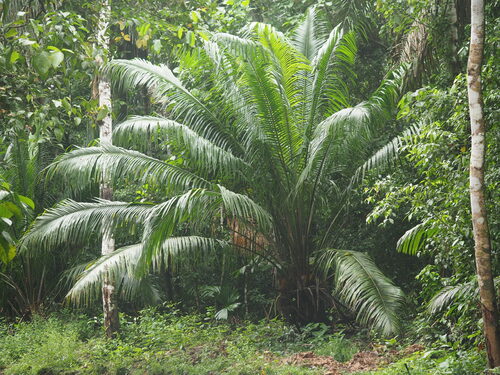
Close Relative no rights reserved, uploaded by Andra Waagmeester · cc0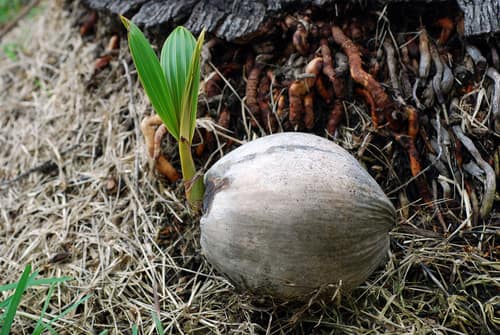
Family Member (c) Douglas Goldman, some rights reserved (CC BY-SA), uploaded by Douglas Goldman · cc-by-sa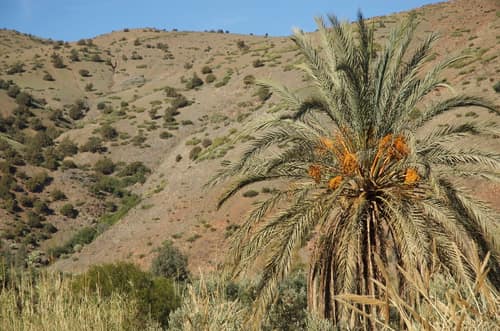
Family Member (c) Ashley Basil, some rights reserved (CC BY) · cc-by
Help improve the field guideSomething wrong?
Checking your Fauna account…Report a name, category, or profile issue for review.