
Plant
East African Yellowwood
Afrocarpus graciliorAlso known as African Fern Tree, Bastard Yellowwood, Fern Pine, Weeping Podocarpus
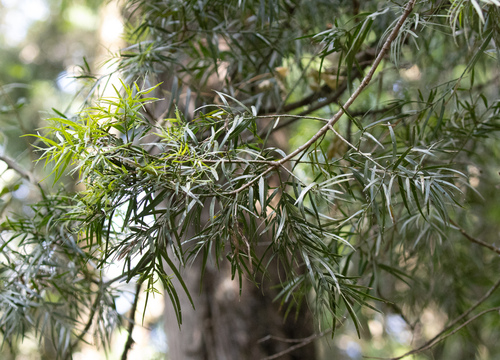
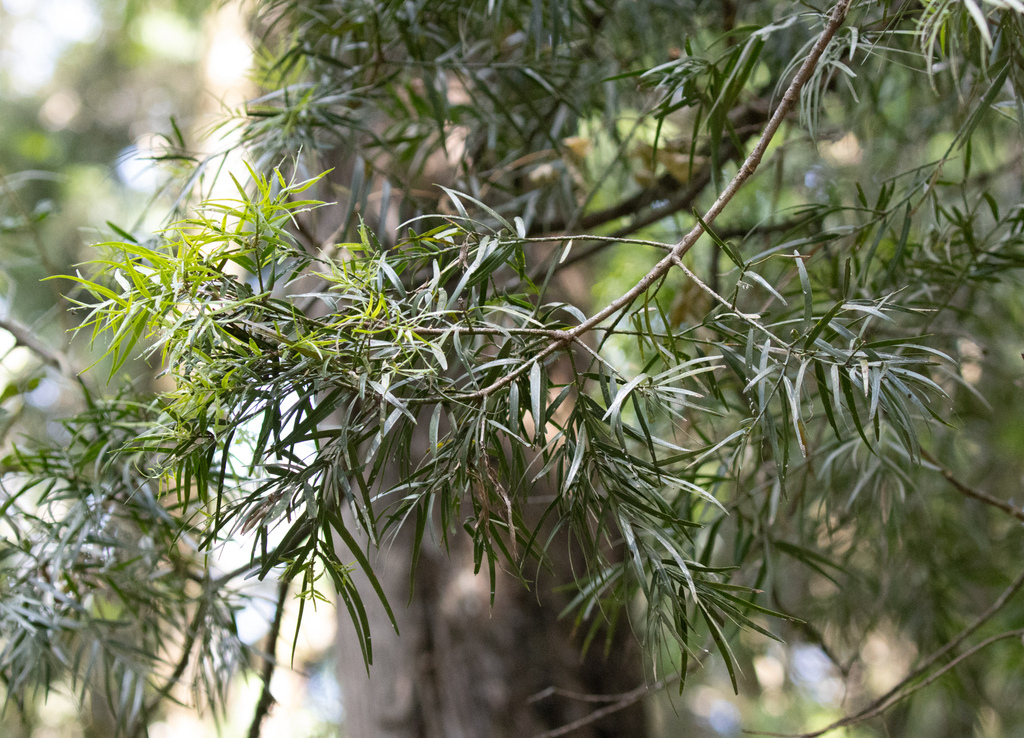
East African yellowwood is a stately evergreen conifer native to the montane forests of eastern Africa, often soaring into the canopy with a dense crown of narrow, glossy foliage. Dioecious by nature, mature female trees produce solitary seeds encased in fleshy, plum-like epimatia that turn pale yellow or purple when ripe. Widely cultivated across subtropical regions as an ornamental shade tree, it plays a vital role in native forests by anchoring fragile montane soils and nourishing fruit-eating wildlife.
EvergreenConiferCanopy Tree
—observations
—countries
—peak records
Least ConcernConservation statusIUCN Red List categoriesLCNTVUENCREWEXLeast ConcernRed List categories, explained →
Diet & preyAutotrophic (photosynthesis)
Predators
- Colobus monkeys
- Hornbills
- Turacos
ThreatsTimber harvesting, agricultural forest clearance, and localized habitat degradation
HabitatsAfromontane evergreen forests, riverine forests, and subtropical urban landscapes
Life span150–300+ years
Classification
- OrderPinales
- FamilyPodocarpaceae
- GenusAfrocarpus
- SpeciesAfrocarpus gracilior
Range data is not available yet.
Interaction riskHigh
- Low
- Moderate
- High
- Very high
- Why interaction risk is high
- Wild berries have toxic look-alikes; never eat based on app identification alone.
Responsible observation
- Identify Foliage: Look for spirally arranged, narrow, lance-shaped leaves that resemble weeping foliage.
- Inspect Lower Bark: Check for greyish-brown bark that flakes off in distinct rectangular or irregular plates on mature trunks.
- Observe Female Trees: Look beneath the canopy in late summer for fallen, fleshy, plum-like single seeds.
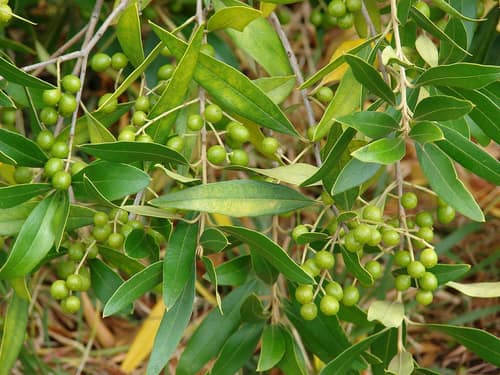
Frequent Companion Forest and Kim Starr / CC BY 3.0 us · cc-by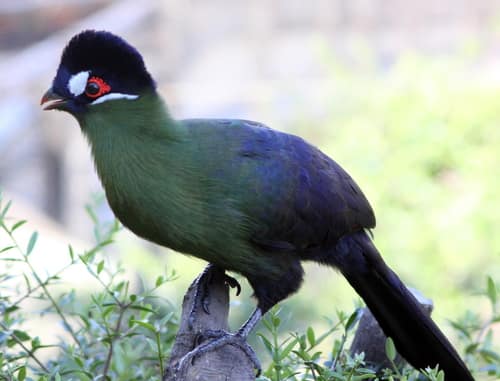
Seed Disperser (c) Derek Keats, some rights reserved (CC BY) · cc-by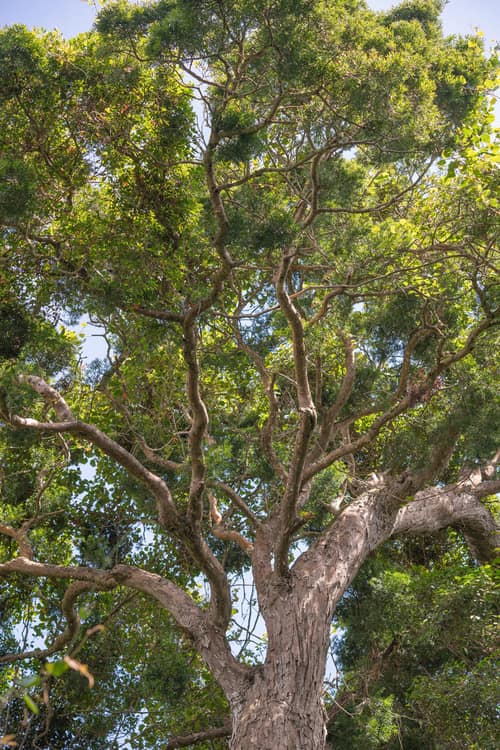
Close Relative (c) Morten Ross, some rights reserved (CC BY), uploaded by Morten Ross · cc-by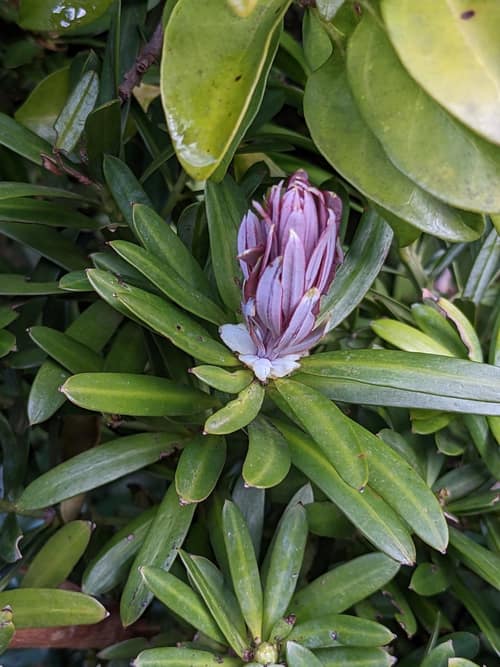
Same Family (c) Eric Knight, some rights reserved (CC BY), uploaded by Eric Knight · cc-by
Help improve the field guideSomething wrong?
Checking your Fauna account…Report a name, category, or profile issue for review.