
Fungus · GBIF taxon 2605403
Wolf Lichen
Letharia vulpinaAlso known as Wolf Moss
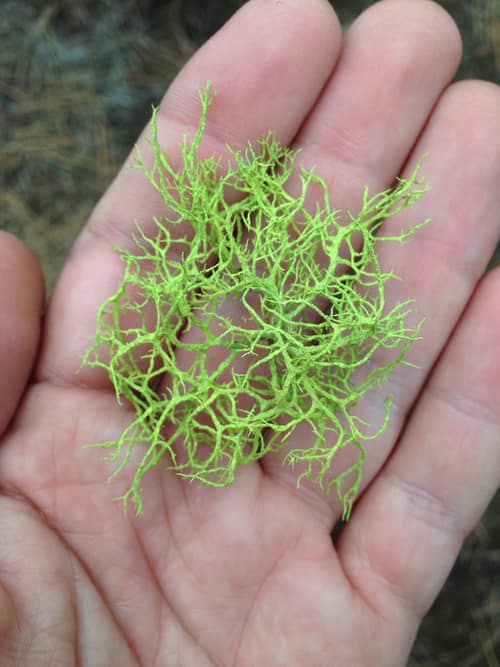
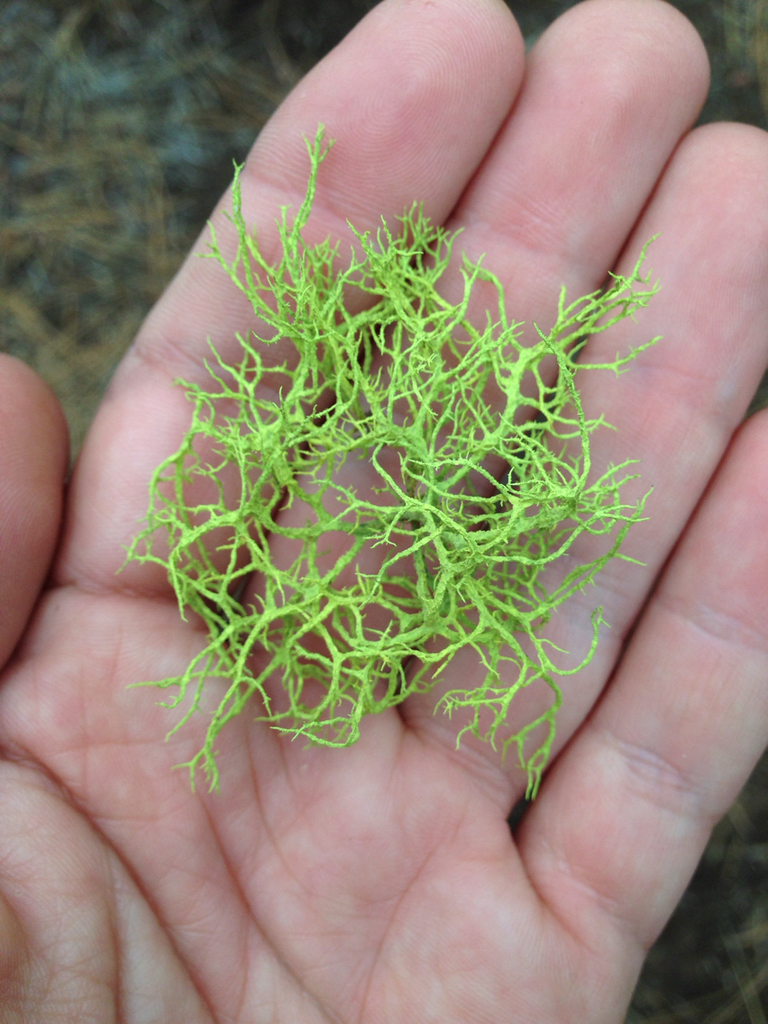
Vibrant neon-yellow tufts of wolf lichen drape the dry bark and dead branches of high-elevation western conifers. The lichen synthesizes toxic vulpinic acid to protect itself against intense ultraviolet light and herbivore grazing. Historically prized by Indigenous peoples for creating bright pigments and dyes, it derives its common name from traditional European use in poisoned wolf baits.
Bright YellowFruticoseEpiphytic
 1 / 7
1 / 7—observations
—countries
—peak records
Least ConcernConservation statusIUCN Red List categoriesLCNTVUENCREWEXLeast ConcernRed List categories, explained →
Diet & prey
- Photosynthetic (symbiotic algal photobiont)
Predators
- Mites
- Snails
ThreatsAir pollution, severe wildfire, overharvesting
HabitatsMontane conifer forests, dry pine woodlands, subalpine snags
Life spanDecades to centuries
Size / weightNot available
Classification
- FamilyParmeliaceae
- SpeciesLetharia vulpina
Range data is not available yet.
Interaction riskHigh
- Low
- Moderate
- High
- Very high
- Why interaction risk is high
- Contains poisonous vulpinic acid and wild fungi have dangerous look-alikes; never ingest wild lichens or mushrooms.
- Why it is dangerous
- Contains vulpinic acid, a respiratory toxin that causes severe poisoning and digestive distress if ingested.
- How to recognize a risky encounter
- Recognized by bright chartreuse shrubby tufts growing exclusively on dry conifer wood.
- What to do
- Observe in place without collecting, avoid contact with mouth, and wash hands after handling.
Responsible observation
- Substrate check: Look for electric yellow-green tufts on dry, barkless conifer snags in sunny montane forests.
- Branch inspection: Examine the branch tips to confirm the absence of dark brown fruiting discs.
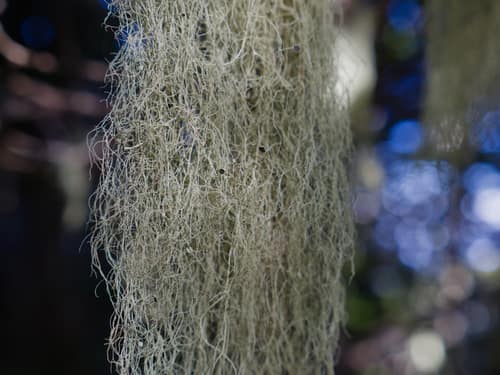
Co-occurring Lichen (c) wweellll, some rights reserved (CC BY), uploaded by wweellll · cc-by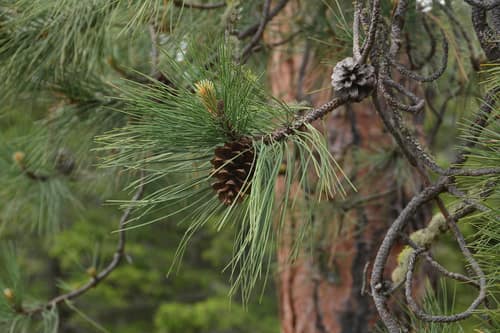
Host Tree no rights reserved, uploaded by Julia Carr · cc0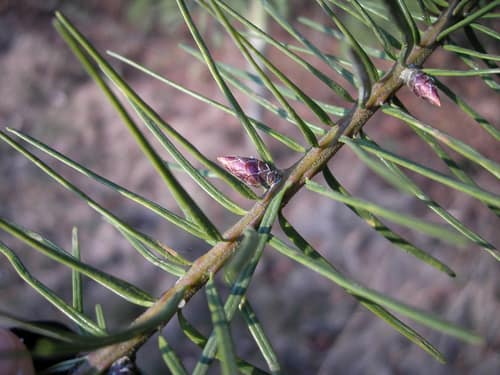
Host Tree (c) Danny Steaven, some rights reserved (CC BY-SA) · cc-by-sa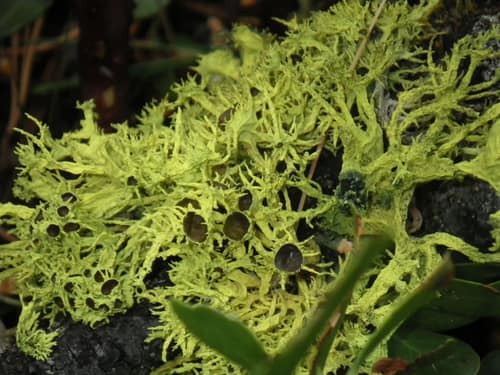
Close Relative (c) Dominic, some rights reserved (CC BY), uploaded by Dominic · cc-by
Help improve the field guideSomething wrong?
Checking your Fauna account…Report a name, category, or profile issue for review.