
Fungus
Field Earthstar
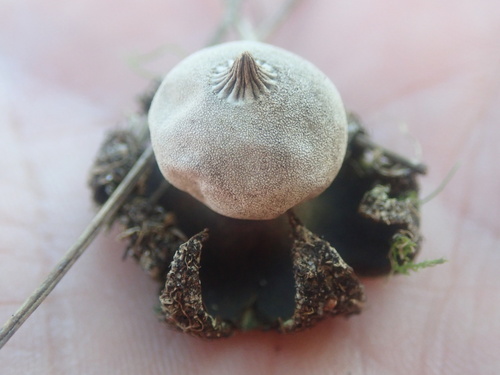
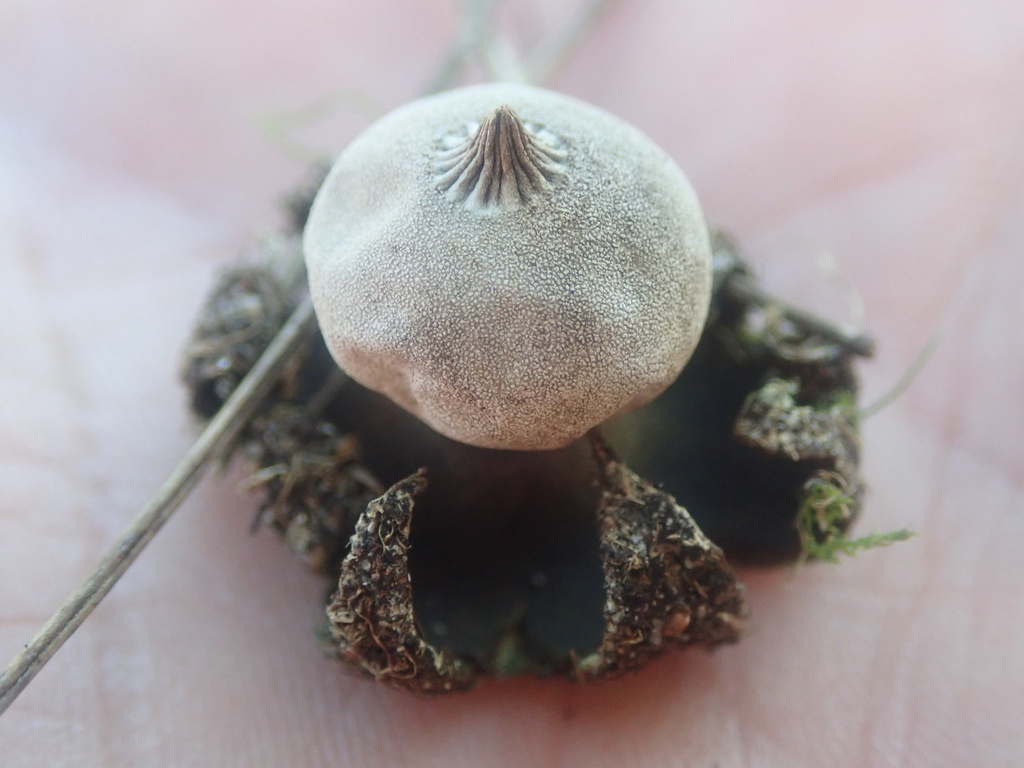
Geastrum campestreField earthstars emerge as subterranean globes before splitting open into pointed, star-like rays that curve beneath the central spore sac. Highly hygroscopic, the tough outer rays curl inward to shield the puffball during arid conditions and peel wide open in the rain to lift the spore sac above muddy ground. Raindrops striking the flexible sac pump dark powdery spores out through a finely ridged, conical aperture directly into passing wind currents.
FungusSpore-bearingSaprobic
—observations
—countries
—peak records
Not EvaluatedConservation statusIUCN Red List categoriesLCNTVUENCREWEXNot Evaluated — not placed on the risk ladderRed List categories, explained →
Diet & preyDecaying plant material, Soil organic matter
Predators
- Slugs
- Darkling beetles
- Small rodents
ThreatsAgricultural intensification, habitat loss from development, and soil compaction
HabitatsDry grasslands, sandy pastures, semi-arid scrub, and open calcareous steppes
Life spanFruiting body persists 6–18 months; underground mycelium lives for years
Classification
- FamilyGeastraceae
- SpeciesGeastrum campestre
Range data is not available yet.
Interaction riskLow
- Low
- Moderate
- High
- Very high
- Why interaction risk is low
- Many edible mushrooms have toxic look-alikes; never eat wild fungi based on app identification alone.
Responsible observation
- Moisture Observation: Drop a little water onto dry, curled specimens to watch the rays gradually unfurl.
- Gentle Inspection: Refrain from kicking or crushing the tough spore sacs so spores can disperse naturally.
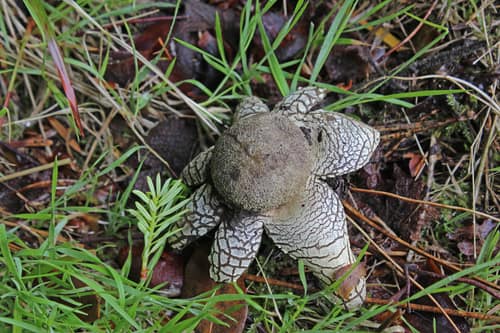
Look-alike (c) Davide Puddu, some rights reserved (CC BY), uploaded by Davide Puddu · cc-by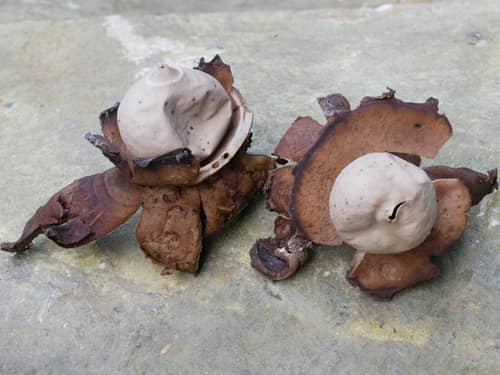
Close Relative no rights reserved, uploaded by Garrett Taylor · cc0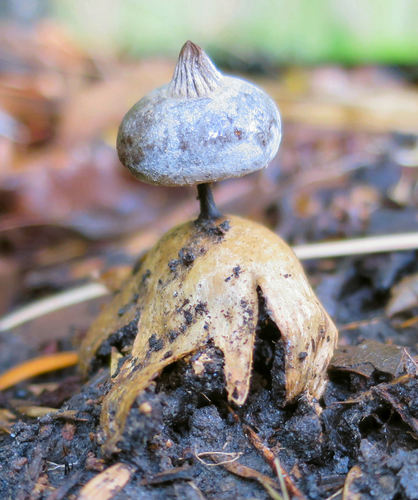
Close Relative (c) Alice Shanks, some rights reserved (CC BY) · cc-by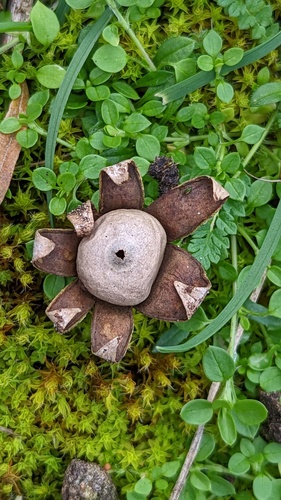
Close Relative (c) Michel Langeveld, some rights reserved (CC BY) · cc-by
Help improve the field guideSomething wrong?
Checking your Fauna account…Report a name, category, or profile issue for review.