
Fungus
Fairy Ring Marasmius
Marasmius oreadesAlso known as Fairy Ring Mushroom, Fairy Ring Champignon, Scotch Bonnet
Fairy ring marasmius emerges in lush, expanding circular formations across grassy meadows and suburban lawns following summer and autumn rains. These small, tan-to-buff mushrooms possess remarkable desiccation tolerance, shriveling during dry spells and fully reviving after rain. The subterranean fungal network releases nutrients as it spreads outward, often creating a ring of dark, fast-growing grass directly above the active growth front.
FungusGrasslandRing-Forming
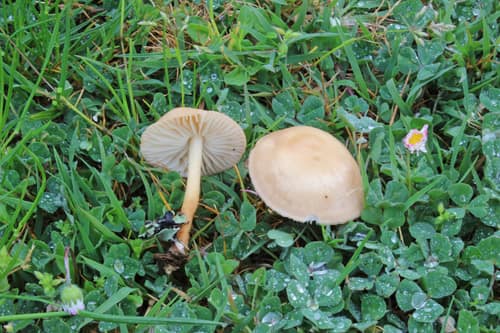
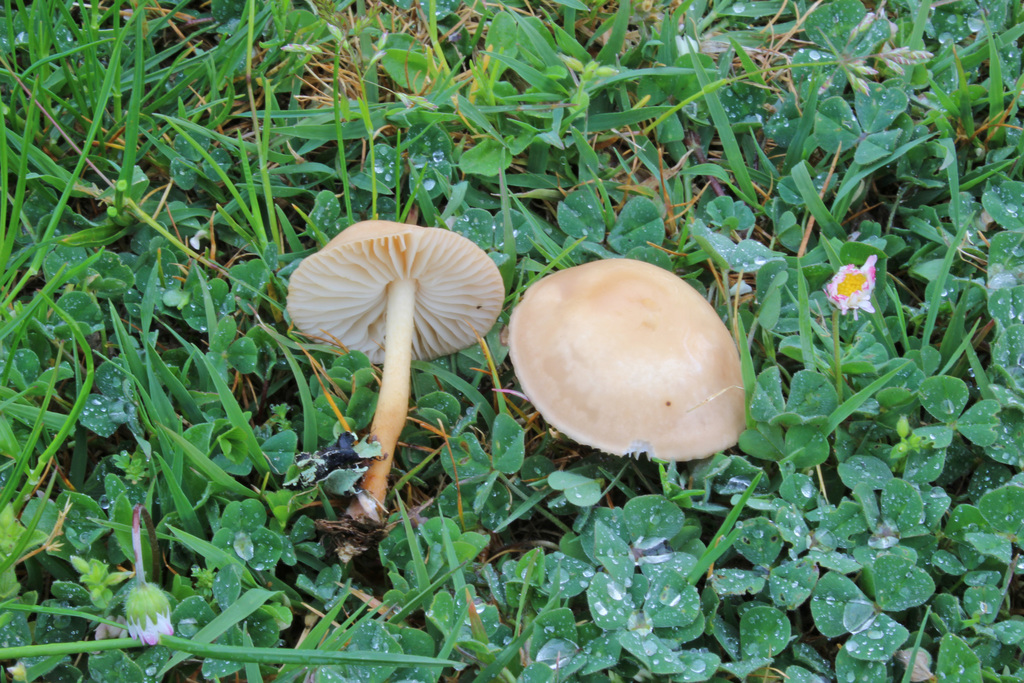
—observations
—countries
—peak records
Not EvaluatedConservation statusIUCN Red List categoriesLCNTVUENCREWEXNot Evaluated — not placed on the risk ladderRed List categories, explained →
Diet & preySaprotrophic (decomposes dead grass roots and soil organic matter)
Predators
- Slugs
- Fungus Gnats
- Nematodes
ThreatsFungicide application, intensive lawn cultivation, and turf removal
HabitatsLawns, pastures, grassy meadows, and parklands
Life spanPerennial underground mycelium (decades); individual caps last several days
Classification
- OrderAgaricales
- FamilyMarasmiaceae
- GenusMarasmius
- SpeciesMarasmius oreades
Range data is not available yet.
Interaction riskLow
- Low
- Moderate
- High
- Very high
- Why interaction risk is low
- Many edible mushrooms have toxic look-alikes; never eat wild fungi based on app identification alone.
Responsible observation
- Observe Habitat: Look for distinct arcs or lush green circular rings in lawns and pastures after rain.
- Examine Gills: Inspect the wide-spaced, cream-colored gills that remain free or barely attached to the stem.
- Test Stem Pliability: Flex the stem gently to note its tough, flexible nature that resists snapping.
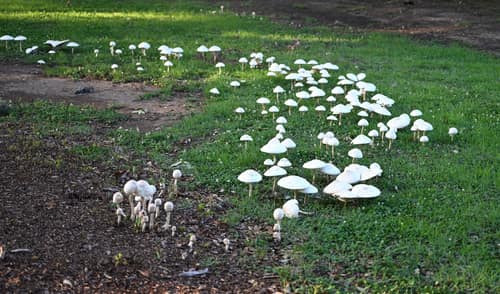
Toxic Look-Alike (c) Amber M. King, some rights reserved (CC BY), uploaded by Amber M. King · cc-by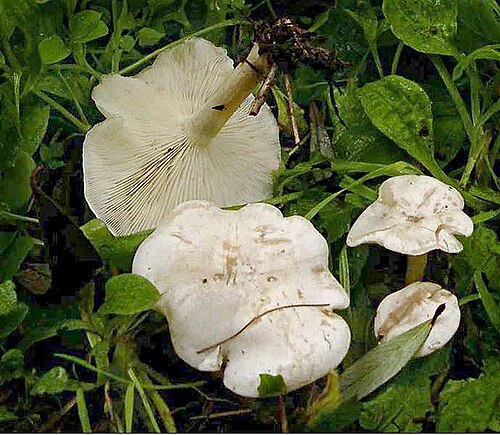
Toxic Look-Alike Archenzo / CC BY 3.0 · cc-by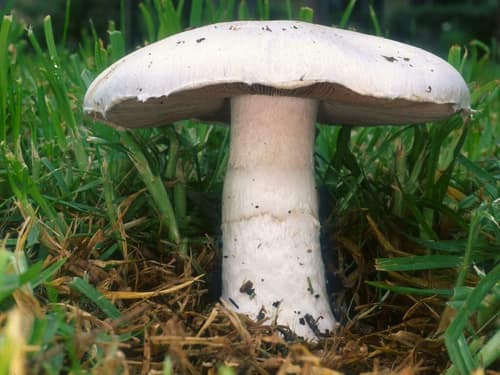
Frequent Companion (c) anonymous, some rights reserved (CC BY-SA) · cc-by-sa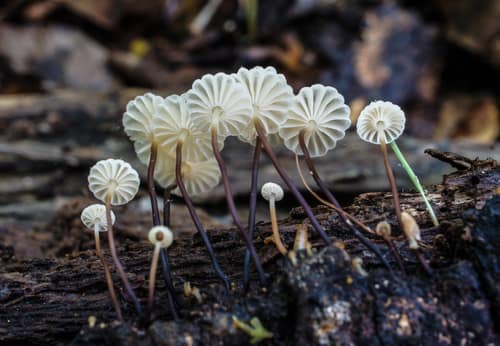
Close Relative (c) Bill Sheehan, some rights reserved (CC BY-SA), uploaded by Bill Sheehan · cc-by-sa
Help improve the field guideSomething wrong?
Checking your Fauna account…Report a name, category, or profile issue for review.