
Fungus
Stinking Dapperling
Lepiota cristataAlso known as Brown-eyed Parasol, Stinking Parasol
Stinking dapperlings sprout in disturbed soils, manicured lawns, and woodland borders throughout late summer and autumn. Their caps feature concentric reddish-brown scales that break apart over a pale background, radiating outward from an intact central disc. A pungent, foul odor resembling burnt rubber or coal gas immediately sets them apart from harmless woodland look-alikes.
FungusForestDecomposer


—observations
—countries
—peak records
Not EvaluatedConservation statusIUCN Red List categoriesLCNTVUENCREWEXNot Evaluated — not placed on the risk ladderRed List categories, explained →
Diet & preySaprotrophic (decomposes leaf litter and decaying plant organic matter)
Predators
- Fungus Gnat Larvae
- Slugs
- Springtails
ThreatsHabitat clearance, excessive lawn herbicide use, and soil contamination
HabitatsDeciduous and coniferous woods, parklands, gardens, and grassy paths
Life spanMycelium lives for years; individual fruit bodies last 4–8 days
Classification
- OrderAgaricales
- FamilyAgaricaceae
- GenusLepiota
- SpeciesLepiota cristata
Range data is not available yet.
Interaction riskHigh
- Low
- Moderate
- High
- Very high
- Why interaction risk is high
- Contains dangerous toxins and has toxic look-alikes; never eat wild fungi based on app identification alone.
- Why it is dangerous
- Contains poisonous peptides and gastrointestinal toxins that cause severe abdominal cramps, vomiting, and potential organ stress if swallowed.
- How to recognize a risky encounter
- Recognizable by small caps with concentric reddish-brown scales, free white gills, and a sharp burnt-rubber chemical odor.
- What to do
- Observe and photograph in place without ingesting or touching mouth or eyes after contact.
Responsible observation
- Scent Check: Gently waft the air around an intact cap to notice its distinctive burnt rubber aroma.
- Spore Print: Lay a mature cap gill-side down on dark paper overnight to reveal its white spore deposit.
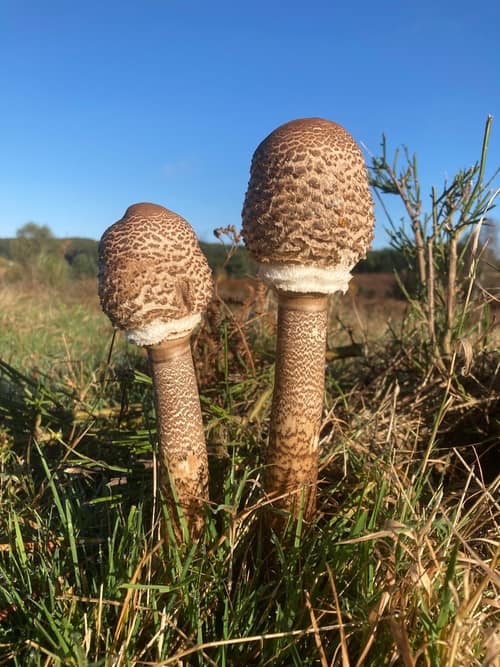
Look-alike (c) Lucian Clanet, some rights reserved (CC BY), uploaded by Lucian Clanet · cc-by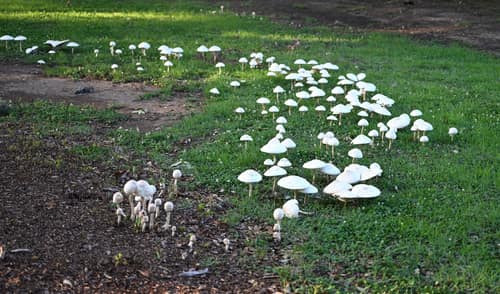
Ecological Cousin (c) Amber M. King, some rights reserved (CC BY), uploaded by Amber M. King · cc-by Image unavailable
Close Relative
Help improve the field guideSomething wrong?
Checking your Fauna account…Report a name, category, or profile issue for review.