
Fungus
Brick Cap
Hypholoma lateritiumAlso known as Chestnut Mushroom, Cinnamon Cap, Brick Top, Red Woodlover
Brick caps fruit in dense, overlapping clusters on decaying hardwood stumps and fallen logs across temperate forests, especially from late summer through autumn. Young caps display a rich brick-red to cinnamon center that fades to a paler buff margin, often fringed with faint veil remnants. As a saprotrophic decomposer, the underground mycelium breaks down tough lignin and cellulose, recycling nutrients back into forest soils while the gills mature from pale yellow-gray to a deep purplish-brown.
SaprotrophicClusteredWood-decaying
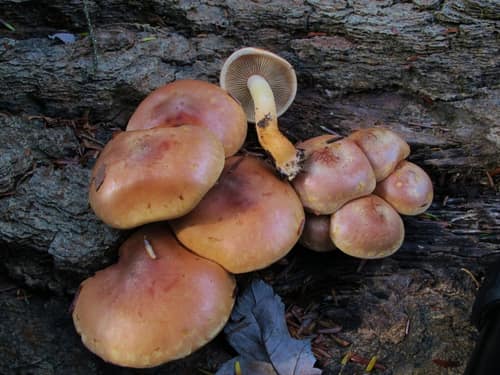
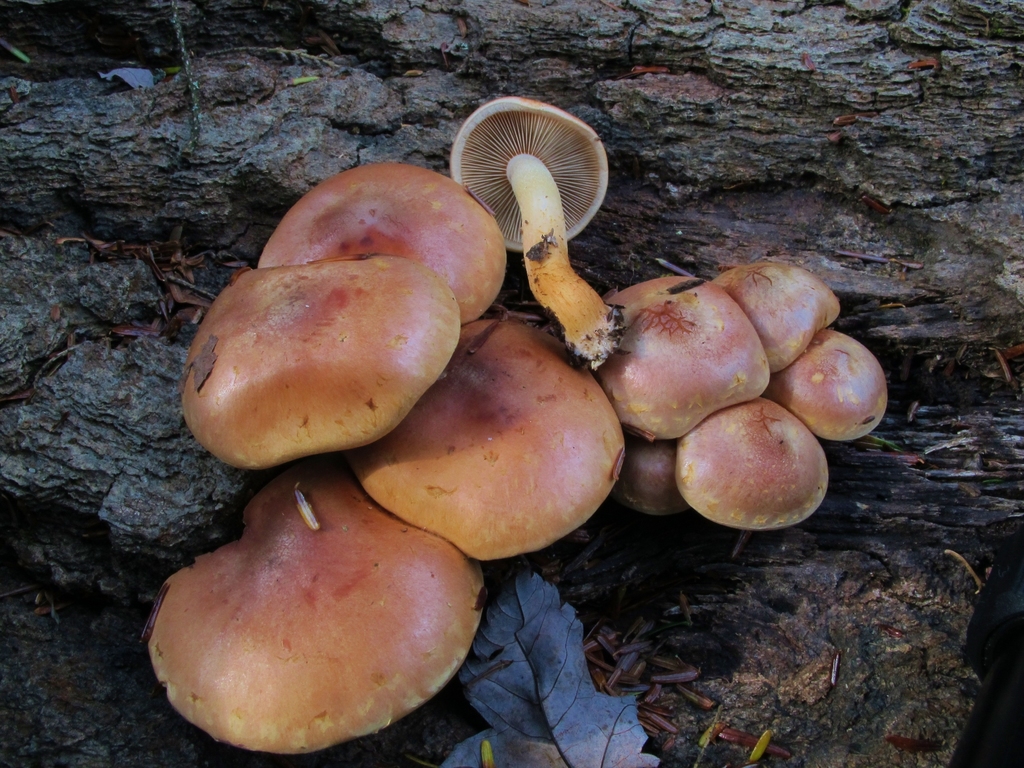
—observations
—countries
—peak records
Not EvaluatedConservation statusIUCN Red List categoriesLCNTVUENCREWEXNot Evaluated — not placed on the risk ladderRed List categories, explained →
Diet & preyDecaying hardwood, Lignin, Cellulose
Predators
- Slugs
- Fungus gnats
- Squirrels
ThreatsHabitat loss, removal of deadwood
HabitatsDeciduous woodlands, stumps, fallen logs
Life spanFruiting bodies last 1–2 weeks; mycelium perennial
Classification
- FamilyStrophariaceae
- SpeciesHypholoma lateritium
Range data is not available yet.
Interaction riskLow
- Low
- Moderate
- High
- Very high
- Why interaction risk is low
- Closely resembles the poisonous sulfur tuft; many wild mushrooms have toxic look-alikes, so never eat based on app identification alone.
Responsible observation
- Cluster Check: Look for dense tufts emerging directly from decaying hardwood stumps or buried roots.
- Spore Print: Place a cap gill-side down on white paper to reveal the dark purplish-brown print.
- Gill Color: Check mature specimens for smoky gray to purplish-brown gills rather than bright greenish-yellow.
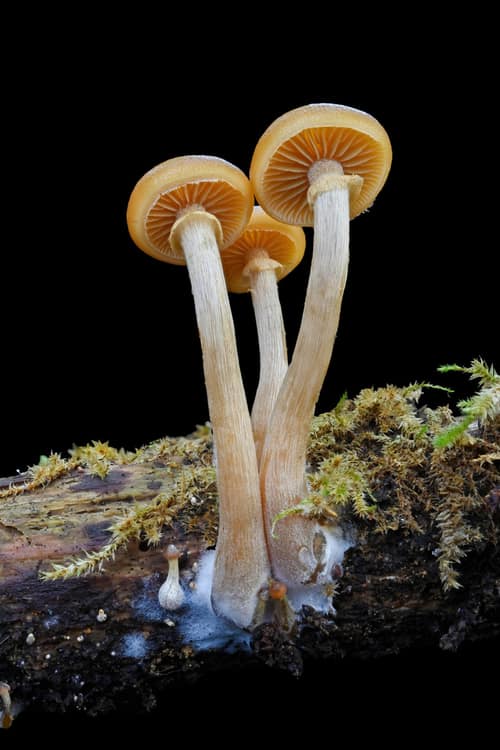
Look-alike (c) Alan Rockefeller, some rights reserved (CC BY), uploaded by Alan Rockefeller · cc-by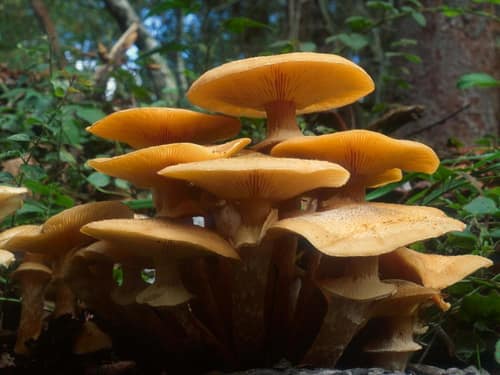
Competitor (c) Nathan Wilson, some rights reserved (CC BY-SA) · cc-by-sa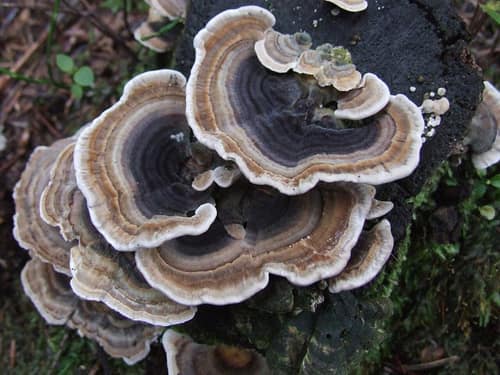
Neighbor Jerzy Opioła / CC BY-SA 3.0 · cc-by-sa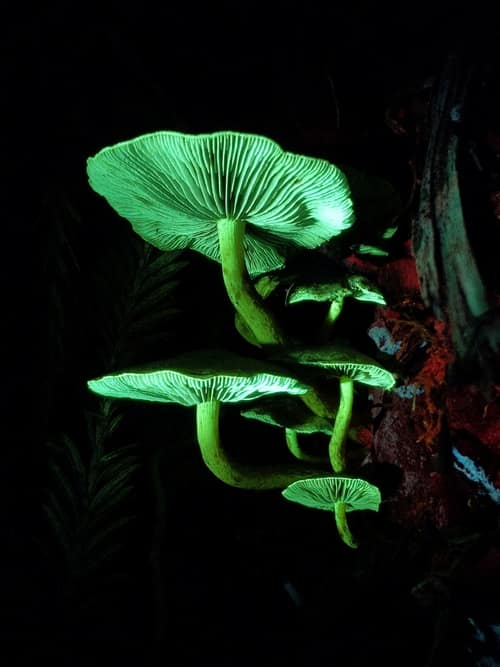
Close Relative (c) Alan Rockefeller, some rights reserved (CC BY), uploaded by Alan Rockefeller · cc-by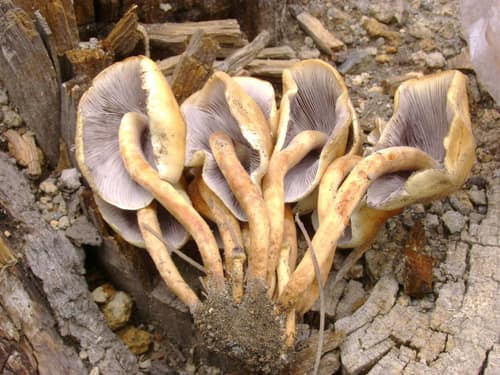
Close Relative (c) Alan Rockefeller, some rights reserved (CC BY), uploaded by Alan Rockefeller · cc-by
Help improve the field guideSomething wrong?
Checking your Fauna account…Report a name, category, or profile issue for review.