
Fungus
Aspen Oyster Mushroom
Pleurotus populinusAlso known as Poplar Oyster Mushroom, Spring Oyster Mushroom
Aspen oyster mushrooms grow in fan-shaped, overlapping clusters directly from the decaying wood of aspen and cottonwood trees across North America. Arriving in late spring and early summer, these saprotrophic fungi feature off-white to pale buff caps with soft, decurrent gills running down a minimal stem. Their primary ecological role is breaking down complex wood fibers, returning vital nutrients to forest soils.
Wood-DecayerSpring MushroomShelf Fungus
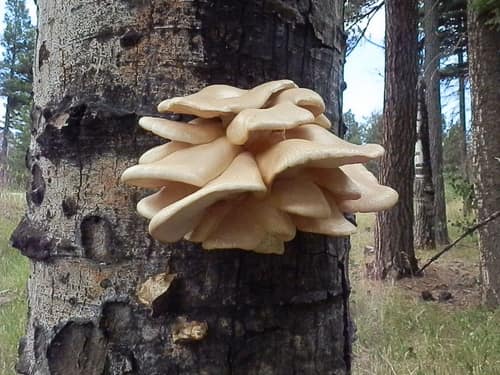
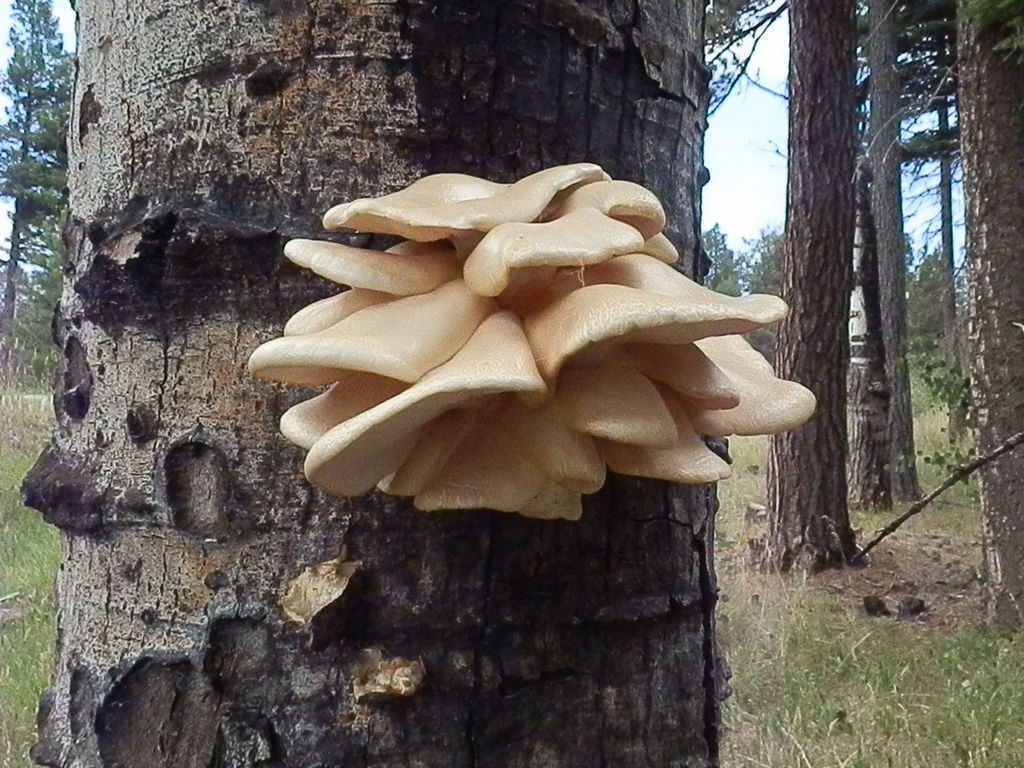
—observations
—countries
—peak records
Not EvaluatedConservation statusIUCN Red List categoriesLCNTVUENCREWEXNot Evaluated — not placed on the risk ladderRed List categories, explained →
Diet & preyDead hardwood lignin and cellulose
Predators
- Fungus gnats
- Slugs
- Pleasing fungus beetles
ThreatsHabitat loss, intensive forestry reducing standing dead timber
HabitatsAspen groves, cottonwood river bottoms, northern hardwood forests
Life spanPerennial mycelium; fruiting bodies last 1–2 weeks
Classification
- FamilyPleurotaceae
- SpeciesPleurotus populinus
Range data is not available yet.
Interaction riskLow
- Low
- Moderate
- High
- Very high
- Why interaction risk is low
- Many edible mushrooms have toxic look-alikes; never eat wild fungi based on app identification alone.
Responsible observation
- Check the host tree: Search specifically on dead or dying aspen and cottonwood trunks.
- Observe the timing: Look for fresh clusters in late spring and early summer following rain.
- Inspect the gills: Verify that white to cream gills run distinctly down the short, offset stem.
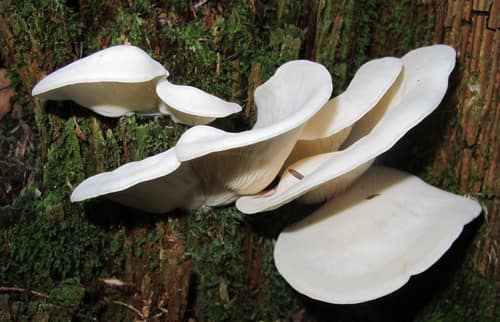
Look-Alike (c) mycowalt, some rights reserved (CC BY-SA), uploaded by mycowalt · cc-by-sa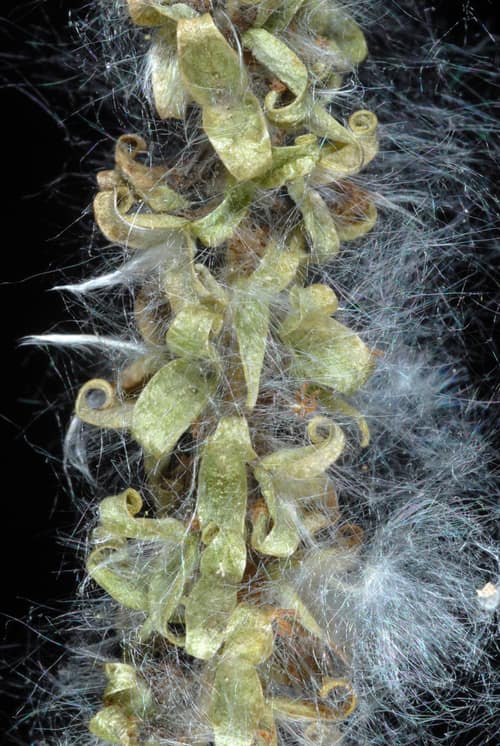
Host Plant (c) Douglas Goldman, some rights reserved (CC BY-SA), uploaded by Douglas Goldman · cc-by-sa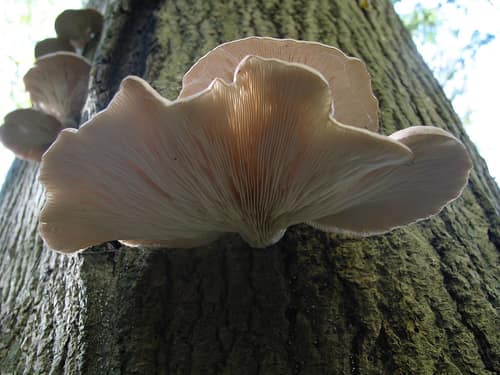
Close Relative voir ci-dessous / see below / CC BY 3.0 · cc-by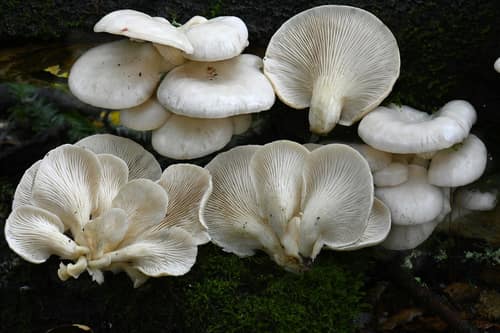
Close Relative (c) Alan Rockefeller, some rights reserved (CC BY), uploaded by Alan Rockefeller · cc-by
Help improve the field guideSomething wrong?
Checking your Fauna account…Report a name, category, or profile issue for review.