
Fungus · GBIF taxon 2526504
Golden Oyster Mushroom
Pleurotus citrinopileatusAlso known as Yellow Oyster Mushroom, Tamogitake
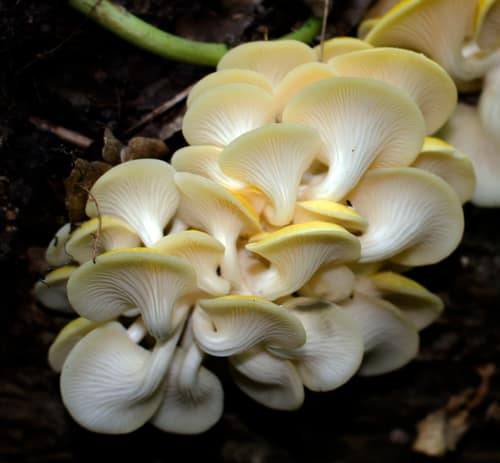
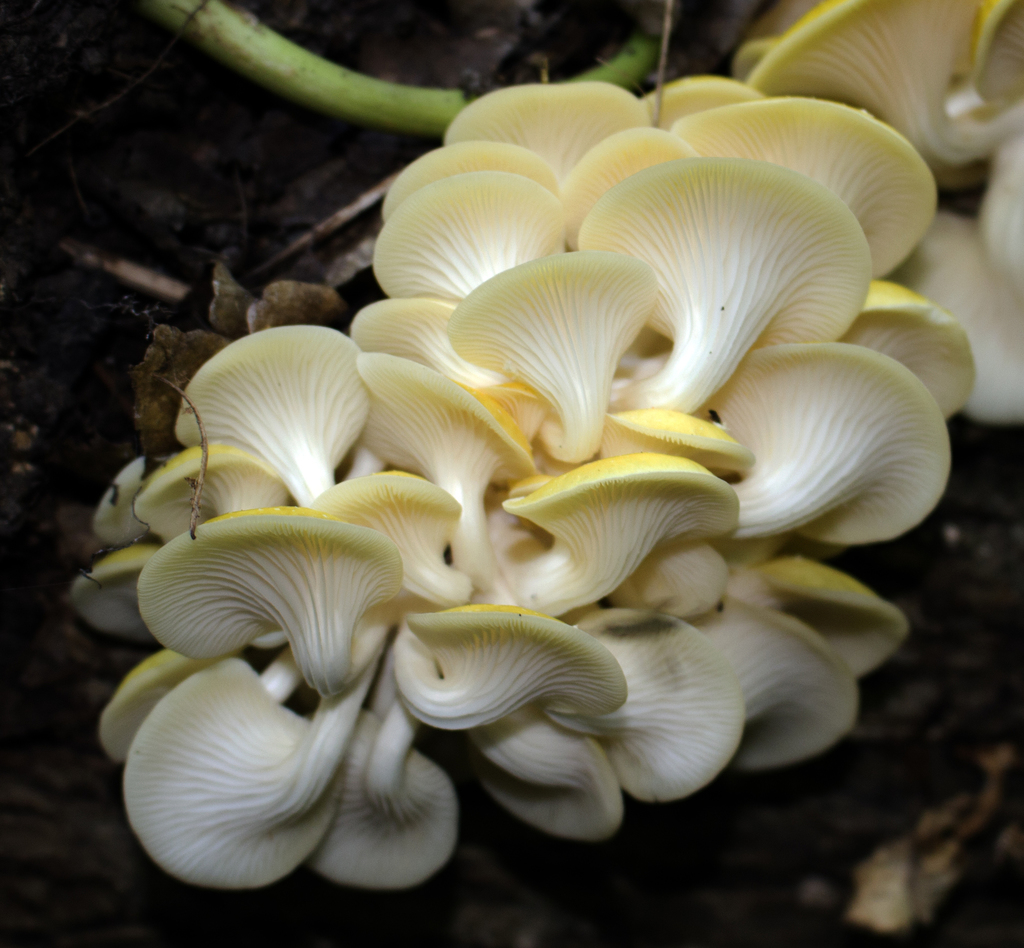
Golden oyster mushrooms form striking, dense clusters of bright yellow, funnel-shaped caps on decaying hardwood logs. Native to eastern Asia, this saprotrophic fungus breaks down lignin and cellulose, playing a vital role in forest nutrient cycling. It has expanded rapidly into non-native deciduous woods across North America, where abundant golden clusters frequently blanket fallen elm and ash trees throughout warm, humid months.
Bright YellowWood DecayerCluster Fungi
 1 / 7
1 / 7—observations
—countries
—peak records
Not EvaluatedConservation statusIUCN Red List categoriesLCNTVUENCREWEXNot Evaluated — not placed on the risk ladderRed List categories, explained →
Diet & prey
- Dead Hardwood
- Lignin
- Cellulose
Predators
- Fungus Beetles
- Fungus Gnat Larvae
- Slugs
ThreatsHabitat loss in native range, though globally expanding and resilient
HabitatsDeciduous forests, woodlands, and shaded urban parks on decaying trees
Life spanFruiting bodies last 3–7 days; underlying fungal mycelium lives indefinitely
Classification
- OrderAgaricales
- FamilyPleurotaceae
- GenusPleurotus
- SpeciesPleurotus citrinopileatus
Range data is not available yet.
Interaction riskLow
- Low
- Moderate
- High
- Very high
- Why interaction risk is low
- Many wild mushrooms have toxic look-alikes; never eat wild fungi based on app identification alone.
Responsible observation
- Look for Hardwood: Search standing dead trees or fallen logs of elm and ash during warm, humid weather.
- Inspect Cap Color: Note the vibrant golden-yellow cap color, which fades to pale cream as the mushroom ages.
- Observe the Gills: Look for bright white gills that run continuously down the length of the delicate stalk.
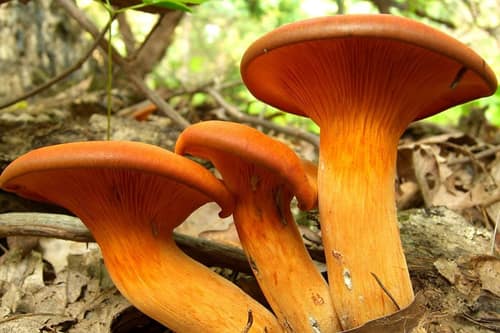
Toxic Look-alike (c) Jason Hollinger, some rights reserved (CC BY) · cc-by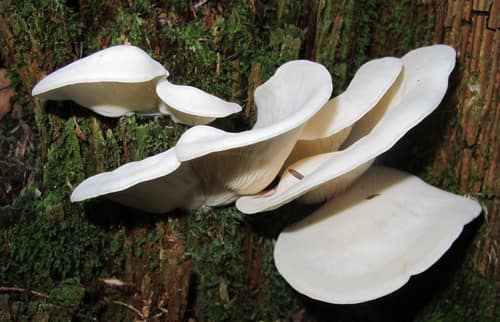
Look-alike (c) mycowalt, some rights reserved (CC BY-SA), uploaded by mycowalt · cc-by-sa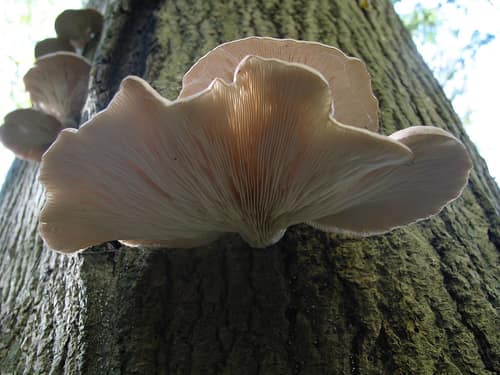
Close Relative voir ci-dessous / see below / CC BY 3.0 · cc-by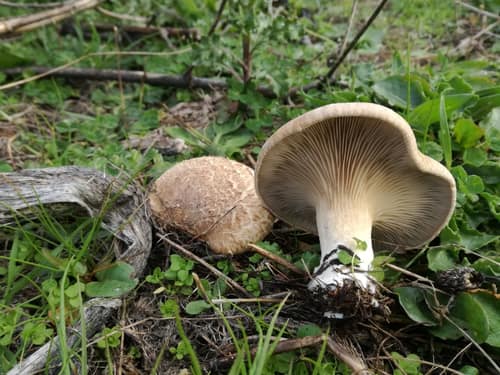
Close Relative (c) Davide Puddu, some rights reserved (CC BY), uploaded by Davide Puddu · cc-by
Help improve the field guideSomething wrong?
Checking your Fauna account…Report a name, category, or profile issue for review.