
Fungus · GBIF taxon 2520036
Oak Bracket
Pseudoinonotus dryadeusAlso known as Weeping Oak Bracket, Warted Oak Bracket, Weeping Polypore
Oak brackets develop as massive, thick, shelf-like cushions around the base and root flares of aging oak trees. Young fruiting bodies exude striking amber droplets across their velvety buff surface, earning them the nickname weeping oak bracket. Over time, these shelf fungi darken to a charcoal brown and cause a white root rot that gradually compromises the host tree's stability.
Bracket FungusParasiticWood-Decaying
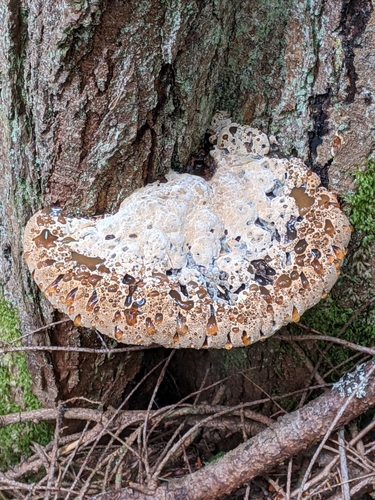
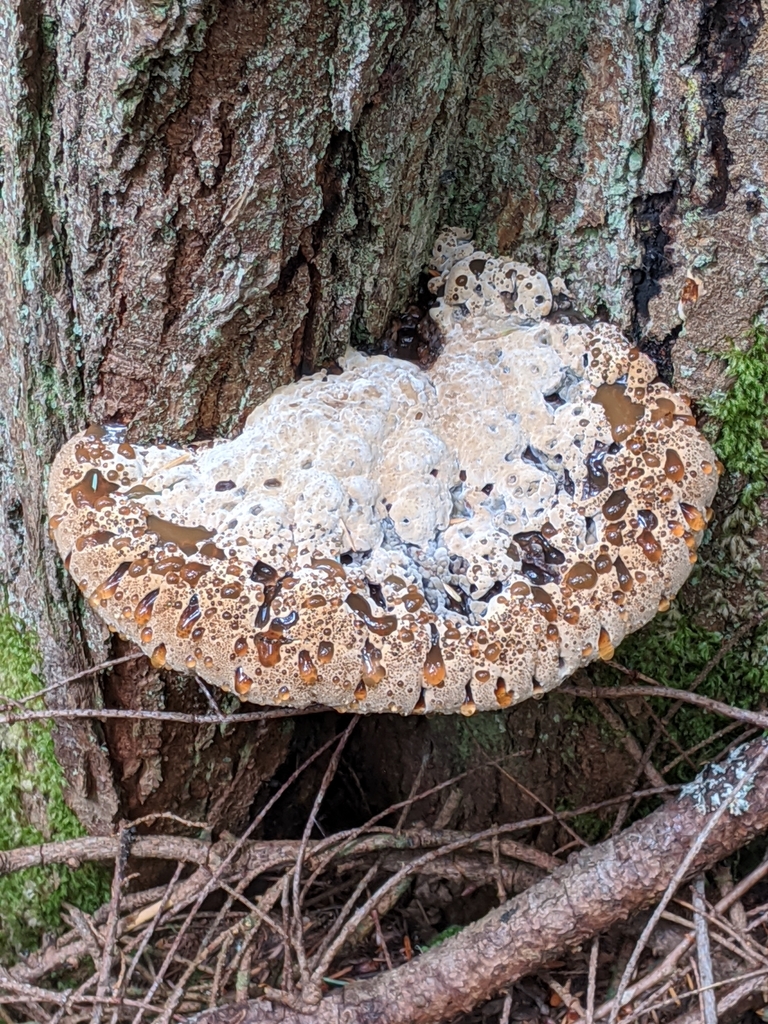
—observations
—countries
—peak records
Not EvaluatedConservation statusIUCN Red List categoriesLCNTVUENCREWEXNot Evaluated — not placed on the risk ladderRed List categories, explained →
Diet & prey
- Oak wood cellulose
- Lignin
Predators
- Fungus beetles
- Fungus gnat larvae
- Slugs
ThreatsLoss of ancient oak trees and management removal of decaying timber
HabitatsDeciduous woodlands, parks, and ancient oak forests
Life spanPerennial fruiting bodies surviving multiple years
Size / weightNot available
Classification
- FamilyHymenochaetaceae
- SpeciesPseudoinonotus dryadeus
Range data is not available yet.
Interaction riskLow
- Low
- Moderate
- High
- Very high
- Why interaction risk is low
- Many wild fungi have toxic look-alikes; never eat wild mushrooms based on app identification alone.
Responsible observation
- Observe exudate droplets: Look for fresh growth in late summer to catch amber liquids oozing from pores.
- Check tree health: Note bracket locations near root flares, which indicate internal root decay.
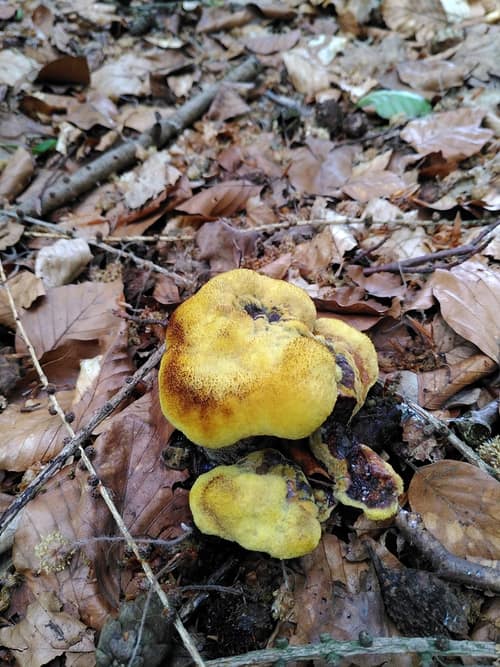
Similar Decayer (c) Lorenz Wenner, some rights reserved (CC BY) · cc-by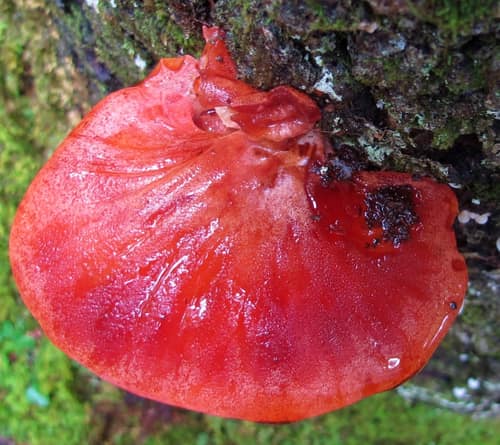
Co-Occurring Decayer (c) mycowalt, some rights reserved (CC BY-SA), uploaded by mycowalt · cc-by-sa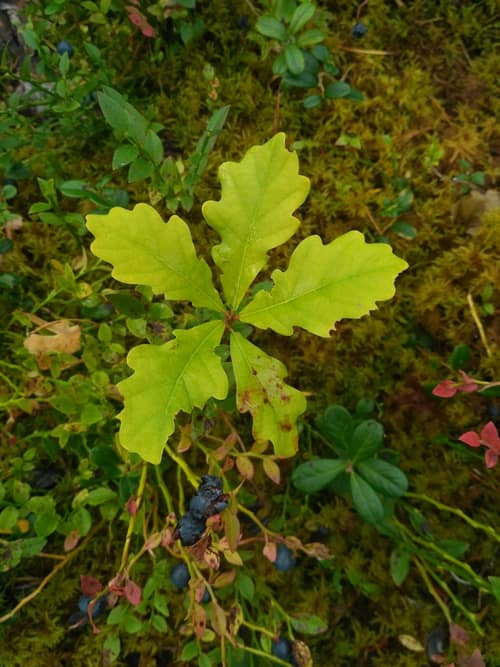
Host Plant (c) Natalya Ivanova, some rights reserved (CC BY) · cc-by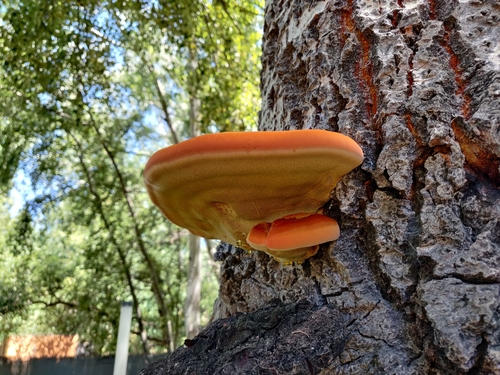
Close Relative (c) Davide Puddu, some rights reserved (CC BY), uploaded by Davide Puddu · cc-by
Help improve the field guideSomething wrong?
Checking your Fauna account…Report a name, category, or profile issue for review.