
Plant
English Oak
Quercus roburAlso known as Pedunculate Oak, European Oak, Common Oak, French Oak
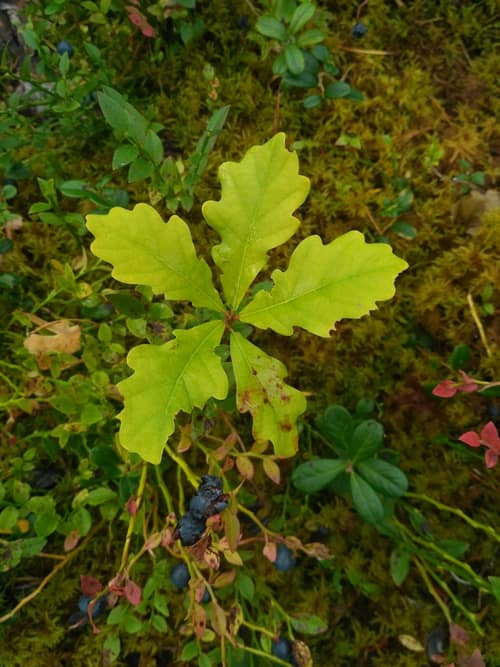
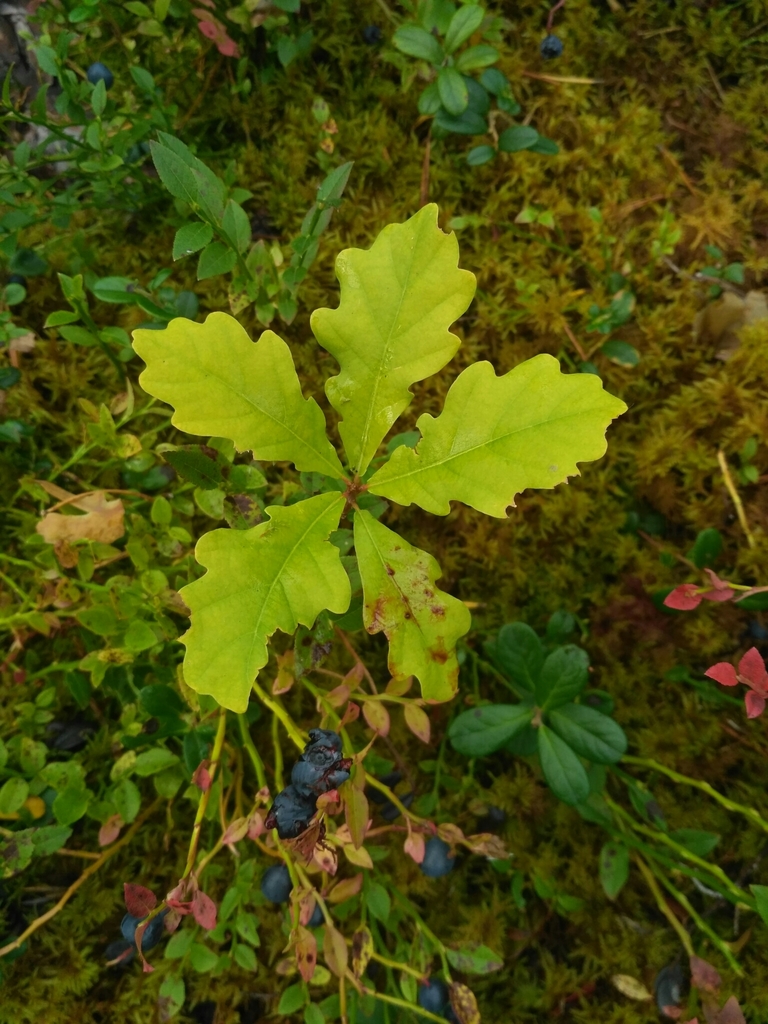
English oaks structure entire woodland ecosystems, supporting thousands of insect, fungal, and bird species over life spans exceeding eight centuries. Broad leaves feature distinctive ear-like lobes at their base, while acorns dangle from long, delicate stalks known as peduncles. As veteran trees age, their hollowing trunks create critical shelter for cavity-nesting birds, bats, and rare beetles.
DeciduousHardwoodKeystone Species
—observations
—countries
—peak records
Least ConcernConservation statusIUCN Red List categoriesLCNTVUENCREWEXLeast ConcernRed List categories, explained →
Diet & preyPhotosynthetic
Predators
- Eurasian Jay
- Grey Squirrel
- Oak Processionary Moth
ThreatsAcute Oak Decline, Oak Processionary Moth, Habitat Fragmentation
HabitatsLowland Forests, Woodlands, Meadows, River Valleys
Life span500–1000+ years
Classification
- OrderFagales
- FamilyFagaceae
- GenusQuercus
- SpeciesQuercus robur
Range data is not available yet.
Interaction riskHigh
- Low
- Moderate
- High
- Very high
- Why interaction risk is high
- Safe to observe at a normal distance.
Responsible observation
- Leaf Inspection: Look for leaves with short petioles and distinct ear-like lobes near the base.
- Acorn Stalks: Check whether acorns grow on long stems, which separates this tree from sessile oak.
- Canopy Watching: Scan the high branches in autumn to spot jays harvesting acorns for winter storage.
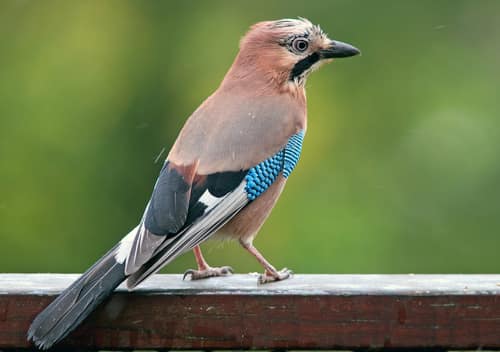
Seed Disperser (c) Luc Viatour, some rights reserved (CC BY-SA) · cc-by-sa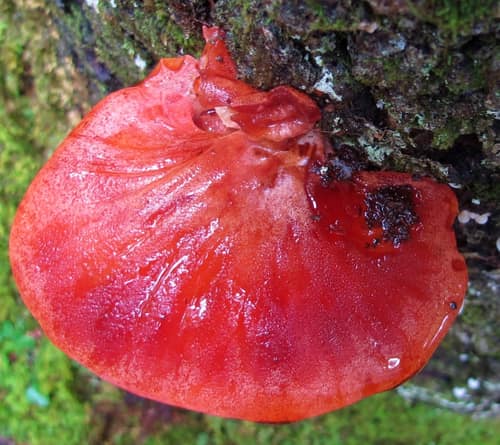
Fungal Associate (c) mycowalt, some rights reserved (CC BY-SA), uploaded by mycowalt · cc-by-sa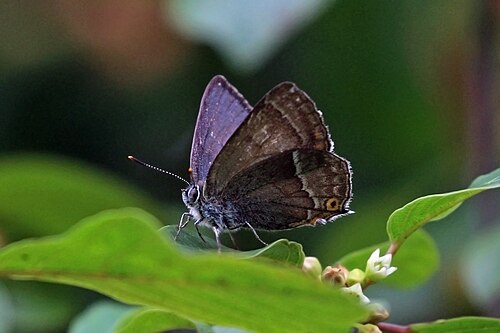
Host Insect Charles J. Sharp / CC BY-SA 4.0 · cc-by-sa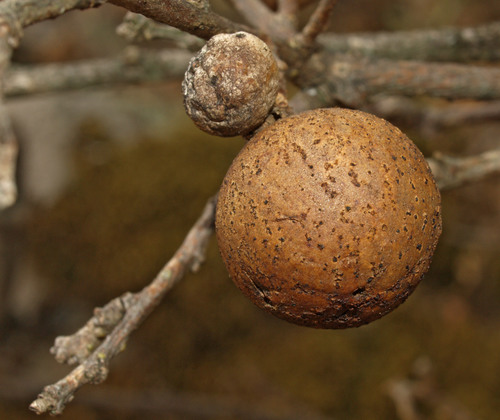
Parasite (c) Luis Fernández García, some rights reserved (CC BY-SA) · cc-by-sa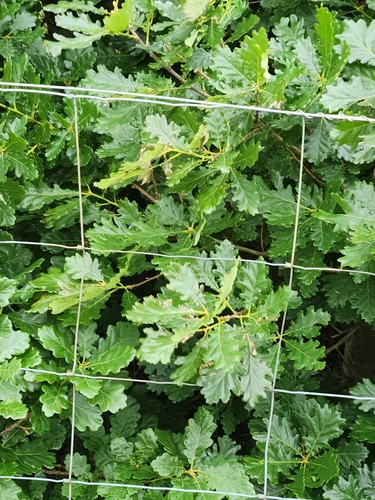
Close Relative (c) Jo Roberts, some rights reserved (CC BY) · cc-by
Keep collecting in Fauna
Found in Collections
Ecosystem chain
The Forest Floor
English Oak is found in this collection. Identify it in Fauna to fill this slot and continue your progress.
—/12
Help improve the field guideSomething wrong?
Checking your Fauna account…Report a name, category, or profile issue for review.