
Fungus
Shaggy Bracket
Inonotus hispidusAlso known as Shaggy Polypore, Velvety Polypore
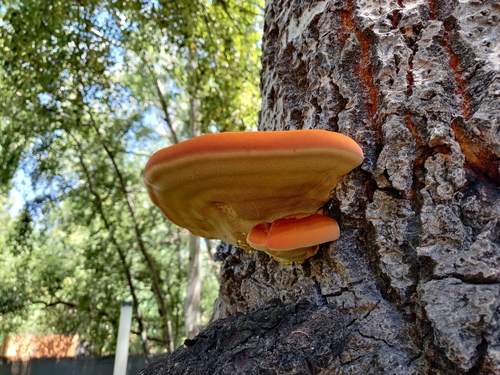
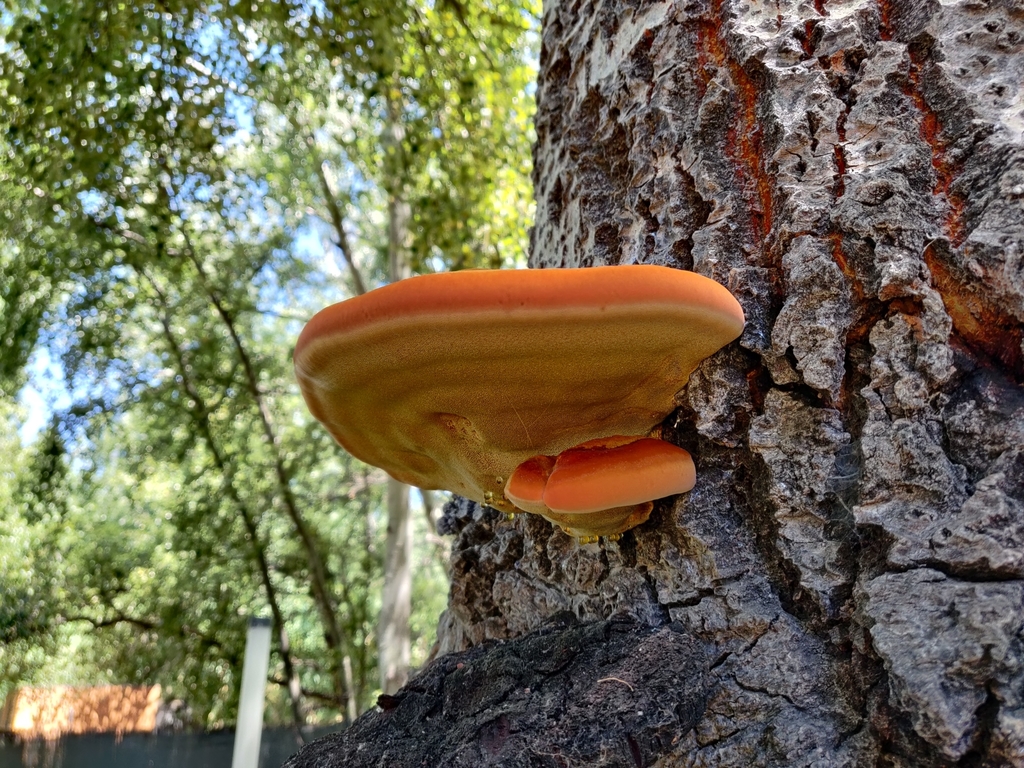
Shaggy Bracket sprouts directly from the trunks of broadleaf trees as a dense, velvety bracket that bleeds amber droplets from its pores when young. Over late summer and autumn, the soft upper surface darkens from rich rust to a brittle, charcoal-black mass that crumbles during winter. This fungus causes a white rot that structurally weakens host trees like ash, apple, and oak, often leading to branch drop.
FungusTree ParasiteBracket Fungus
—observations
—countries
—peak records
Not EvaluatedConservation statusIUCN Red List categoriesLCNTVUENCREWEXNot Evaluated — not placed on the risk ladderRed List categories, explained →
Diet & preyAsh Trees, Apple Trees, Oak Trees
Predators
- Fungus Beetles
- Fungus Gnats
ThreatsRemoval of host trees and orchard sanitation practices
HabitatsHardwood forests, orchards, parks, and roadside trees
Life spanAnnual fruiting body; mycelium lives for years inside host
Classification
- OrderHymenochaetales
- FamilyHymenochaetaceae
- GenusInonotus
- SpeciesInonotus hispidus
Range data is not available yet.
Interaction riskLow
- Low
- Moderate
- High
- Very high
- Why interaction risk is low
- Many wild fungi have dangerous look-alikes; never eat wild mushrooms based on app identification alone.
Responsible observation
- Observing Exudate: Look for golden droplets weeping from young caps in midsummer.
- Host Identification: Check living ash, apple, or oak trees where major branches join the trunk.
- Seasonal Timing: Search from summer to early autumn before caps turn black and decay.
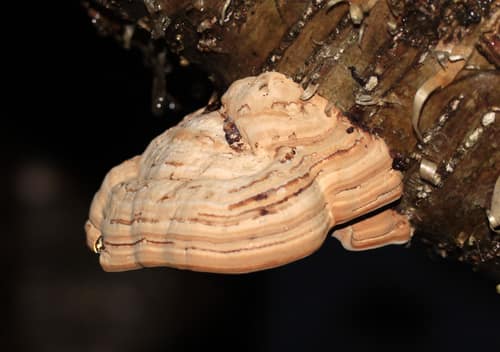
Bracket Fungi (c) Jamie Griffiths, some rights reserved (CC BY), uploaded by Jamie Griffiths · cc-by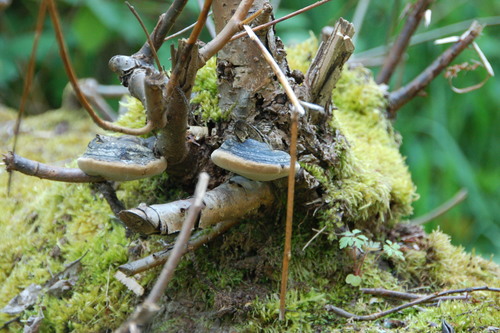
Ecological Neighbor (c) Gunnar Bonk, some rights reserved (CC BY-SA) · cc-by-sa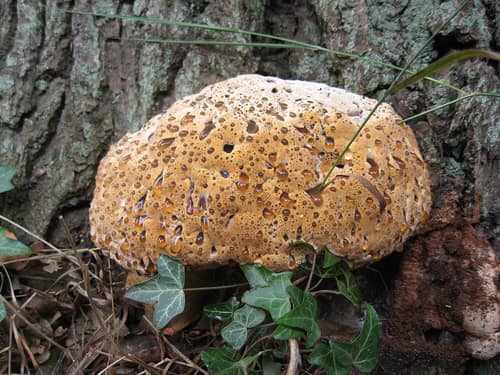
Close Relative Brammers / Public domain · cc0
Help improve the field guideSomething wrong?
Checking your Fauna account…Report a name, category, or profile issue for review.