
Bird
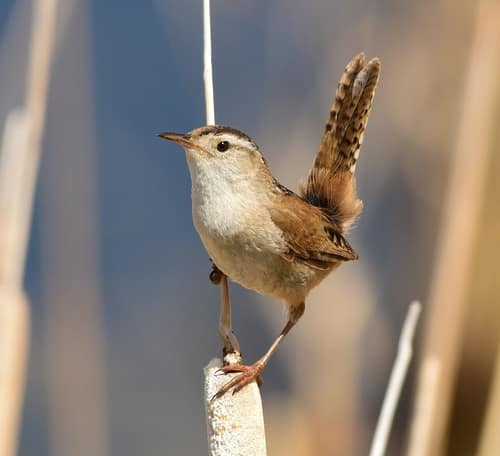
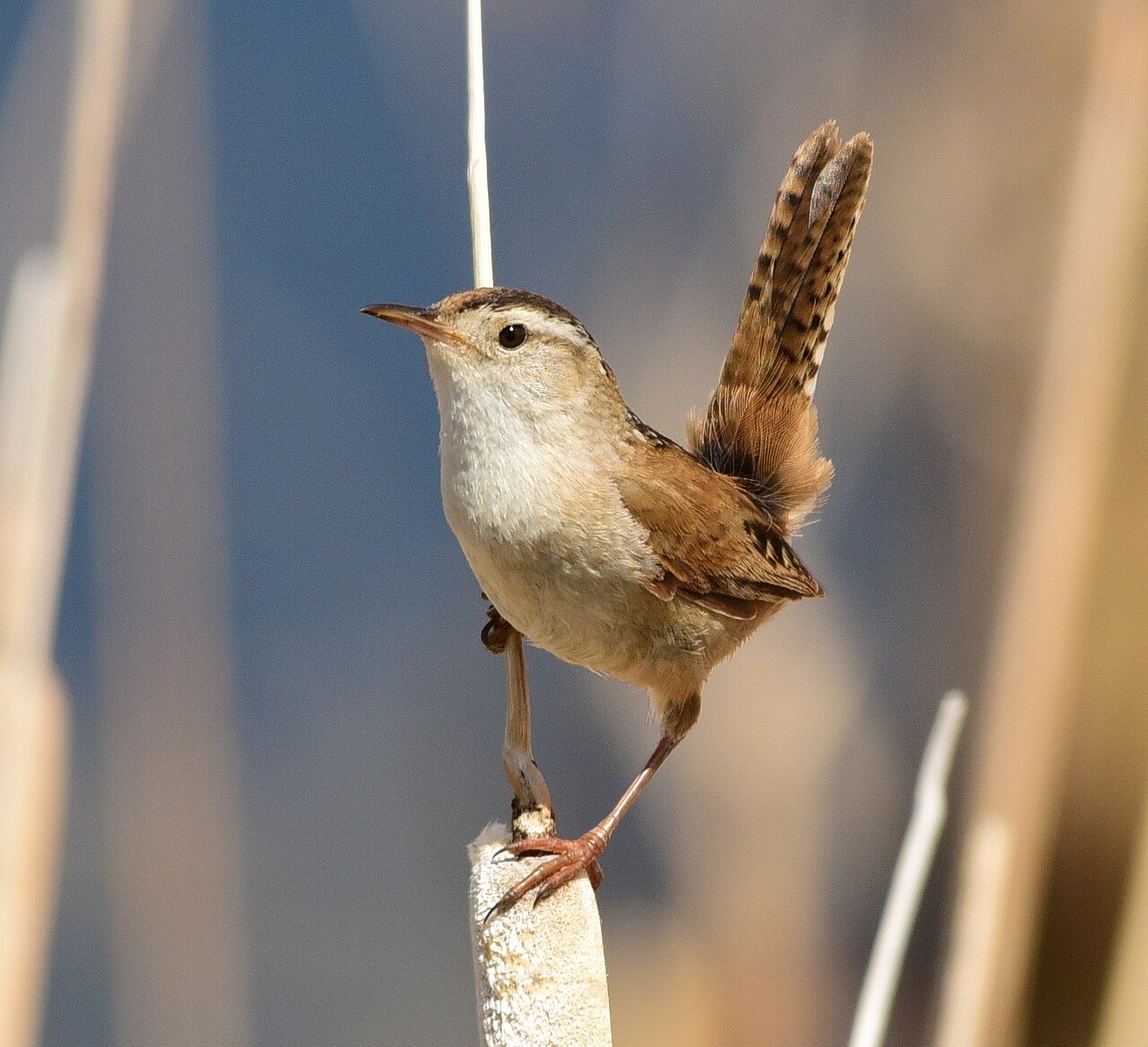
Marsh Wren
Cistothorus palustrisAlso known as Long-billed Marsh Wren
Marsh wrens are energetic, reedy songbirds that spend their lives darting among tall cattails and bulrushes in wetlands across North America. Males construct multiple dummy nests across their territories to attract females and confuse potential predators. Their loud, buzzy, gurgling song often reveals their presence long before they are seen clinging acrobatically between two adjacent plant stems.
SongbirdWetlandMigratory
—observations
—countries
—peak records
Least ConcernConservation statusIUCN Red List categoriesLCNTVUENCREWEXLeast ConcernRed List categories, explained →
Diet & preyInsects, Spiders, Snails
Predators
- Snakes
- Harriers
- Minks
ThreatsWetland degradation, habitat loss, and invasive marsh plants
HabitatsFreshwater and saltwater marshes, cattail beds, reedy wetland edges
Life span2–6 years
Classification
- FamilyTroglodytidae
- SpeciesCistothorus palustris
Range data is not available yet.
Interaction riskLow
- Low
- Moderate
- High
- Very high
- Why interaction risk is low
- Safe to observe at a normal distance.
Responsible observation
- Listen for Songs: Scan the tops of cattails early in the morning when territorial males sing loudly.
- Use Boardwalks: Stay on marked marsh trails to avoid trampling delicate emergent vegetation and hidden nests.
- Look Low: Watch dense reed bases where these active foragers glean tiny insects from water-stem surfaces.
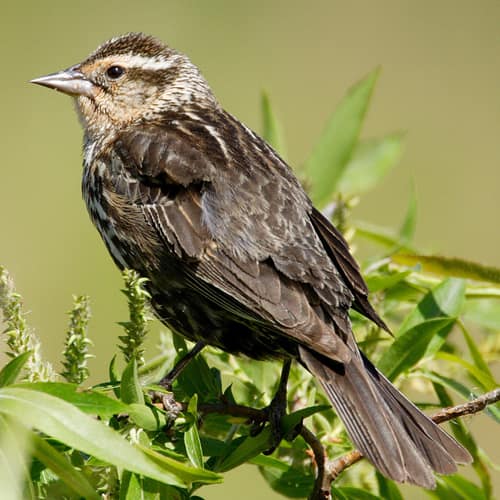
Competitor (c) anonymous, some rights reserved (CC BY-SA) · cc-by-sa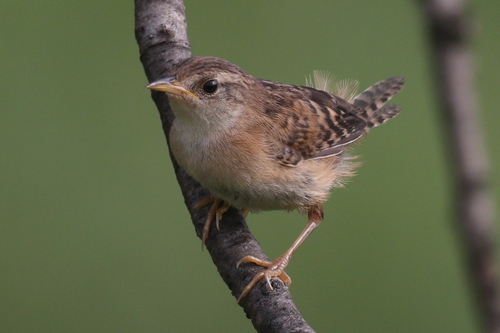
Close Relative (c) Jan Ebr & Ivana Ebrová, some rights reserved (CC BY), uploaded by Jan Ebr & Ivana Ebrová · cc-by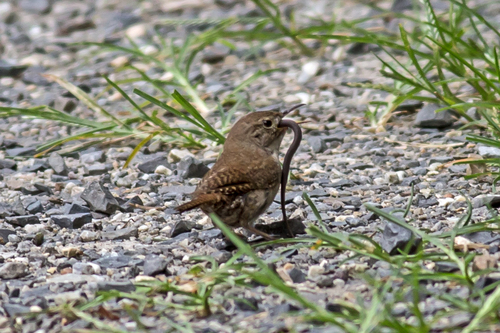
Family Relative (c) Bill Keim, some rights reserved (CC BY) · cc-by
Help improve the field guideSomething wrong?
Checking your Fauna account…Report a name, category, or profile issue for review.