
Bird
Red-winged Blackbird
Agelaius phoeniceusAlso known as Red-wing, Swamp Blackbird
Red-winged blackbirds populate marshes, meadows, and roadside ditches across North America, where glossy black males flash fiery red shoulder patches to establish territory. Females feature streaked brown camouflage, perfectly suited for incubating eggs inside woven cup nests hidden among cattails. Their musical konk-la-ree song signals the arrival of spring as territorial males perch atop prominent reeds.
MigratoryVocalDimorphic
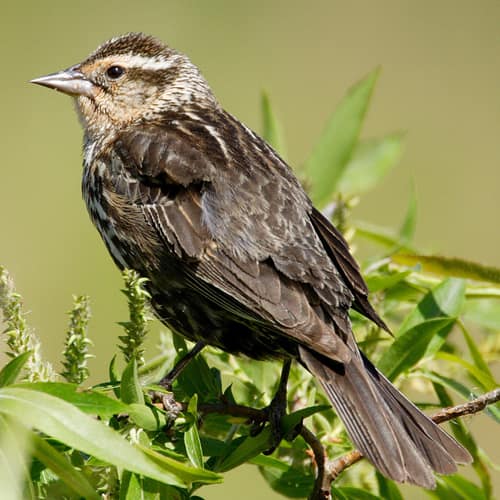

—observations
—countries
—peak records
Least ConcernConservation statusIUCN Red List categoriesLCNTVUENCREWEXLeast ConcernRed List categories, explained →
Diet & preyInsects, Seeds, Grains
Predators
- Hawks
- Owls
- Snakes
ThreatsHabitat loss, agricultural pesticide exposure, roost control programs
HabitatsFreshwater marshes, meadows, agricultural fields, roadside ditches
Life span2–5 years in the wild
Classification
- OrderPasseriformes
- FamilyIcteridae
- GenusAgelaius
- SpeciesAgelaius phoeniceus
Range data is not available yet.
Interaction riskLow
- Low
- Moderate
- High
- Very high
- Why interaction risk is low
- Safe to observe at a normal distance, though males aggressively defend nesting territories.
Responsible observation
- Listening for Calls: Listen for the loud, iconic konk-la-ree song performed from exposed marsh reeds and fence wires.
- Breeding Etiquette: Give nesting wetlands a wide berth in spring, as males actively dive-bomb intruders that venture too close.
- Winter Watching: Look for vast, swirling mixed-species flocks in open agricultural fields during autumn migration.

Competitor Blalonde / CC BY-SA 4.0 · cc-by-sa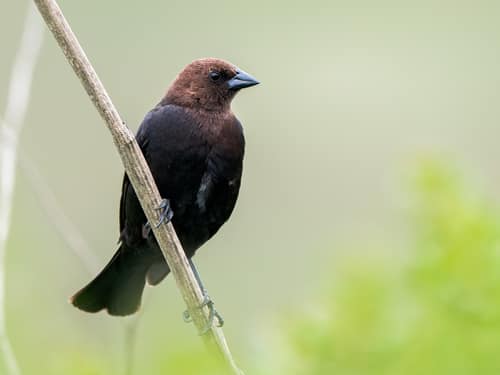
Nest Parasite (c) cello caruso-turiello, some rights reserved (CC BY), uploaded by cello caruso-turiello · cc-by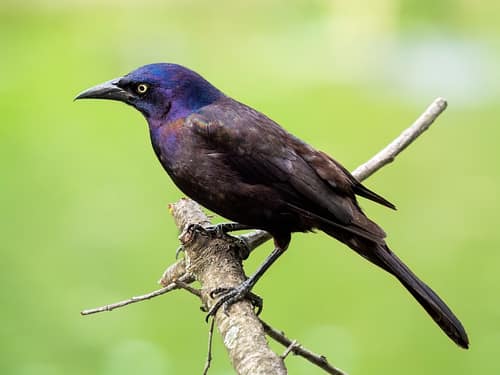
Flock Companion Rhododendrites / CC BY-SA 4.0 · cc-by-sa
Close Relative (c) Don Loarie, some rights reserved (CC BY), uploaded by Don Loarie · cc-by
Help improve the field guideSomething wrong?
Checking your Fauna account…Report a name, category, or profile issue for review.