
Bird · GBIF taxon 5231459
Northern House Wren
Troglodytes aedonAlso known as House Wren, Common House Wren
Renowned for its energetic, cascading song, the northern house wren fills backyards and shrubby thickets with continuous melody throughout the breeding season. Males fiercely defend territories by stuffing every available nest box or tree cavity with sticks, leaving females to select the best option and line it with feathers. These hyperactive foragers zip through dense low foliage to snatch up spiders, caterpillars, and beetles.
SongbirdMigratoryInsectivore
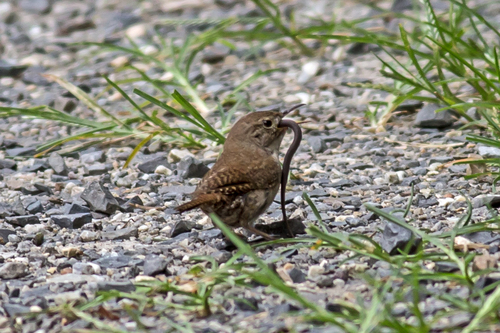
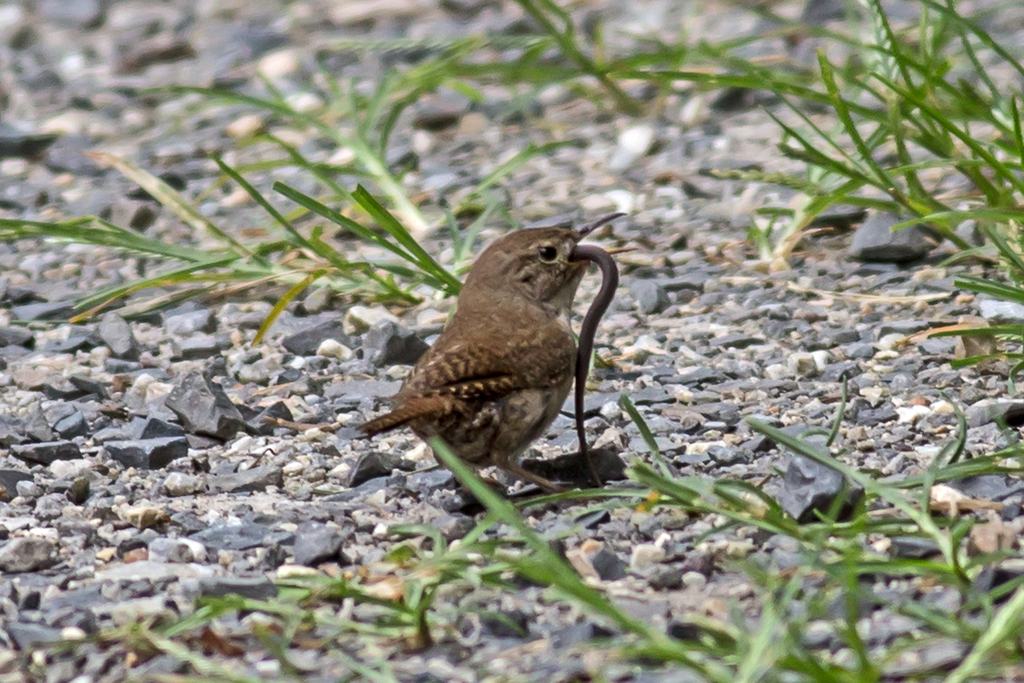
—observations
—countries
—peak records
Least ConcernConservation statusIUCN Red List categoriesLCNTVUENCREWEXLeast ConcernRed List categories, explained →
Diet & prey
- Spiders
- Caterpillars
- Beetles
Predators
- Domestic Cats
- Rat Snakes
- Cooper's Hawks
ThreatsNest site competition, feral cat predation, and habitat loss
HabitatsSuburbs, gardens, open woodlands, and brushy edges
Life span6–9 years
Classification
- OrderPasseriformes
- FamilyTroglodytidae
- GenusTroglodytes
- SpeciesTroglodytes aedon
Range data is not available yet.
Interaction riskLow
- Low
- Moderate
- High
- Very high
- Why interaction risk is low
- Safe to observe at a normal distance.
Responsible observation
- Nest Boxes: Mount nest boxes with 1.125-inch entrance holes to keep out larger competitors.
- Brush Piles: Leave low brush or stick piles to provide natural foraging habitat and shelter.
- Quiet Distance: Observe nest entrances from afar to avoid disturbing actively feeding parents.
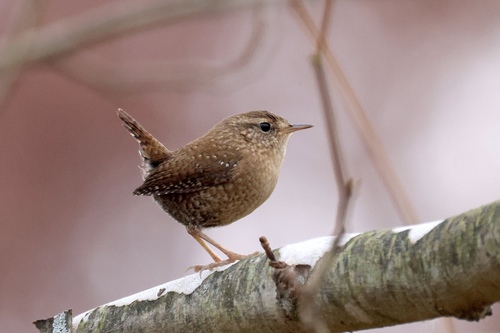
Genus Member no rights reserved, uploaded by Andy Wilson · cc0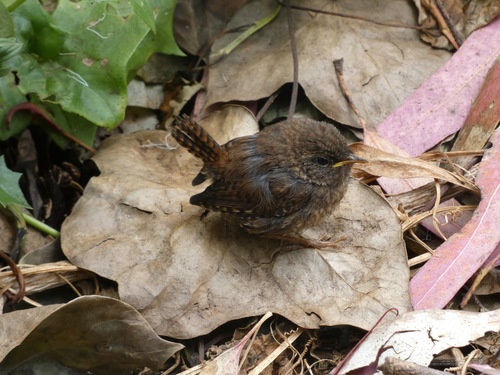
Genus Member (c) Jon Robson, some rights reserved (CC BY-SA) · cc-by-sa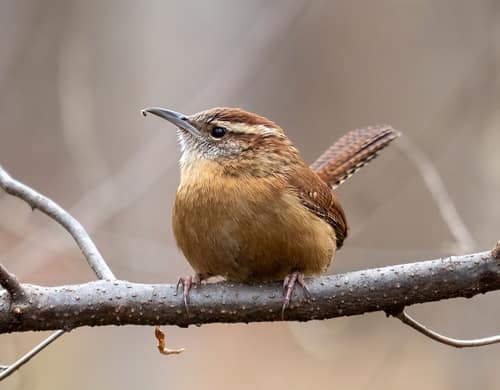
Close Relative Rhododendrites / CC BY-SA 4.0 · cc-by-sa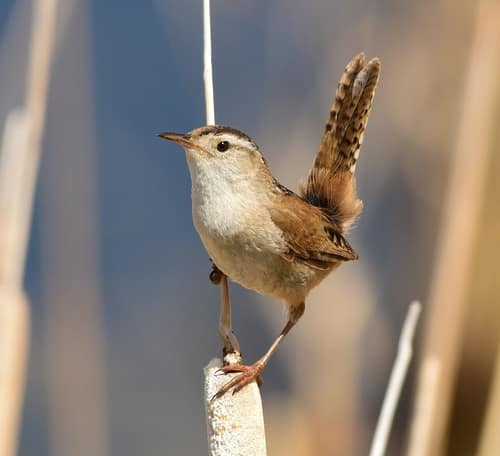
Family Member USFWS Mountain Prairie / Public domain · cc0
Help improve the field guideSomething wrong?
Checking your Fauna account…Report a name, category, or profile issue for review.