
Bird
Vermilion Cardinal
Cardinalis phoeniceusAlso known as Venezuelan Cardinal, Colombian Vermilion Cardinal
Vermilion cardinals inhabit the dry, sun-baked scrublands and cactus deserts of northern South America, where their fiery plumage creates a striking contrast against arid foliage. Males display an extraordinarily long, spiky crest that sweeps upward from the crown, complemented by a thick, pale bill adapted for crushing tough seeds. Pairs defend territories year-round, singing loud, whistling duets from high cactus perches in the early morning.
Desert DwellerSongbirdVibrant
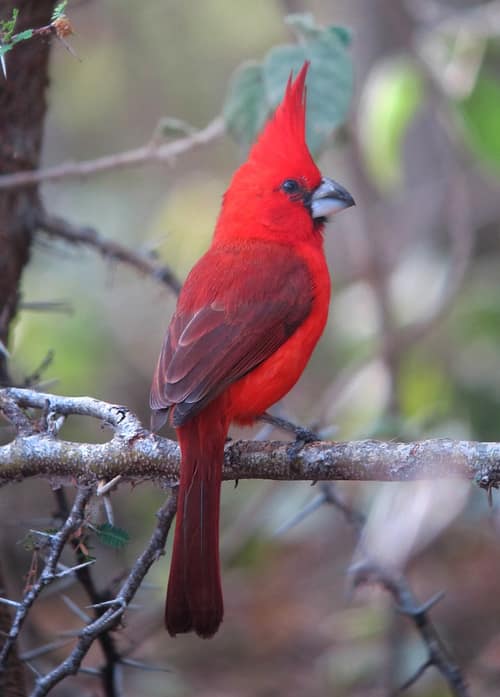
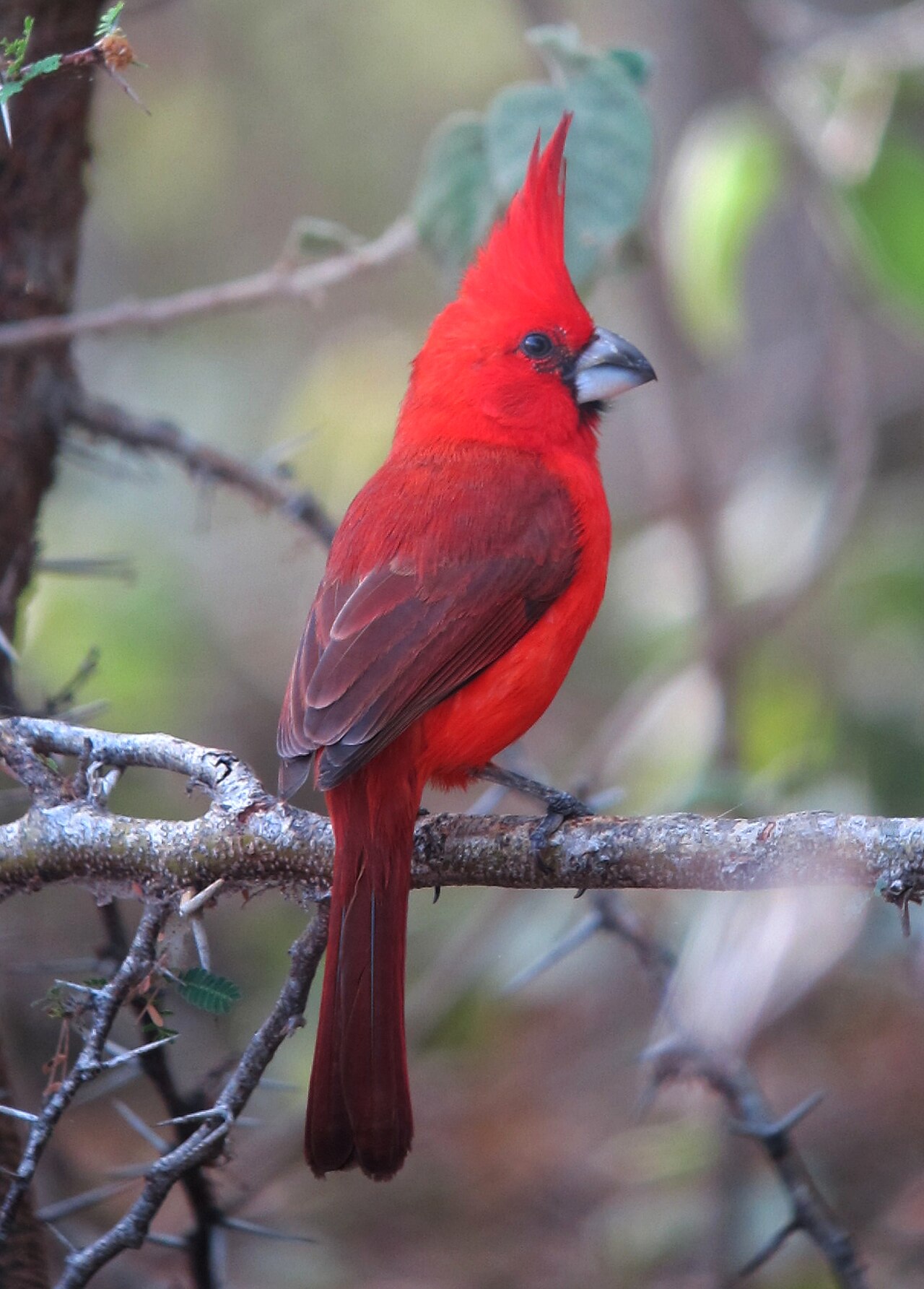
—observations
—countries
—peak records
Least ConcernConservation statusIUCN Red List categoriesLCNTVUENCREWEXLeast ConcernRed List categories, explained →
Diet & preyCactus seeds, Beetles, Small berries
Predators
- Raptors
- Snakes
- Feral cats
ThreatsHabitat clearance and trapping for the cage-bird trade
HabitatsArid scrubland, thorny bushlands, and cactus thickets
Life span5–8 years in the wild
Classification
- FamilyCardinalidae
- SpeciesCardinalis phoeniceus
Range data is not available yet.
Interaction riskLow
- Low
- Moderate
- High
- Very high
- Why interaction risk is low
- Safe to observe at a normal distance.
Responsible observation
- Listen for Songs: Search for males perched atop tall cacti delivering loud, melodious whistles at dawn.
- Scan Arid Scrub: Look through dense, thorny thickets where they frequently forage for seeds and fruits.
- Keep Distance: Observe through binoculars to avoid flushing brooding birds from delicate nests.
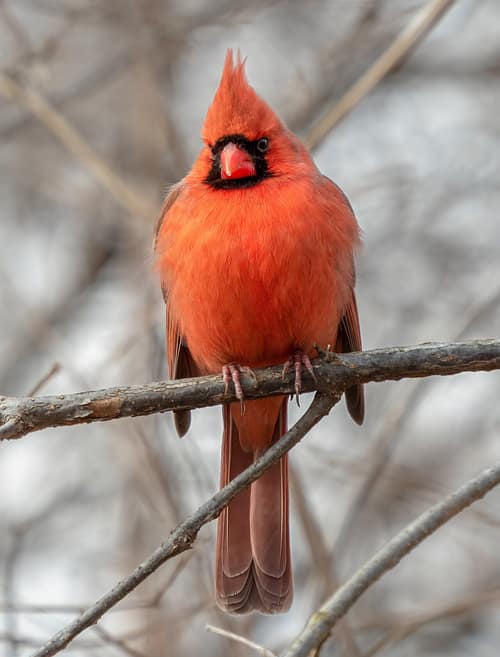
Close Relative Rhododendrites / CC BY-SA 4.0 · cc-by-sa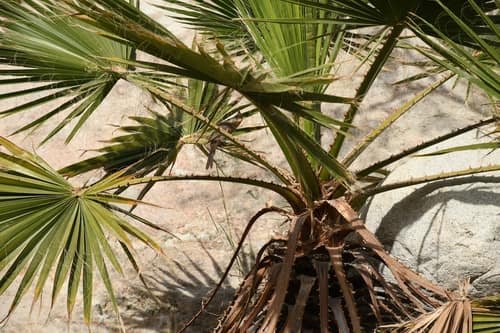
Close Relative (c) Diana Fuentes, some rights reserved (CC BY-SA) · cc-by-sa
Help improve the field guideSomething wrong?
Checking your Fauna account…Report a name, category, or profile issue for review.