
Bird
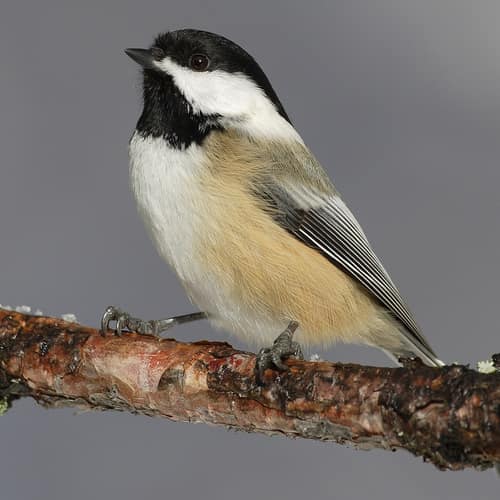
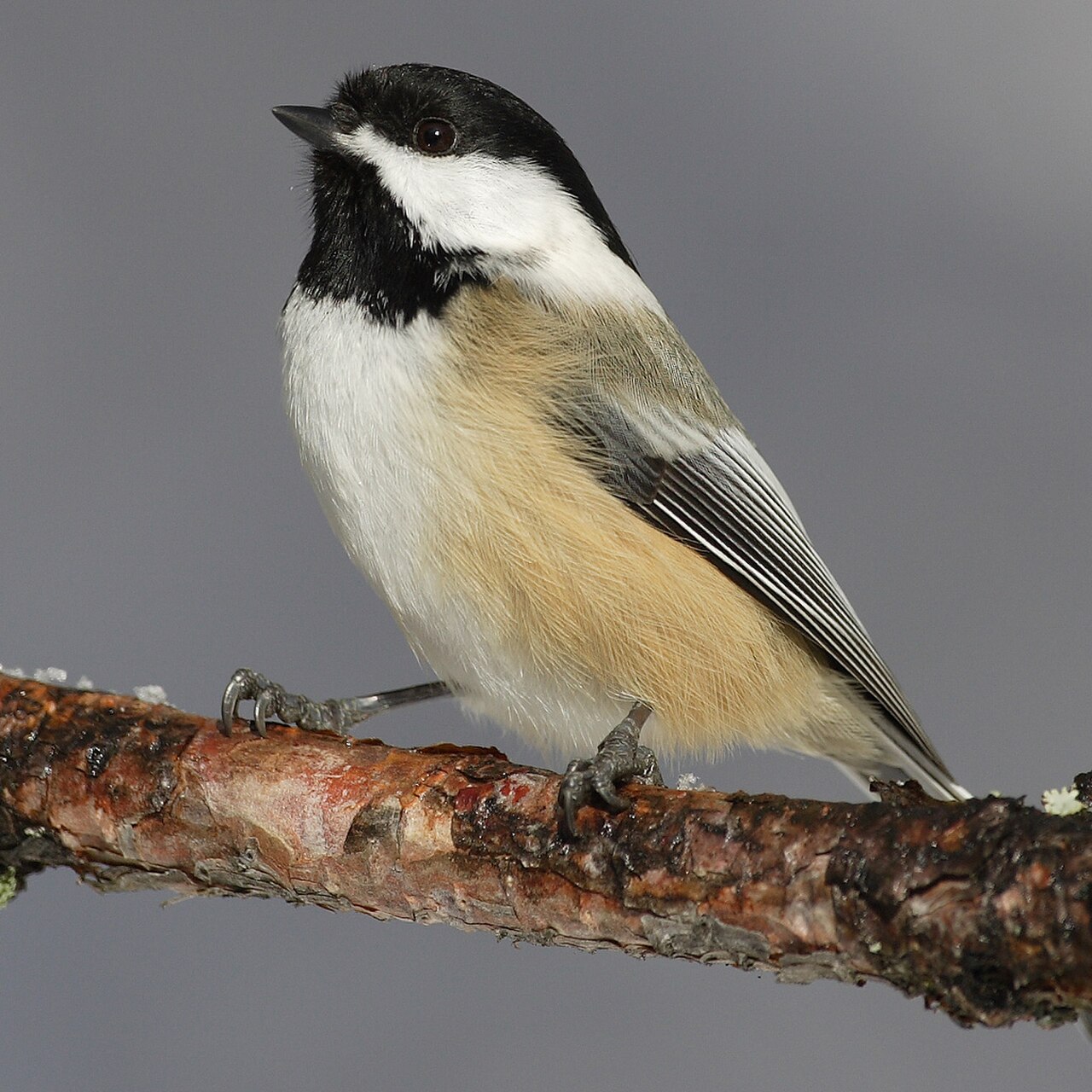
Black-capped Chickadee
Poecile atricapillusAlso known as Black-Capped Tit
Black-capped chickadees excel at surviving harsh winters by caching thousands of individual seeds each autumn and recalling every hidden location months later. They form tight social flocks that maintain feeding territories, frequently using their namesake call to communicate threat levels to neighboring birds. During freezing nights, they lower their internal body temperature by several degrees to conserve precious energy reserves.
Feeder BirdSocialResilient
—observations
—countries
—peak records
Least ConcernConservation statusIUCN Red List categoriesLCNTVUENCREWEXLeast ConcernRed List categories, explained →
Diet & preyCaterpillars, Spiders, Sunflower seeds
Predators
- Sharp-shinned Hawk
- Eastern Screech-Owl
- Domestic Cat
ThreatsHabitat fragmentation, severe weather events, and domestic cats
HabitatsDeciduous and mixed forests, woodlands, parks, and suburban gardens
Life span2–7 years in the wild
Classification
- OrderPasseriformes
- FamilyParidae
- GenusPoecile
- SpeciesPoecile atricapillus
Range data is not available yet.
Interaction riskLow
- Low
- Moderate
- High
- Very high
- Why interaction risk is low
- Safe to observe at a normal distance.
Responsible observation
- Feeder setup: Offer black oil sunflower seeds or suet in tray or tube feeders.
- Vocal tracking: Listen for extra 'dee' syllables added to their call when a predator is nearby.
- Safe placement: Place feeders within three meters of evergreen cover to protect visiting birds from hawks.
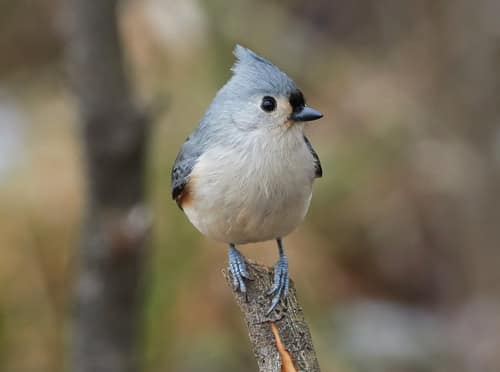
Frequent Companion no rights reserved, uploaded by David Bird · cc0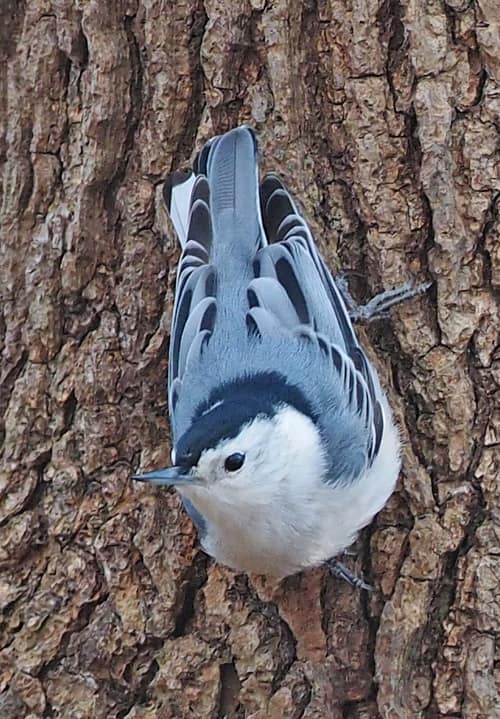
Frequent Companion (c) Judy Gallagher, some rights reserved (CC BY) · cc-by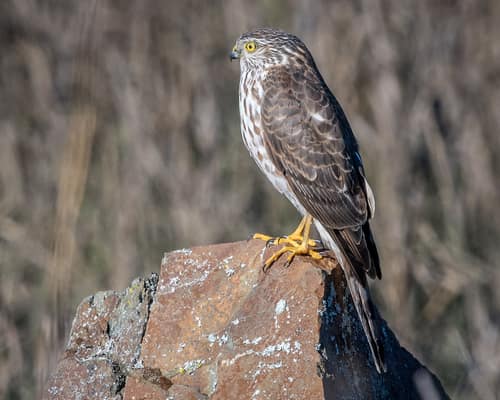
Predator "Sharp-Shinned Hawk (juvenile)" by Becky Matsubara is licensed under CC BY 2.0. To view a copy of this license, visit https://creativecommons.org/licenses/by/2.0/. · cc-by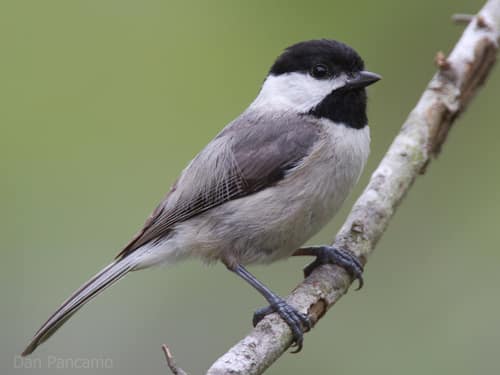
Close Relative (c) Dan Pancamo, some rights reserved (CC BY-SA) · cc-by-sa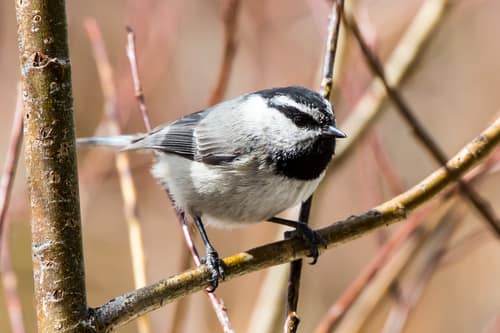
Close Relative (c) Ron Knight, some rights reserved (CC BY) · cc-by
Keep collecting in Fauna
Found in Collections
Species set Pro
Backyard Birds
Black-capped Chickadee is found in this collection. Identify it in Fauna to fill this slot and continue your progress.
Unlock to track progress
Help improve the field guideSomething wrong?
Checking your Fauna account…Report a name, category, or profile issue for review.