
Bird · GBIF taxon 2487844
Carolina Chickadee
Poecile carolinensisCarolina chickadees form tight-knit, acrobatic winter flocks that roam deciduous woodlands and suburban yards across the southeastern United States. These curious songbirds hide thousands of individual seeds in tree bark each autumn, relying on an enlarged hippocampus to recall their exact locations months later. Their fast, four-note song distinguishes them from their northern Black-capped relatives where their breeding ranges meet.
SongbirdFeeder BirdCavity Nester
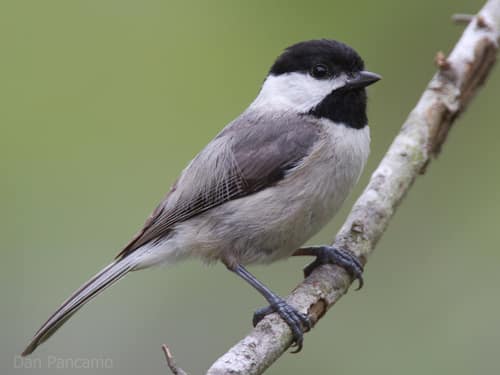
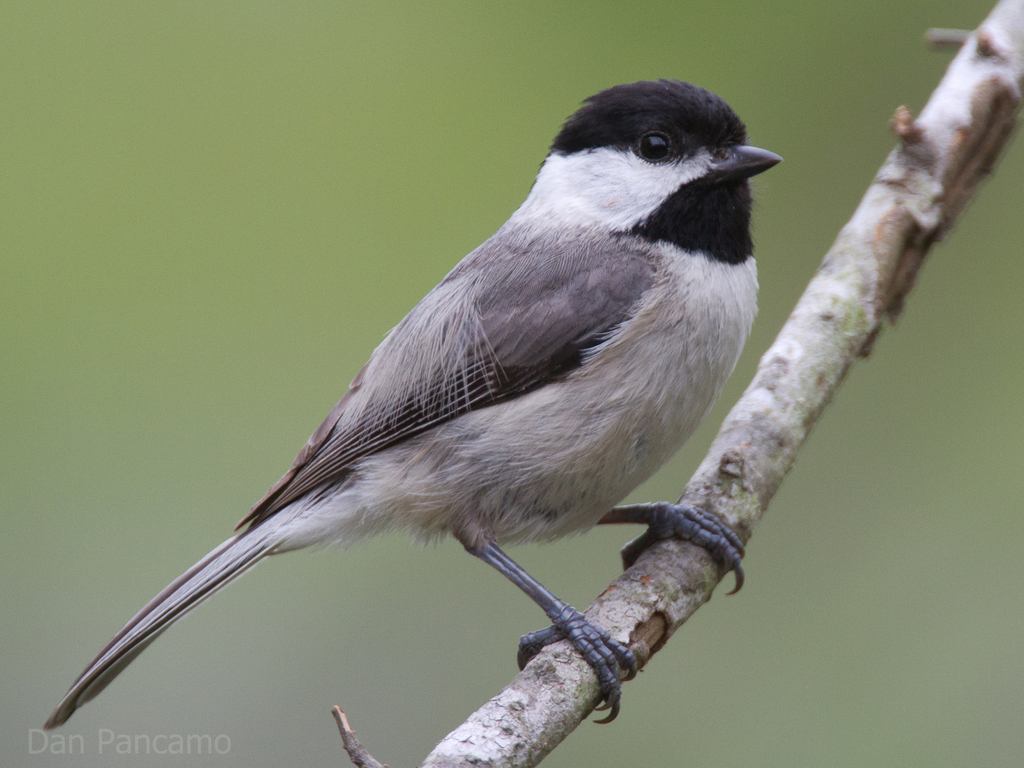
—observations
—countries
—peak records
Least ConcernConservation statusIUCN Red List categoriesLCNTVUENCREWEXLeast ConcernRed List categories, explained →
Diet & prey
- Caterpillars
- Spiders
- Sunflower seeds
Predators
- Sharp-shinned Hawk
- Domestic Cat
- Eastern Screech-Owl
ThreatsHabitat fragmentation, competition for nest sites, extreme winter weather
HabitatsDeciduous and mixed forests, woodlands, parks, suburban gardens
Life span2–10 years
Size / weightNot available
Classification
- OrderPasseriformes
- FamilyParidae
- GenusPoecile
- SpeciesPoecile carolinensis
Range data is not available yet.
Interaction riskLow
- Low
- Moderate
- High
- Very high
- Why interaction risk is low
- Safe to observe at a normal distance.
Responsible observation
- Feeder setup: Offer black oil sunflower seeds or suet in winter to attract them.
- Nest boxes: Mount small cavity boxes with a 1.125-inch entrance hole before spring.
- Listening: Listen for their fast four-note song 'car-o-li-na' to spot them in high canopy.
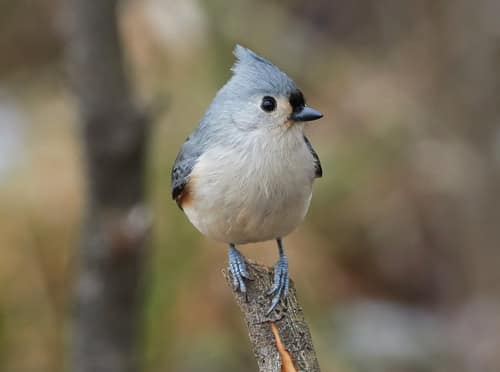
Frequent Companion no rights reserved, uploaded by David Bird · cc0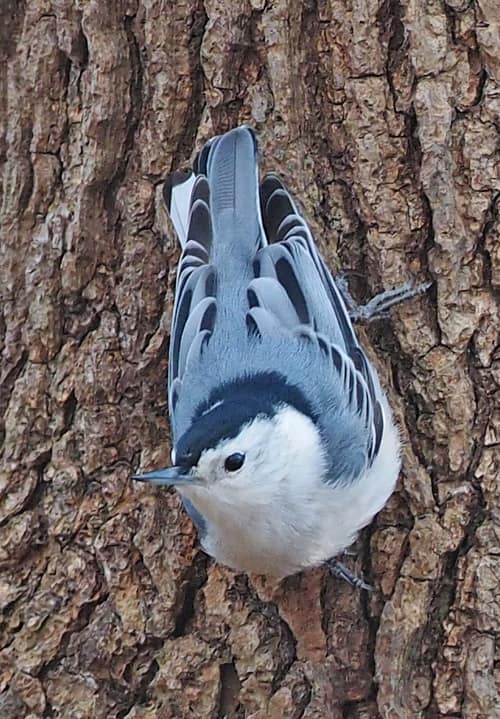
Frequent Companion (c) Judy Gallagher, some rights reserved (CC BY) · cc-by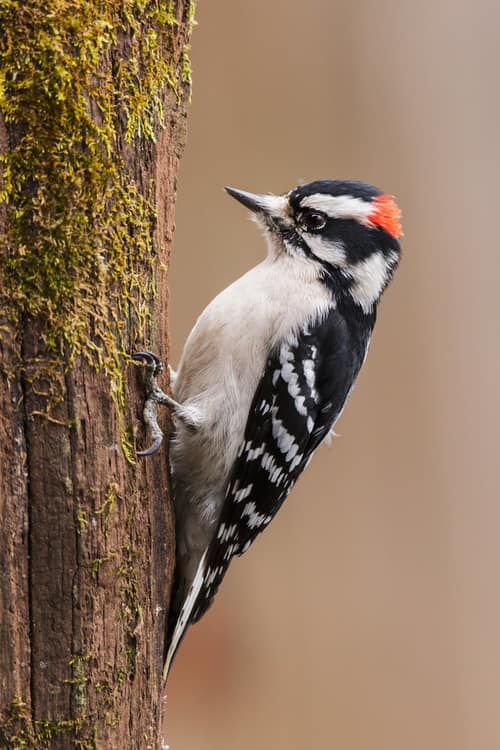
Frequent Companion "Male Downy Woodpecker" by ShenandoahNPS is marked with Public Domain Mark 1.0. To view the terms, visit https://creativecommons.org/publicdomain/mark/1.0/. · cc0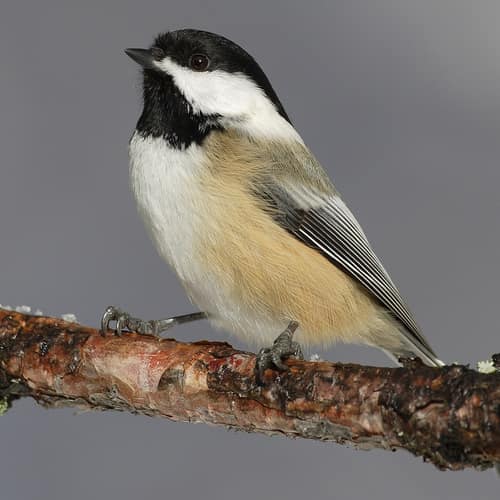
Close Relative No machine-readable author provided. Mdf assumed (based on copyright claims). / CC BY-SA 3.0 · cc-by-sa
Keep collecting in Fauna
Found in Collections
Species set Pro
Backyard Birds
Carolina Chickadee is found in this collection. Identify it in Fauna to fill this slot and continue your progress.
Unlock to track progress
Help improve the field guideSomething wrong?
Checking your Fauna account…Report a name, category, or profile issue for review.