
Bird · GBIF taxon 2487825
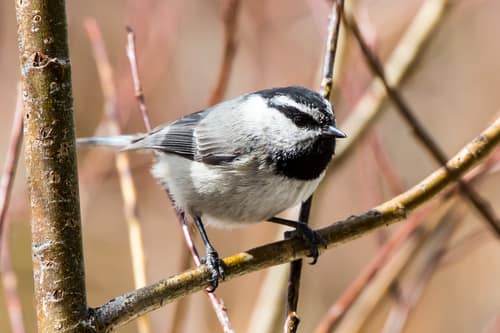
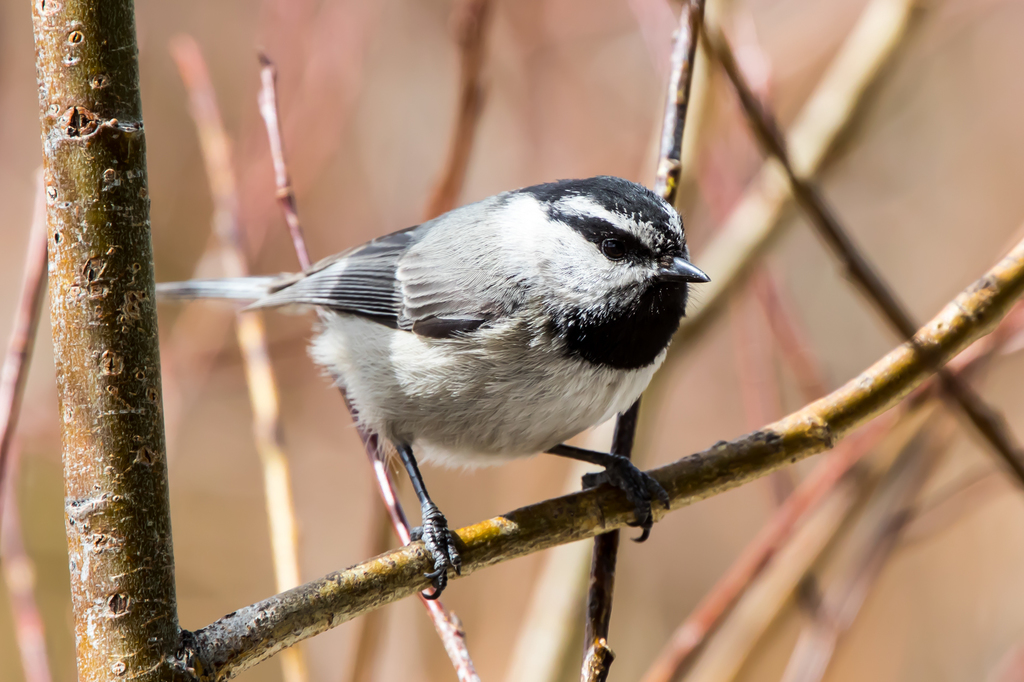
Mountain Chickadee
Poecile gambeliAlso known as Gambel's Chickadee
Mountain chickadees spend their days acrobatically gleaning insects and pine seeds from high conifer canopies throughout western North America. Easily recognized by the distinct white stripe running above each eye, these energetic songbirds store thousands of seeds each autumn to survive harsh subalpine winters. They regularly form loose winter foraging flocks alongside nuthatches, kinglets, and brown creepers.
SongbirdAlpineCavity Nester
—observations
—countries
—peak records
Least ConcernConservation statusIUCN Red List categoriesLCNTVUENCREWEXLeast ConcernRed List categories, explained →
Diet & prey
- Caterpillars
- Beetles
- Pine seeds
Predators
- Sharp-shinned Hawk
- Cooper's Hawk
- Northern Pygmy-Owl
ThreatsSevere wildfire, climate change, habitat loss
HabitatsMontane conifer forests, subalpine pine woodlands
Life span7–10 years
Size / weightNot available
Classification
- OrderPasseriformes
- FamilyParidae
- GenusPoecile
- SpeciesPoecile gambeli
Range data is not available yet.
Interaction riskLow
- Low
- Moderate
- High
- Very high
- Why interaction risk is low
- Safe to observe at a normal distance.
Responsible observation
- Feeder Visits: Offer black oil sunflower seeds or suet block feeders in mountain backyards.
- Listening Cues: Listen for a raspy, three-part chick-a-dee call resonating from high pine needles.
- Winter Flocks: Look for them leading mixed foraging groups alongside kinglets and nuthatches.
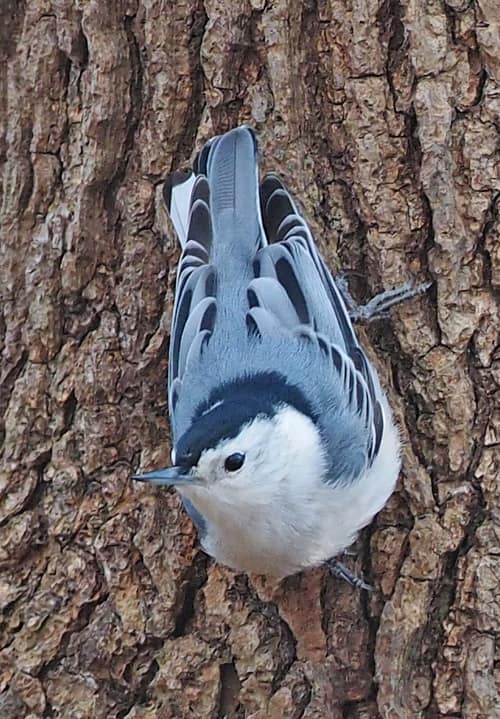
Frequent Companion (c) Judy Gallagher, some rights reserved (CC BY) · cc-by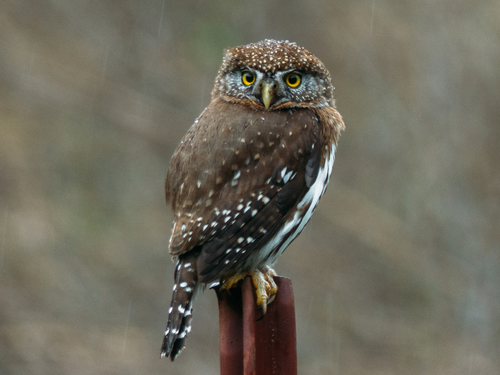
Predator no rights reserved, uploaded by Kyle Nessen · cc0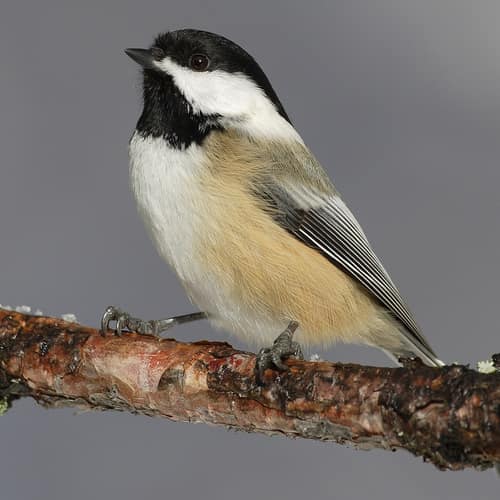
Close Relative No machine-readable author provided. Mdf assumed (based on copyright claims). / CC BY-SA 3.0 · cc-by-sa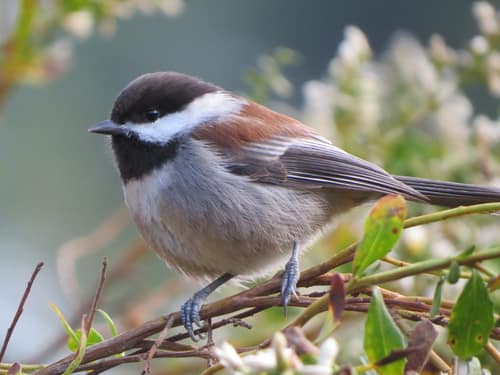
Close Relative (c) Garth Harwood, some rights reserved (CC BY), uploaded by Garth Harwood · cc-by
Keep collecting in Fauna
Found in Collections
Species set Pro
Backyard Birds
Mountain Chickadee is found in this collection. Identify it in Fauna to fill this slot and continue your progress.
Unlock to track progress
Help improve the field guideSomething wrong?
Checking your Fauna account…Report a name, category, or profile issue for review.