
Bird
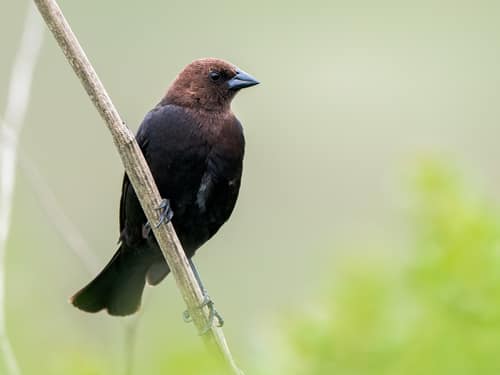
Brown-headed Cowbird
Molothrus aterAlso known as Cowbird
Brown-headed cowbirds are obligate brood parasites that never build nests of their own, laying eggs in the nests of over 220 songbird species. Females actively scout host nests by watching silently from canopy perches throughout spring mornings. Chicks grow rapidly after hatching, often outcompeting host nestlings for parental food deliveries.
Brood ParasiteSongbirdMigratory

—observations
—countries
—peak records
Least ConcernConservation statusIUCN Red List categoriesLCNTVUENCREWEXLeast ConcernRed List categories, explained →
Diet & preyGrasshoppers, Beetles, Weed Seeds
Predators
- Cooper's Hawk
- Great Horned Owl
- Domestic Cat
ThreatsLocalized population management, winter habitat loss
HabitatsPastures, grasslands, forest edges, suburbs, farmland
Life span8–15 years
Classification
- OrderPasseriformes
- FamilyIcteridae
- GenusMolothrus
- SpeciesMolothrus ater
Range data is not available yet.
Interaction riskLow
- Low
- Moderate
- High
- Very high
- Why interaction risk is low
- Safe to observe at a normal distance.
Responsible observation
- Observation: Look for males performing puffed-chest bow displays while delivering squeaky calls from high perches.
- Feeders: Check ground-feeding zones around bird feeders where mixed blackbird flocks gather in winter.
- Nest Care: Avoid disturbing active wild bird nests containing cowbird eggs, as native birds are federally protected.
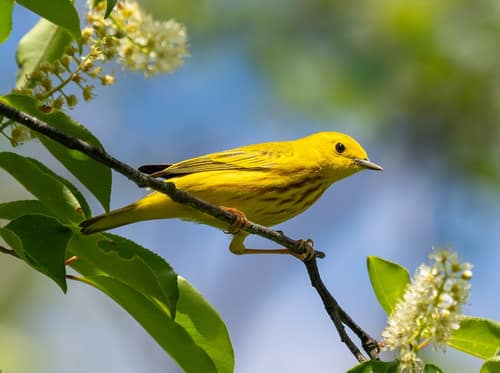
Host Species Rhododendrites / CC BY-SA 4.0 · cc-by-sa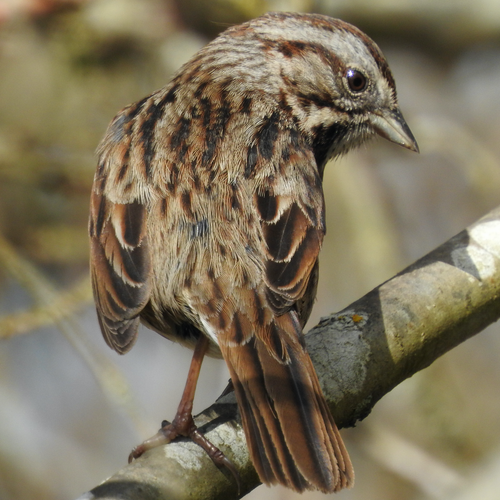
Host Species (c) Daniel Levitis, some rights reserved (CC BY), uploaded by Daniel Levitis · cc-by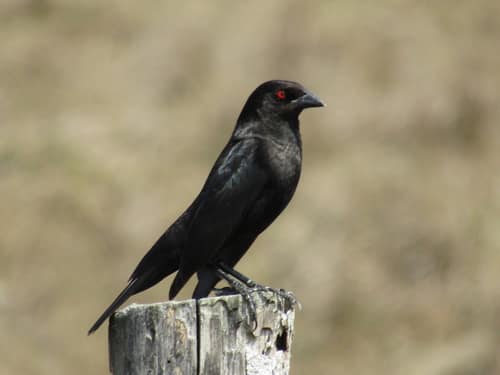
Close Relative (c) Adrianh M. Orozco, some rights reserved (CC BY), uploaded by Adrianh M. Orozco · cc-by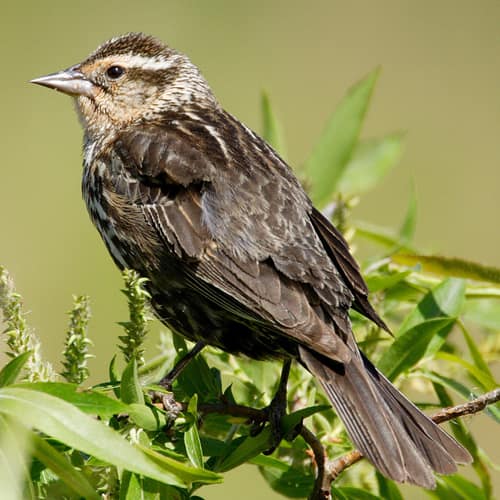
Family Relative (c) anonymous, some rights reserved (CC BY-SA) · cc-by-sa
Help improve the field guideSomething wrong?
Checking your Fauna account…Report a name, category, or profile issue for review.