
Bird
Cape Crow
Corvus capensisAlso known as Black Crow
Cape crows stride purposefully across open pastures and semi-arid karoo, using their slender, downcurved bills to probe deep into soil for beetle grubs and edible bulbs. Monogamous pairs defend extensive territories year-round, performing aerial swoops and uttering distinctive bubbling, liquid calls that sound surprisingly musical compared to other corvids. Highly adaptable and socially alert, they routinely follow livestock herds or plows to capitalize on uncovered insects.
IntelligentOmnivorousGrassland
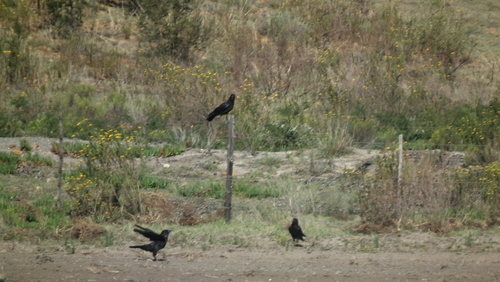
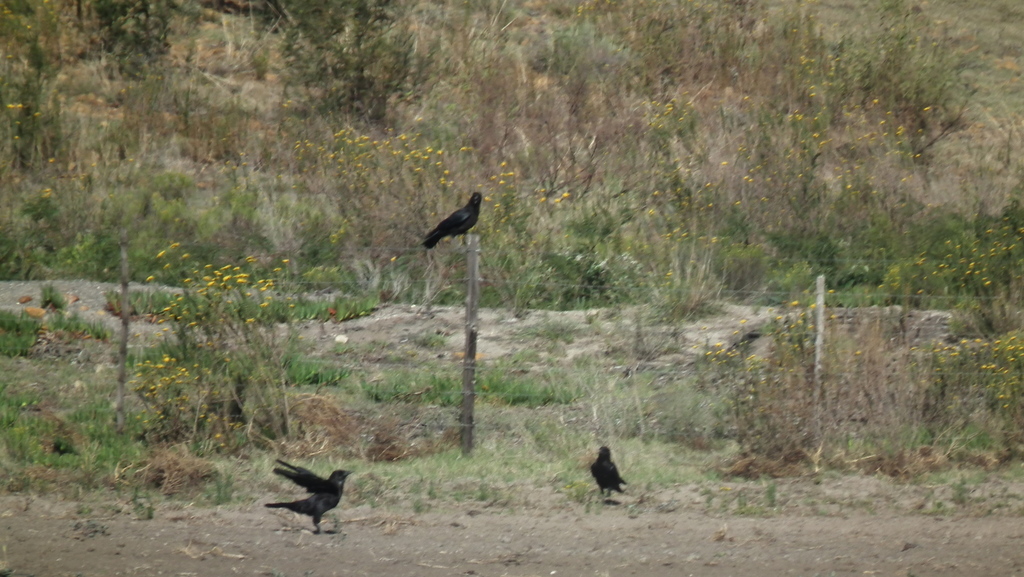
—observations
—countries
—peak records
Least ConcernConservation statusIUCN Red List categoriesLCNTVUENCREWEXLeast ConcernRed List categories, explained →
Diet & preyBeetle larvae, Grasshoppers, Seeds and grain
Predators
- Tawny Eagle
- Martial Eagle
- Verreaux's Eagle-Owl
ThreatsPoisoning from agricultural pesticides, persecution by livestock farmers
HabitatsGrasslands, agricultural fields, open savanna, semi-arid scrub
Life span10–15 years
Classification
- FamilyCorvidae
- SpeciesCorvus capensis
Range data is not available yet.
Interaction riskLow
- Low
- Moderate
- High
- Very high
- Why interaction risk is low
- Safe to observe at a normal distance.
Responsible observation
- Observation: Scan freshly turned farm fields and telephone poles along rural roads where pairs regularly perch.
- Listening: Listen for high-pitched liquid yelps and chattering rattles rather than harsh, raspy cawing.
- Viewing Distance: Maintain a steady distance on foot, as rural birds remain naturally wary of direct approaches.
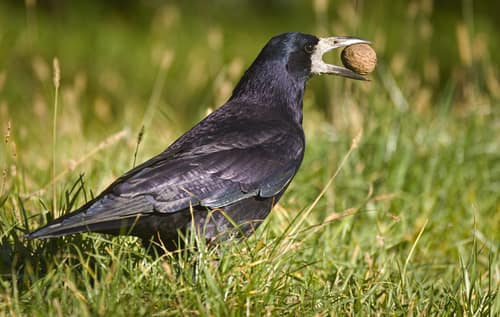
Ecological Counterpart (c) hedera.baltica, some rights reserved (CC BY-SA) · cc-by-sa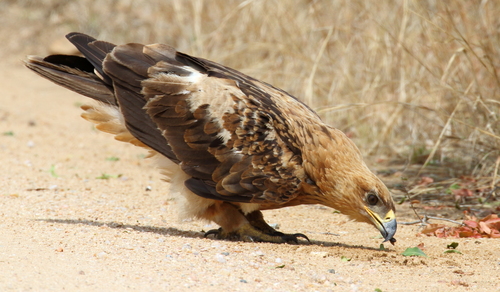
Predator (c) Alan Manson, some rights reserved (CC BY), uploaded by Alan Manson · cc-by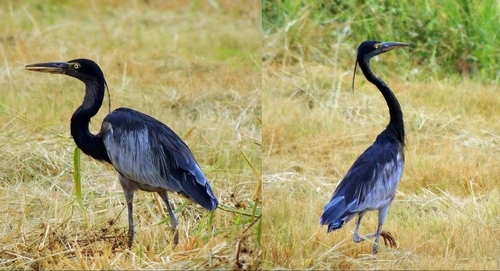
Competitor (c) i_c_riddell, some rights reserved (CC BY), uploaded by i_c_riddell · cc-by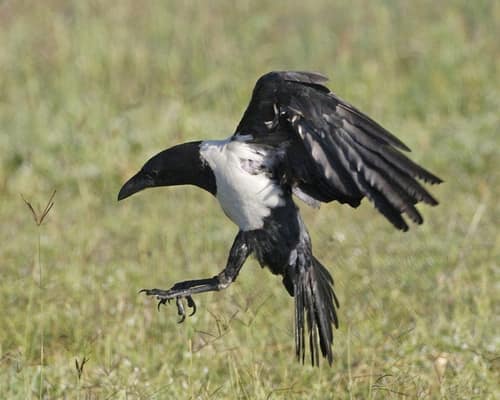
Close Relative (c) Lip Kee, some rights reserved (CC BY-SA) · cc-by-sa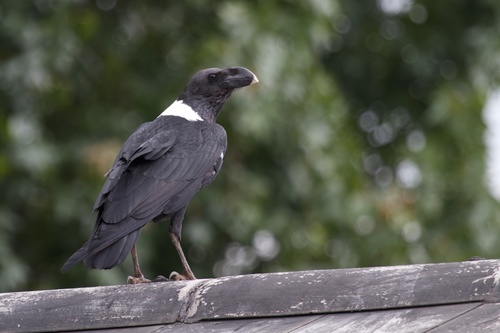
Close Relative (c) Brian Gratwicke, some rights reserved (CC BY) · cc-by
Help improve the field guideSomething wrong?
Checking your Fauna account…Report a name, category, or profile issue for review.