
Bird
White-necked Raven
Corvus albicollisAlso known as African White-necked Raven, Cape Raven
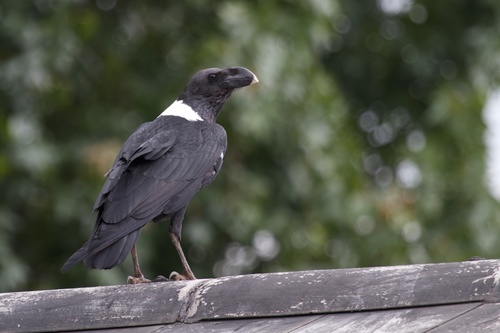
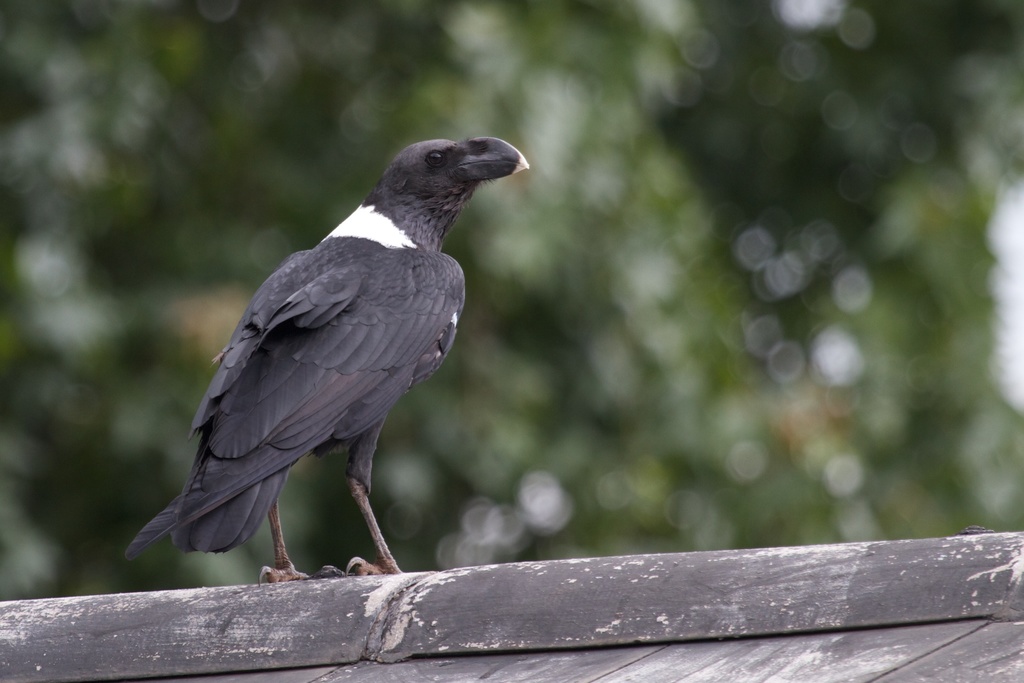
White-necked ravens soar along rocky escarpments and open savannahs in pairs or small family groups, patrolling for carrion and small prey. They feature a massive, arched black bill with a pale tip and a stark white crescent across the nape. Known for high intelligence and playful aerial maneuvers, these opportunistic birds often forage near human settlements and drop hard items onto rocks to crack them open.
ScavengerIntelligentAfrican Bird
—observations
—countries
—peak records
Least ConcernConservation statusIUCN Red List categoriesLCNTVUENCREWEXLeast ConcernRed List categories, explained →
Diet & preyCarrion, Lizards, Insects
Predators
- Verreaux's Eagle
- Martial Eagle
ThreatsSecondary poisoning from livestock baits, habitat alteration, and direct persecution
HabitatsMountainous regions, rocky hills, cliffs, open savannah, and rural human settlements
Life span15–20 years in the wild
Classification
- FamilyCorvidae
- SpeciesCorvus albicollis
Range data is not available yet.
Interaction riskLow
- Low
- Moderate
- High
- Very high
- Why interaction risk is low
- May deliver a painful bite if cornered or handled; observe from a safe distance.
Responsible observation
- Scan Cliff Faces: Look along rocky escarpments where pairs frequently perch or display in flight.
- Secure Food Waste: Keep trash covered at campsites to avoid attracting scavenging ravens.
- Listen for Calls: Listen for deep, throaty croaks that distinguish them from smaller crows.
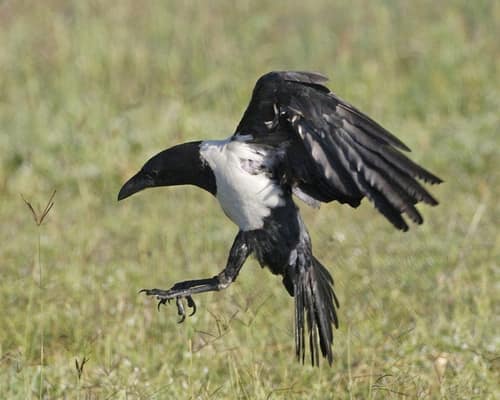
Competitor (c) Lip Kee, some rights reserved (CC BY-SA) · cc-by-sa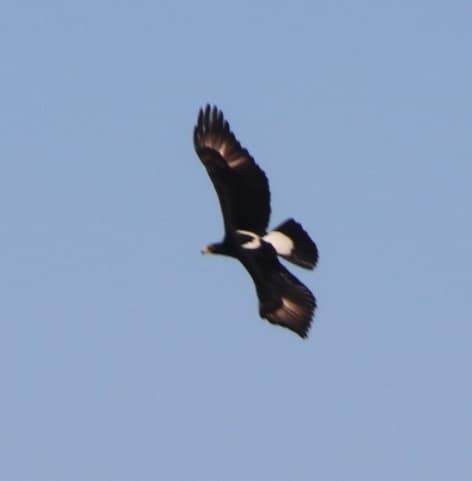
Predator (c) Tony Rebelo, some rights reserved (CC BY-SA), uploaded by Tony Rebelo · cc-by-sa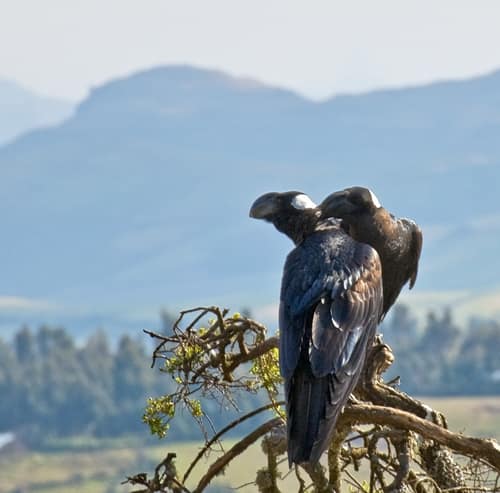
Close Relative (c) A.Davey, some rights reserved (CC BY) · cc-by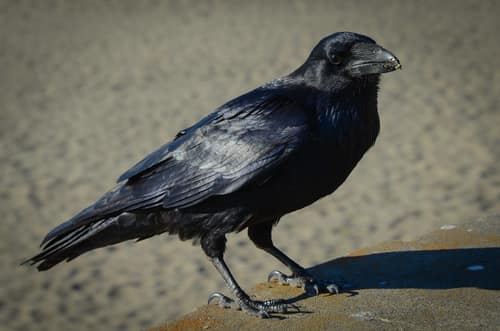
Genus Relative "Common Raven (Corvus corax)" by Franco Folini is licensed under CC BY-SA 2.0. To view a copy of this license, visit https://creativecommons.org/licenses/by-sa/2.0/. · cc-by-sa
Help improve the field guideSomething wrong?
Checking your Fauna account…Report a name, category, or profile issue for review.