
Bird
Turkey Vulture
Cathartes auraAlso known as Turkey Buzzard, Buzzard, John Crow
Turkey vultures dominate North American skies using an incredible sense of smell to locate decaying carcasses hidden beneath dense forest canopies. Relying on rising thermal air currents, they tilt side to side on two-toned wings held in a shallow V-shape, soaring for miles without a single wingbeat. When threatened, these gentle scavengers defend themselves by regurgitating caustic, highly acidic stomach content that deters nearly any intruder.
ScavengerSoaring BirdDiurnal
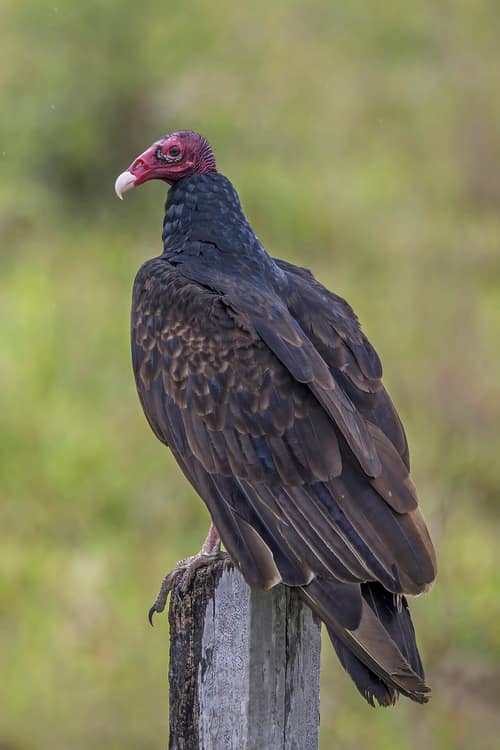
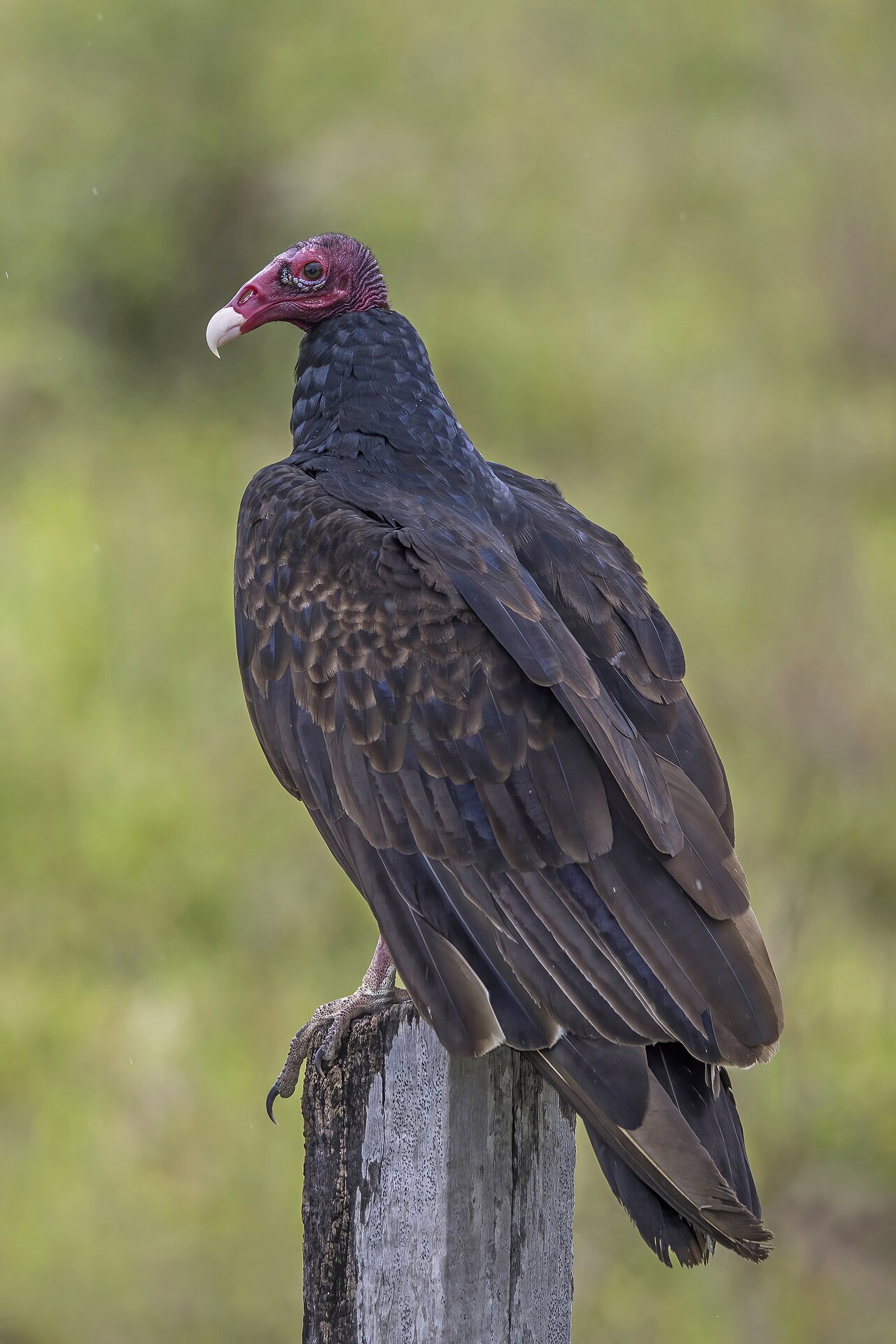
—observations
—countries
—peak records
Least ConcernConservation statusIUCN Red List categoriesLCNTVUENCREWEXLeast ConcernRed List categories, explained →
Diet & preyCarrion, Roadkill, Decomposed Fish
Predators
- Eagles
- Great Horned Owls
- Raccoons
ThreatsLead poisoning, vehicle strikes, and secondary rodenticide poisoning
HabitatsOpen country, pastures, shrublands, forests, and deserts
Life span15–20 years in the wild
Classification
- OrderAccipitriformes
- FamilyCathartidae
- GenusCathartes
- SpeciesCathartes aura
Native
Interaction riskLow
- Low
- Moderate
- High
- Very high
- Why interaction risk is low
- Will defensively regurgitate foul stomach acid if closely threatened; observe from a respectful distance.
Responsible observation
- Sky Identification: Look for a pronounced V-shape wing angle and continuous rocking motion while soaring.
- Respectful Distances: Avoid approaching roosting or nesting sites on cliffs and trees to prevent stress.
- Roadside Caution: Give feeding vultures ample space near roads so they can take off safely without panic.
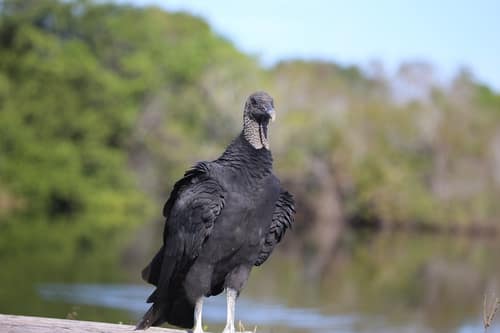
Competitor "BLACK VULTURE #2" by cuatrok77 is licensed under CC BY-SA 2.0. To view a copy of this license, visit https://creativecommons.org/licenses/by-sa/2.0/. · cc-by-sa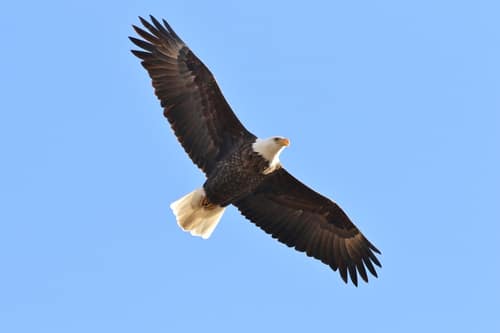
Competitor (c) Thibaud Aronson, some rights reserved (CC BY-SA), uploaded by Thibaud Aronson · cc-by-sa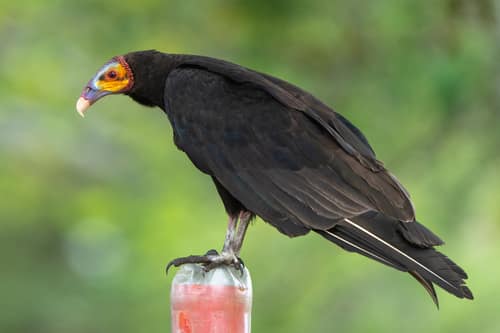
Close Relative (c) Anthony Batista, some rights reserved (CC BY), uploaded by Anthony Batista · cc-by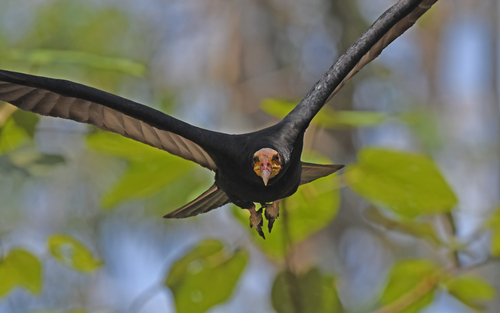
Close Relative (c) Christoph Moning, some rights reserved (CC BY) · cc-by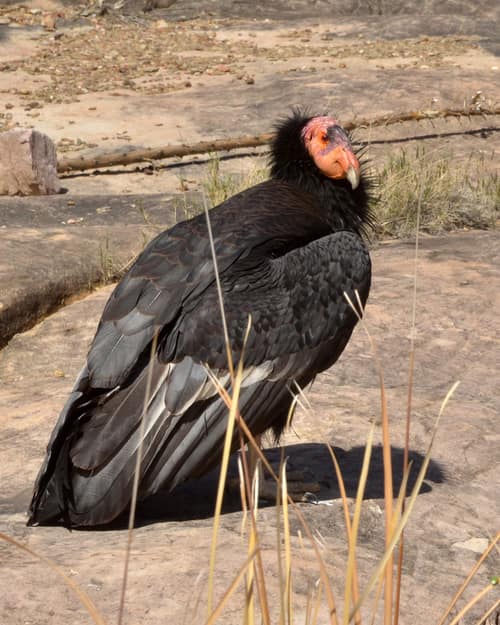
Family Relative "Grand Canyon National Park: California Condor 87_3467" by Grand Canyon NPS is licensed under CC BY 2.0. To view a copy of this license, visit https://creativecommons.org/licenses/by/2.0/. · cc-by
Keep collecting in Fauna
Found in Collections
Ecosystem chain Pro
Desert Sands
Turkey Vulture is found in this collection. Identify it in Fauna to fill this slot and continue your progress.
Unlock to track progress
Help improve the field guideSomething wrong?
Checking your Fauna account…Report a name, category, or profile issue for review.