
Bird
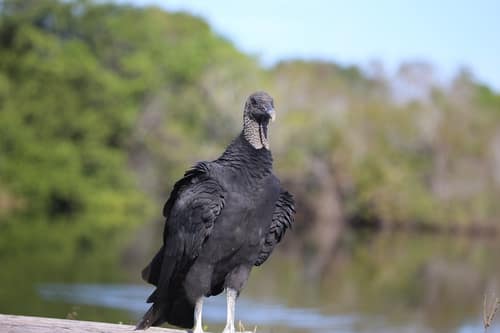
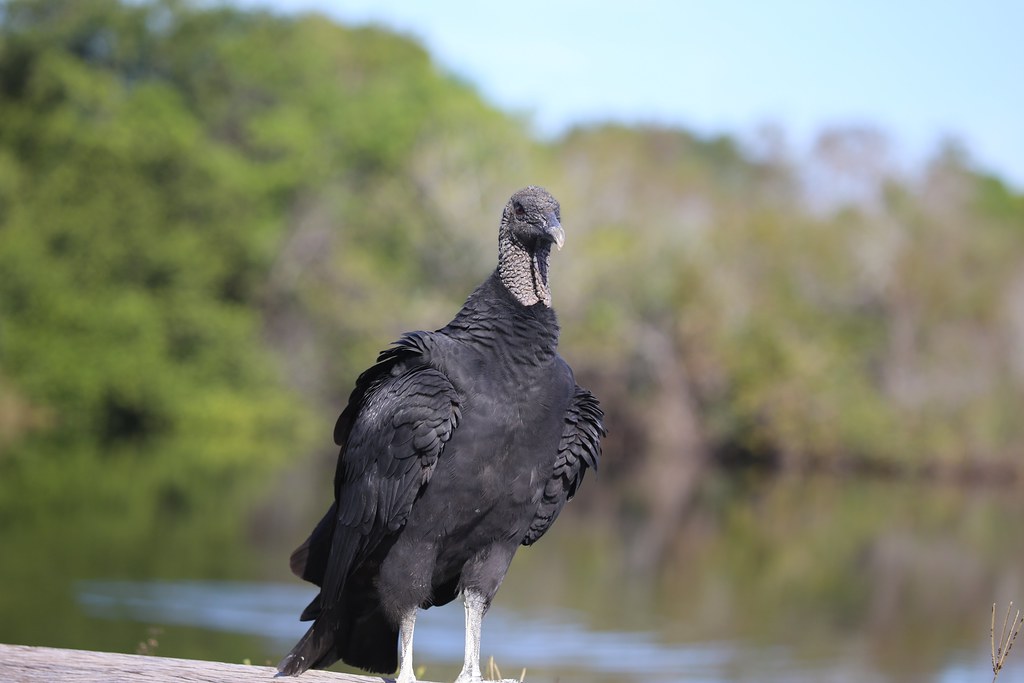
Black Vulture
Coragyps atratusAlso known as American Black Vulture, Zopilote, Urubu, Gallinazo
Black vultures command the skies with broad, square-tipped wings featuring stark white primary patches visible underneath in flight. Lacking an acute sense of smell, they rely on keen eyesight and high-altitude soaring to spot carcasses or follow other scavengers to a meal. Highly social birds, they roost in large communal groups and aggressively defend feeding sites from competitors.
ScavengerSoaringSocial
—observations
—countries
—peak records
Least ConcernConservation statusIUCN Red List categoriesLCNTVUENCREWEXLeast ConcernRed List categories, explained →
Diet & preyCarrion, Eggs, Small reptiles
Predators
- Great Horned Owl
- Golden Eagle
- Coyote
ThreatsVehicle collisions, lead poisoning, direct persecution
HabitatsOpen country, pastures, roadsides, landfills, open woodlands
Life span15–25 years
Classification
- OrderAccipitriformes
- FamilyCathartidae
- GenusCoragyps
- SpeciesCoragyps atratus
Range data is not available yet.
Interaction riskLow
- Low
- Moderate
- High
- Very high
- Why interaction risk is low
- Safe to observe at a distance, though birds may defensively regurgitate or bite if cornered.
Responsible observation
- Observation Distance: Keep a respectful distance from roosting sites to avoid flushing dense communal flocks.
- Scanning the Sky: Look for short, square tails and silvery wingtip patches during rapid flapping cycles.
- Roadside Etiquette: Never approach feeding groups on roadsides, as startled birds take off slowly into traffic.
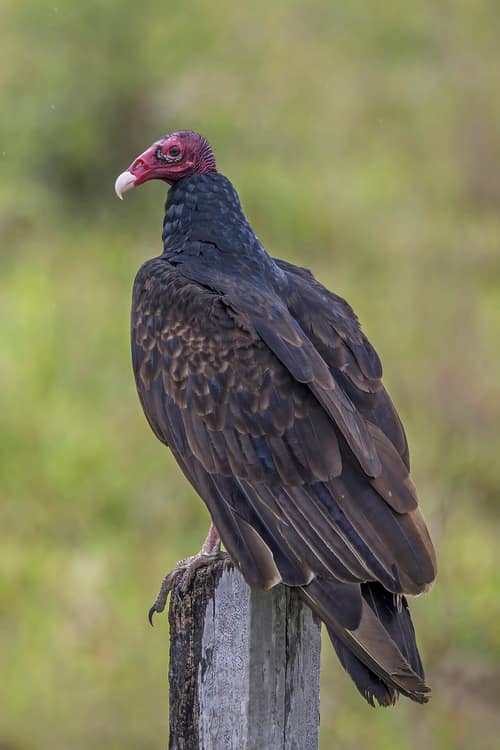
Competitor Charles J. Sharp / CC BY-SA 4.0 · cc-by-sa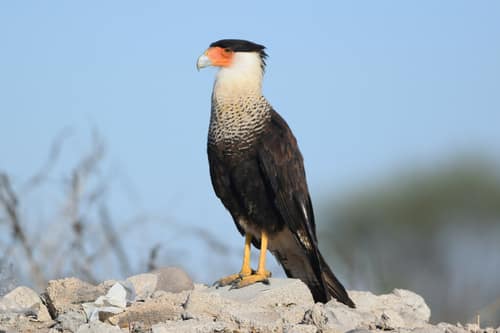
Competitor (c) Juan Cruzado Cortés, some rights reserved (CC BY), uploaded by Juan Cruzado Cortés · cc-by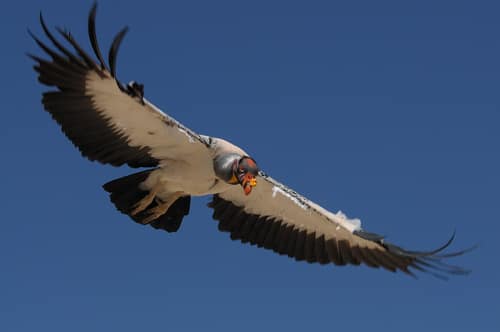
Close Relative Renato Augusto Martins / CC BY-SA 4.0 · cc-by-sa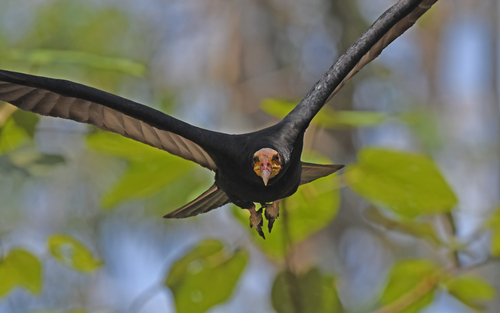
Close Relative (c) Christoph Moning, some rights reserved (CC BY) · cc-by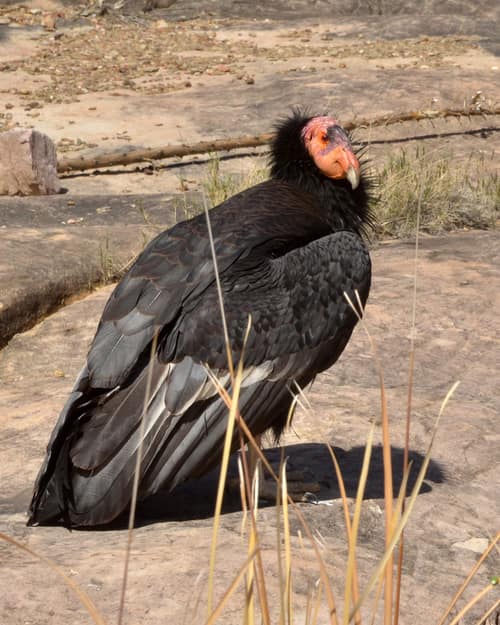
Close Relative "Grand Canyon National Park: California Condor 87_3467" by Grand Canyon NPS is licensed under CC BY 2.0. To view a copy of this license, visit https://creativecommons.org/licenses/by/2.0/. · cc-by
Keep collecting in Fauna
Found in Collections
Ecosystem chain Pro
Desert Sands
Black Vulture is found in this collection. Identify it in Fauna to fill this slot and continue your progress.
Unlock to track progress
Help improve the field guideSomething wrong?
Checking your Fauna account…Report a name, category, or profile issue for review.