
Bird · GBIF taxon 2481907
Andean Condor
Vultur gryphusAlso known as Andean Vulture
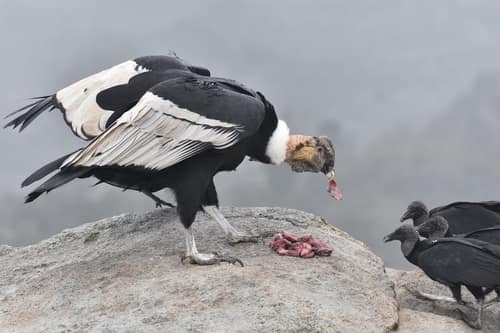
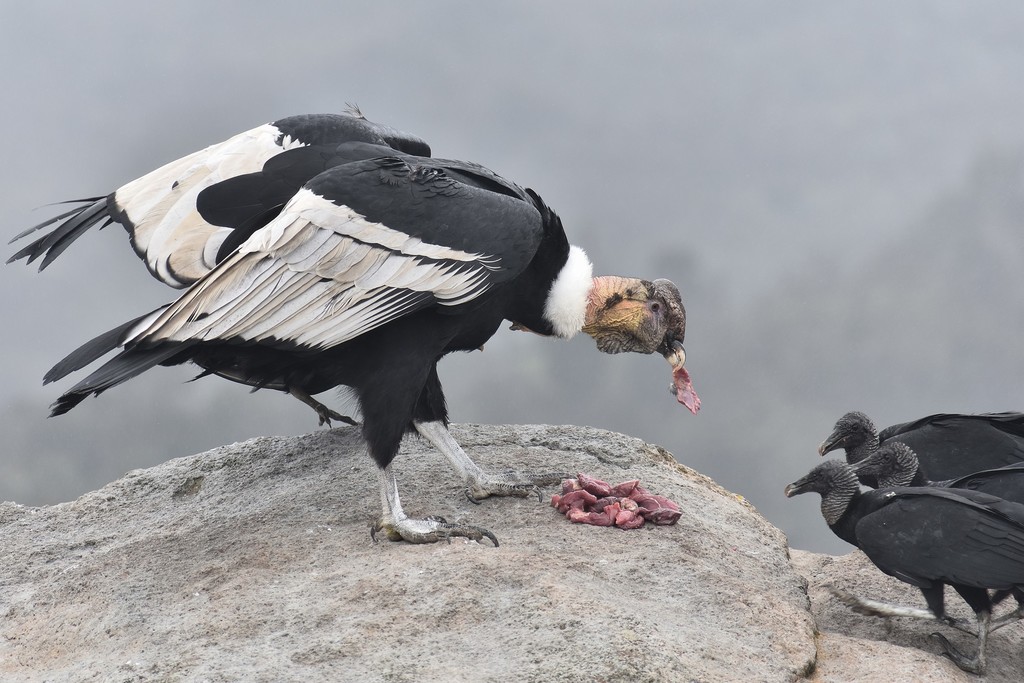
Andean condors command the skies above South American mountain ranges, riding thermal updrafts on massive wings that span over three meters. Adult males display a prominent fleshy crest atop their bald heads along with a bright white neck ruff that contrasts sharply with dark body plumage. Breeding pairs rear a single chick every two years, nesting on high, inaccessible cliff ledges overlooking vast alpine valleys.
ScavengerAlpineSoaring
—observations
—countries
—peak records
VulnerableConservation statusIUCN Red List categoriesLCNTVUENCREWEXVulnerableRed List categories, explained →
Diet & prey
- Guanaco
- Vicuña
- Cattle
Predators
- Culpeo Fox
- Puma
ThreatsSecondary Poisoning, Lead Poisoning, Habitat Loss
HabitatsAlpine Meadows, Mountain Canyons, Coastal Cliffs
Life span50–70 years
Size / weightNot available
Classification
- FamilyCathartidae
- SpeciesVultur gryphus
Range data is not available yet.
Interaction riskLow
- Low
- Moderate
- High
- Very high
- Why interaction risk is low
- Safe to observe at a normal distance; maintain respectful space near nesting cliffs and carcasses.
- What to notice
- Look for a huge dark body, white neck collar, broad wings with white wing patches, and a bare head.
- Support conservation
- Observe strictly from a distance using optics, avoiding any approach toward nesting cliffs or active feeding sites.
Responsible observation
- Optics Selection: Use high-magnification binoculars or a spotting scope to scan mountain ridgelines.
- Timing Sightings: Watch ridge crests during late morning as warm thermal currents begin to lift heavy birds.
- Cliff Respect: Stay on designated mountain trails to avoid disturbing nesting pairs along canyon walls.
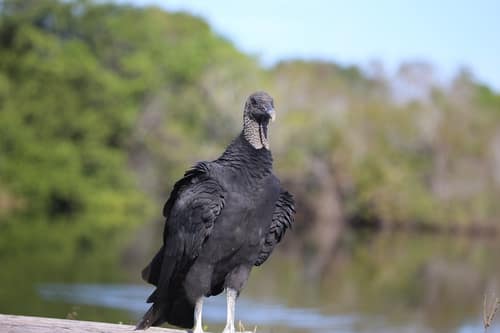
Competitor "BLACK VULTURE #2" by cuatrok77 is licensed under CC BY-SA 2.0. To view a copy of this license, visit https://creativecommons.org/licenses/by-sa/2.0/. · cc-by-sa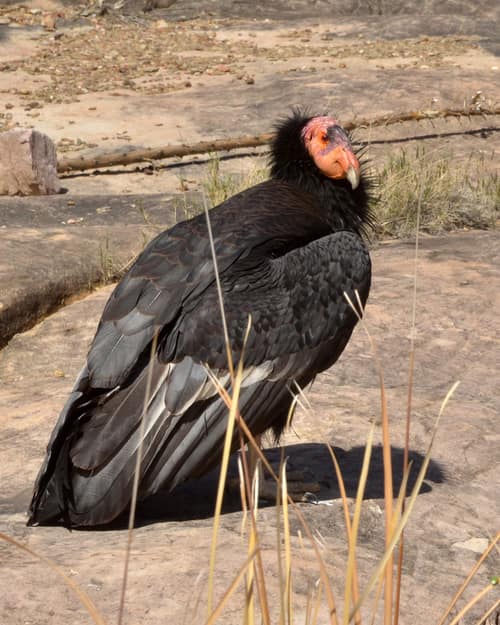
Close Relative "Grand Canyon National Park: California Condor 87_3467" by Grand Canyon NPS is licensed under CC BY 2.0. To view a copy of this license, visit https://creativecommons.org/licenses/by/2.0/. · cc-by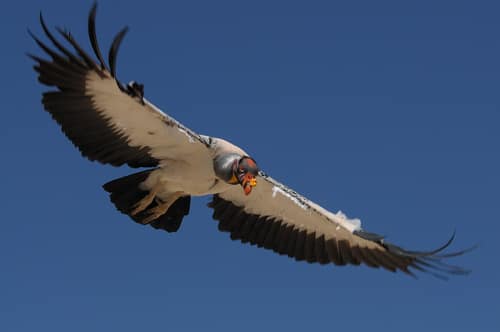
Close Relative Renato Augusto Martins / CC BY-SA 4.0 · cc-by-sa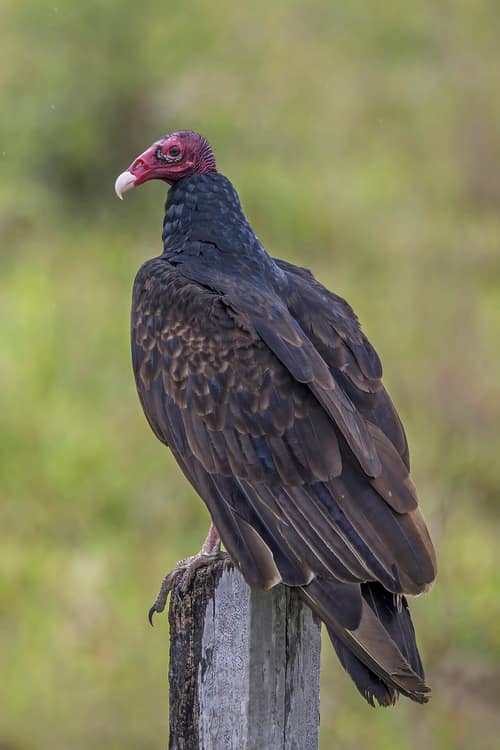
Close Relative Charles J. Sharp / CC BY-SA 4.0 · cc-by-sa
Help improve the field guideSomething wrong?
Checking your Fauna account…Report a name, category, or profile issue for review.