
Bird
Tufted Puffin
Fratercula cirrhataAlso known as Crested Puffin
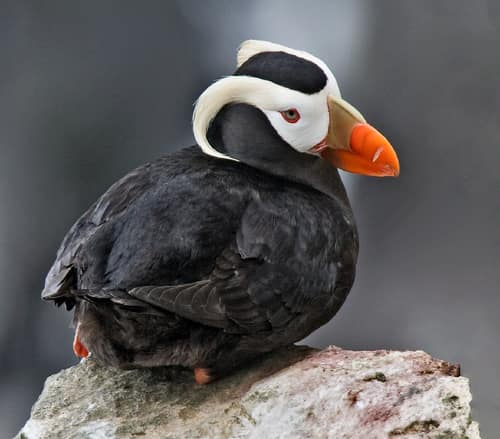
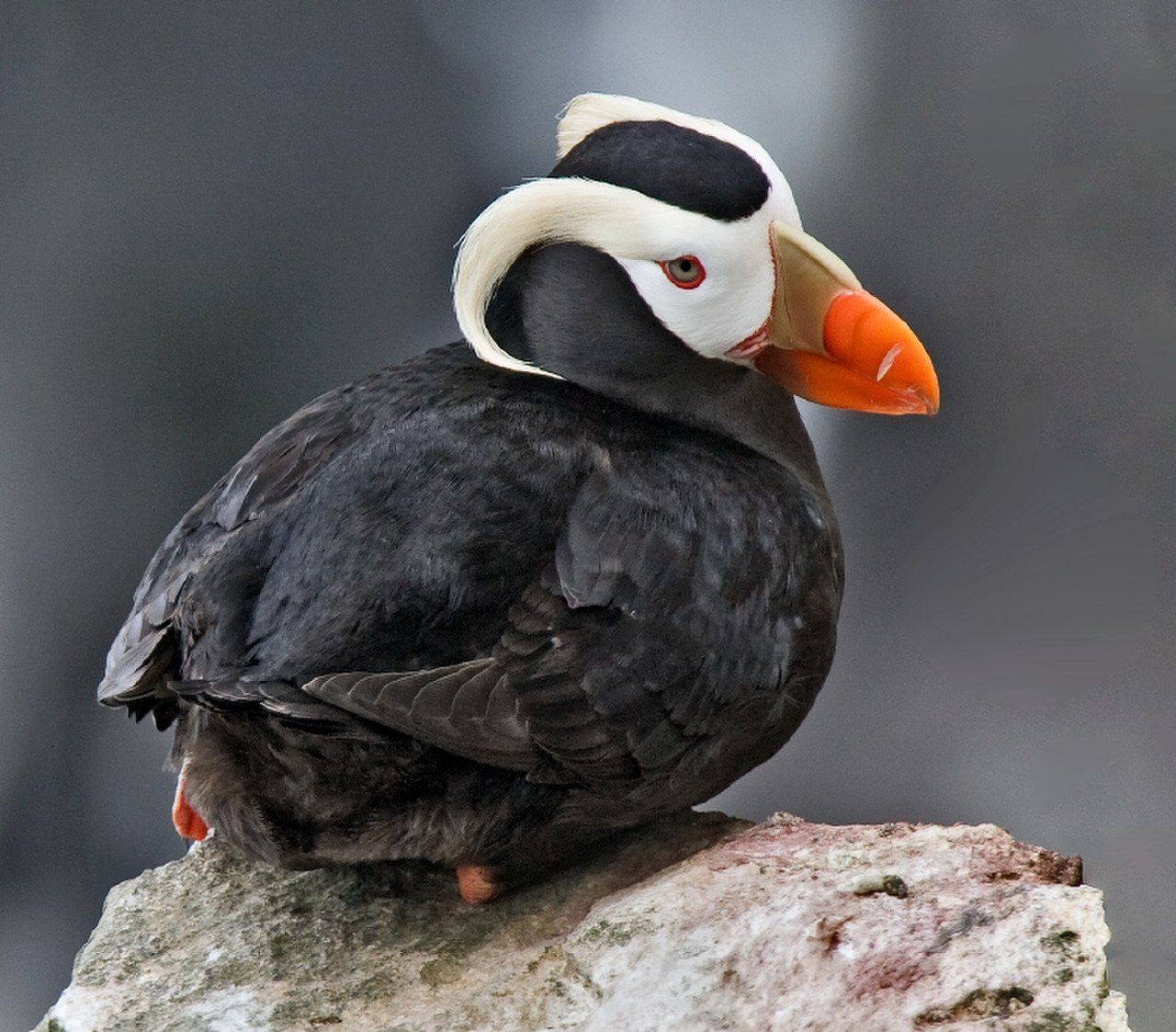
Tufted puffins spend autumn and winter far out at sea, resting on open ocean waves before returning to steep coastal cliffs each spring. Pairs excavate deep burrows in grassy turf or rocky crevices, where both parents share incubating a single egg and raising the chick. Their striking yellow plumes and bright orange bill plates grow annually for the breeding season, shedding back to a dull grey for ocean wintering.
SeabirdPelagicColonial
—observations
—countries
—peak records
Least ConcernConservation statusIUCN Red List categoriesLCNTVUENCREWEXLeast ConcernRed List categories, explained →
Diet & preyPacific Sand Lance, Capelin, Squid
Predators
- Bald Eagles
- Gulls
- Arctic Foxes
ThreatsClimate change, marine pollution, invasive predators on breeding islands, fisheries bycatch
HabitatsCoastal cliffs, offshore islands, open ocean
Life span15–30 years
Classification
- OrderCharadriiformes
- FamilyAlcidae
- GenusFratercula
- SpeciesFratercula cirrhata
N. Pacific
Marine distribution — the ocean basins and seas where the species occurs.
Interaction riskLow
- Low
- Moderate
- High
- Very high
- Why interaction risk is low
- Safe to observe at a normal distance.
- What to notice
- Recognized by dense yellow head plumes, dark bodies, and oversized orange-red bills.
- Support conservation
- Keep clear of island nesting slopes to prevent soil collapse and burrow abandonment.
Responsible observation
- Observe from Boats: View breeding colonies from water tours to avoid disturbing fragile hillside nests.
- Watch the Skies: Look for heavy, fast wingbeats as adults return carrying mouthfuls of fish.
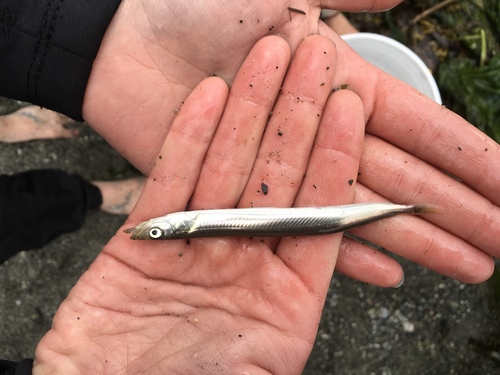
Prey no rights reserved, uploaded by Adam Summers · cc0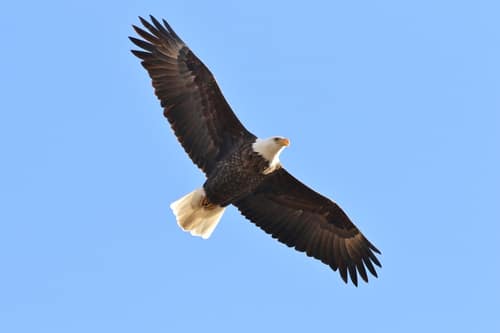
Predator (c) Thibaud Aronson, some rights reserved (CC BY-SA), uploaded by Thibaud Aronson · cc-by-sa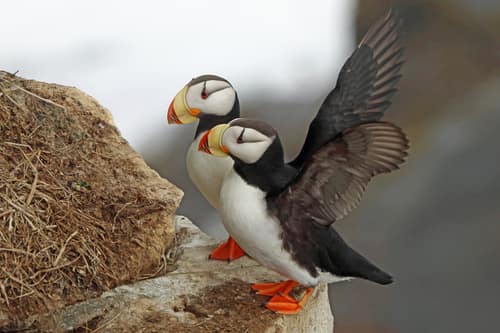
Close Relative (c) Nigel Voaden, some rights reserved (CC BY) · cc-by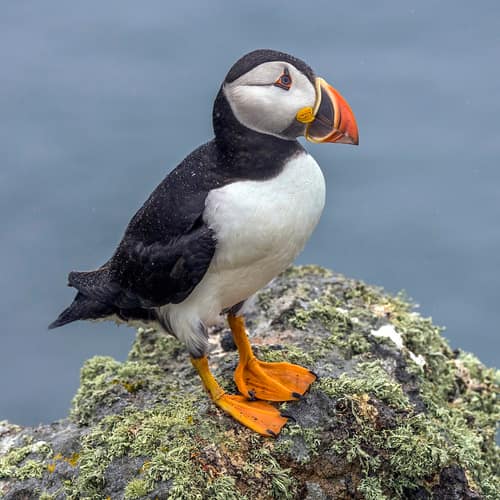
Close Relative Charles J. Sharp / CC BY-SA 4.0 · cc-by-sa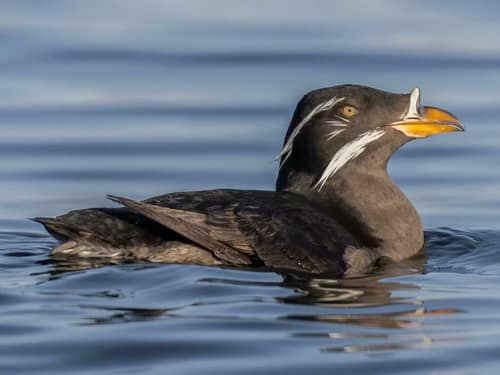
Close Relative no rights reserved, uploaded by Kyle Bowman · cc0
Keep collecting in Fauna
Found in Collections
Species set Pro
Shore Life
Tufted Puffin is found in this collection. Identify it in Fauna to fill this slot and continue your progress.
Unlock to track progress
Help improve the field guideSomething wrong?
Checking your Fauna account…Report a name, category, or profile issue for review.