
Great Black-backed Gull
Larus marinusAlso known as Greater Black-backed Gull, Saddleback, Coffin-bearer
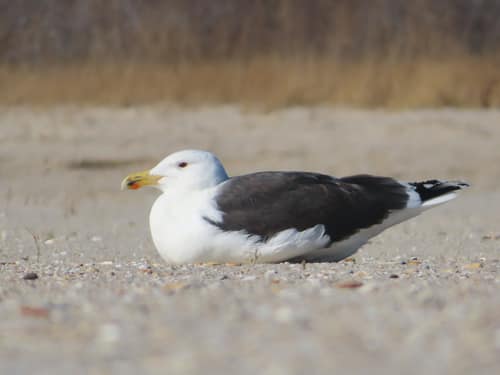
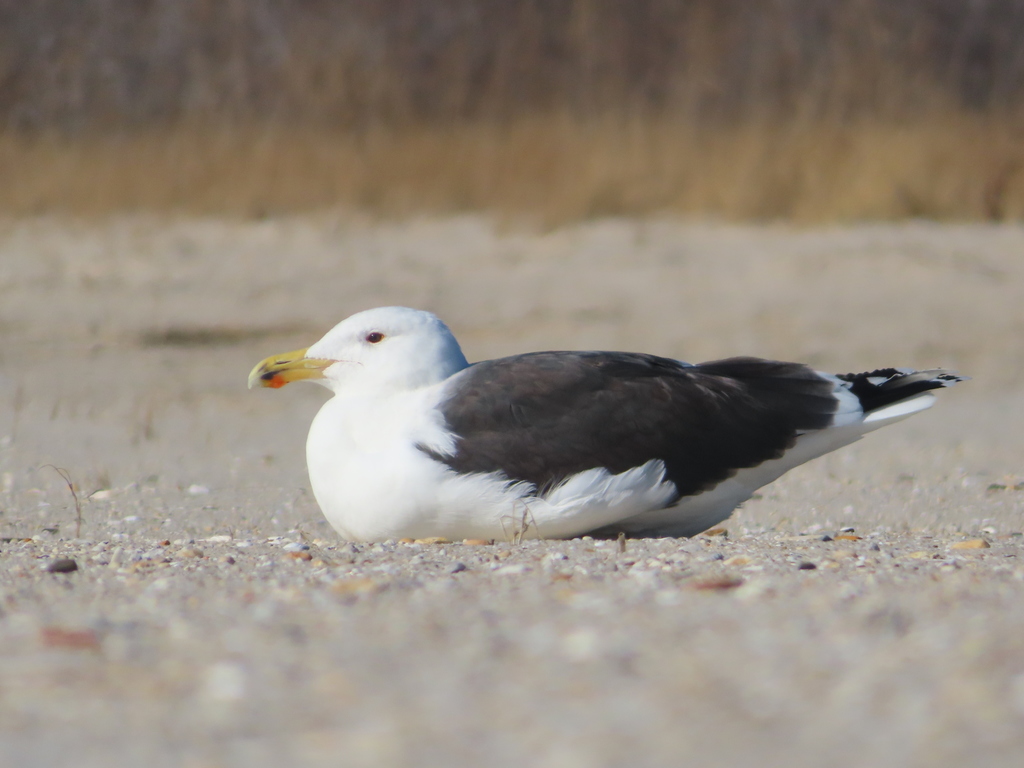
Towering over other coastal birds, the Great Black-backed Gull commands North Atlantic shores as both a dominant apex scavenger and an active predator capable of swallowing adult seabirds and small mammals whole. Mated pairs form monogamous bonds lasting decades, returning reliably to defend the exact same nesting territory against rivals year after year. Deep, resonant barking and laughing calls ring out across rocky bluffs, asserting dominance and coordinating piracy over food caught by smaller gulls and terns.
- Bald Eagle
- White-tailed Eagle
- Red Fox
- OrderCharadriiformes
- FamilyLaridae
- GenusLarus
- SpeciesLarus marinus
- Low
- Moderate
- High
- Very high
- Why interaction risk is low
- May dive-bomb and peck defensively near active nests; maintain a respectful distance.
- Why it is dangerous
- Nesting adults aggressively dive-bomb perceived threats, using their sharp bill and heavy claws to strike heads and faces with substantial force.
- How to recognize a risky encounter
- Massive gull with slate-black upperwings, pale pink legs, and a heavy yellow bill featuring a distinct red gonys spot.
- What to do
- Avoid approaching active nesting grounds on foot, and hold a stick or umbrella overhead if birds begin close-range dive-bombing.
- Colony Etiquette: Keep at least 50 meters away from nesting rocks to prevent aggressive mobbing dives.
- Observation: Scan high harbor structures and rocky jetties where individuals habitually perch alone.
- Waste Disposal: Secure picnic food and trash to prevent conditioning the gulls to human scraps.
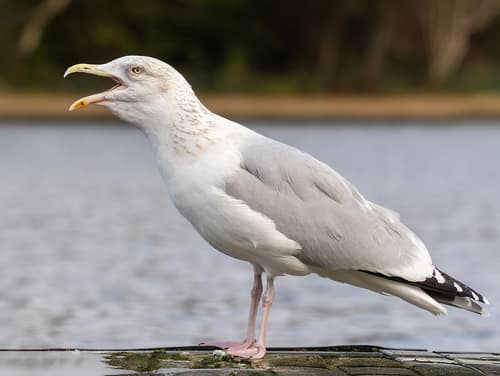
Competitor Rhododendrites / CC BY-SA 4.0 · cc-by-sa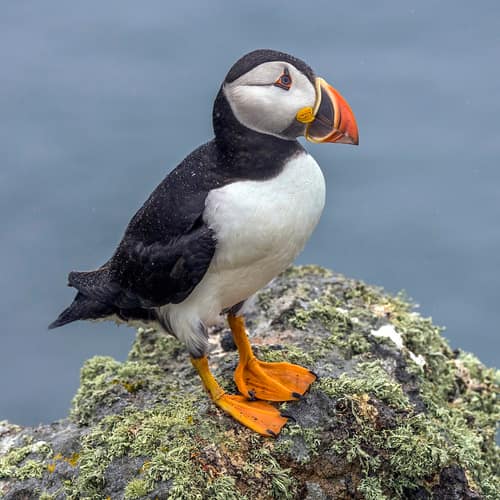
Prey Charles J. Sharp / CC BY-SA 4.0 · cc-by-sa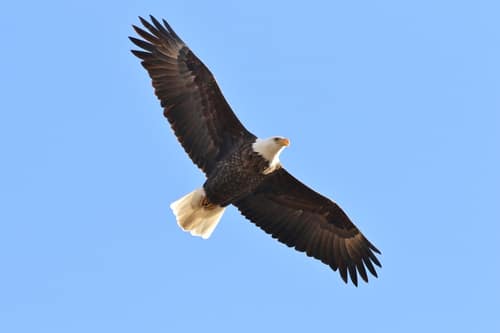
Predator (c) Thibaud Aronson, some rights reserved (CC BY-SA), uploaded by Thibaud Aronson · cc-by-sa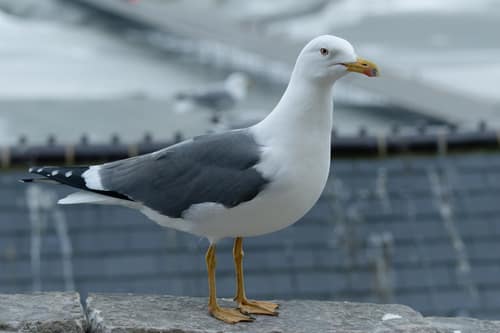
Close Relative (c) Donald Davesne, some rights reserved (CC BY), uploaded by Donald Davesne · cc-by
Found in Collections
Shore Life
Great Black-backed Gull is found in this collection. Identify it in Fauna to fill this slot and continue your progress.
Unlock to track progress
Report a name, category, or profile issue for review.