
Bird
Yellow-footed Gull
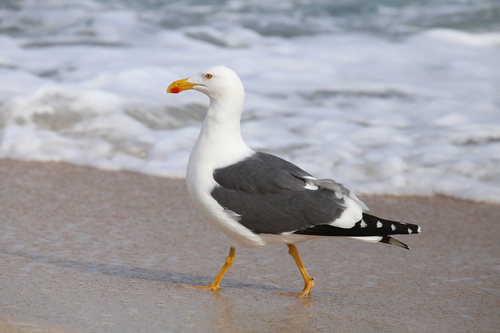
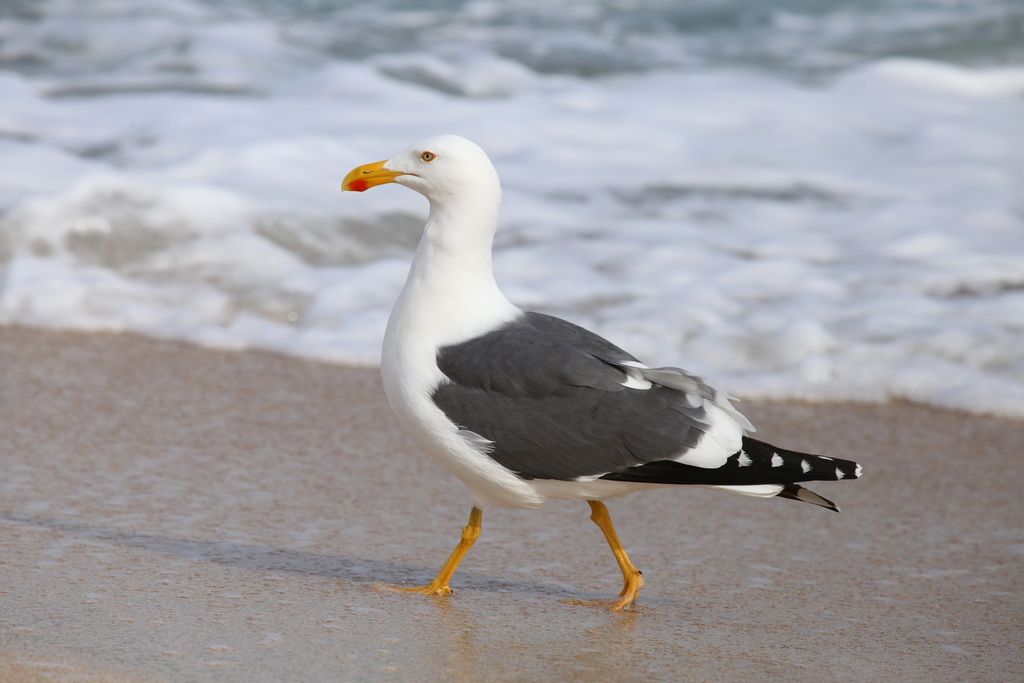
Larus livensYellow-footed Gulls are large, dark-mantled seabirds built for life around the warm waters and arid islands of the Gulf of California. Adults stand out with bright yellow legs, heavy yellow bills marked by a red spot, and deep slate-gray backs, separating them from the closely related Western Gull. Unlike many gulls that pack into dense colonies, pairs often nest singly or in loose clusters along rocky shores, patrolling beaches and seabird rookeries for fish, crabs, and unguarded eggs.
CoastalEndemicOmnivorous
—observations
—countries
—peak records
Least ConcernConservation statusIUCN Red List categoriesLCNTVUENCREWEXLeast ConcernRed List categories, explained →
Diet & preySmall fish, Crabs and mollusks, Seabird eggs and chicks
Predators
- Feral cat
- Coyote
- Common Raven
ThreatsIntroduced island predators, human disturbance at nests, and fishing gear entanglement
HabitatsRocky islands, coastal beaches, tidal flats, and nearshore waters of the Gulf of California
Life span15–20 years in the wild
Classification
- FamilyLaridae
- SpeciesLarus livens
Range data is not available yet.
Interaction riskLow
- Low
- Moderate
- High
- Very high
- Why interaction risk is low
- Safe to observe at a normal distance.
Responsible observation
- Leg Color: Look for bright yellow legs on adults to separate them from pink-legged Western Gulls.
- Nesting Etiquette: Keep well back from rocky island shores in spring so parents do not leave eggs exposed to heat.
- Seasonal Timing: Check the Salton Sea in late summer, when post-breeding birds wander north from the Gulf.
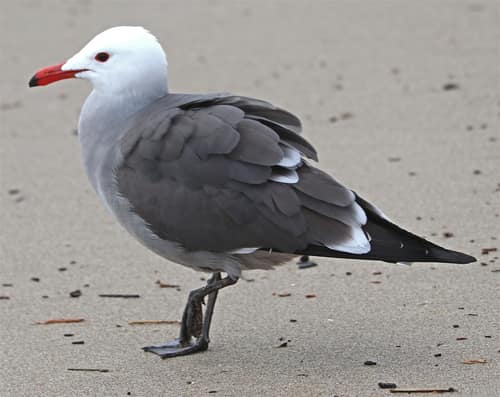
Same Genus (c) David Batchelor, some rights reserved (CC BY), uploaded by David Batchelor · cc-by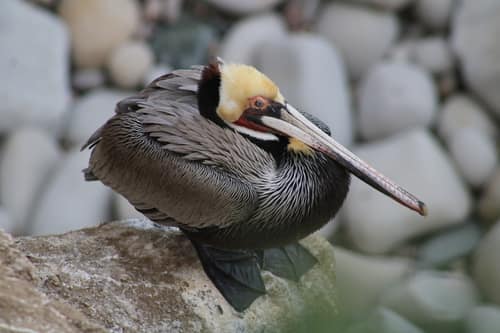
Frequent Companion (c) Henrik Kibak, some rights reserved (CC BY), uploaded by Henrik Kibak · cc-by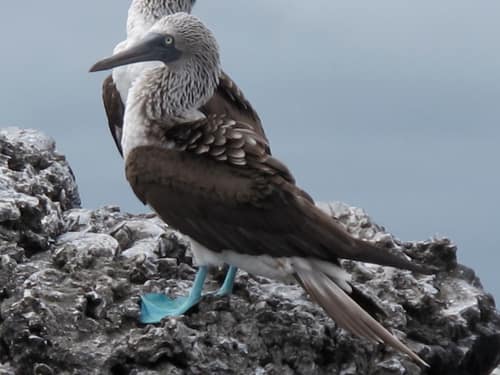
Prey (c) Mikko Koponen, some rights reserved (CC BY) · cc-by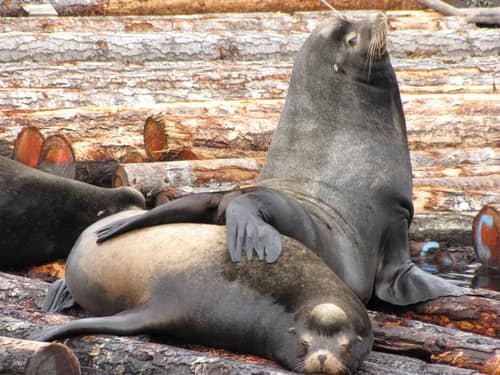
Frequent Companion (c) Liam Steele, some rights reserved (CC BY), uploaded by Liam Steele · cc-by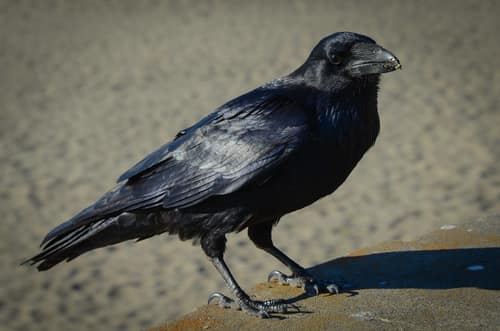
Competitor "Common Raven (Corvus corax)" by Franco Folini is licensed under CC BY-SA 2.0. To view a copy of this license, visit https://creativecommons.org/licenses/by-sa/2.0/. · cc-by-sa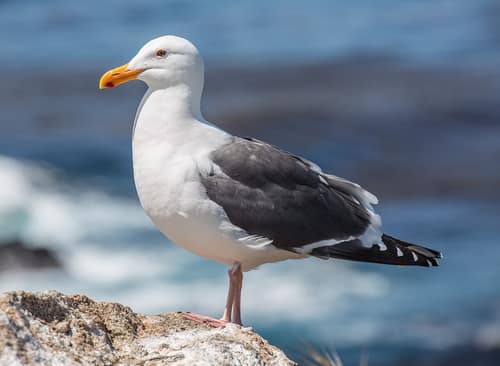
Close Relative Diliff / CC BY-SA 3.0 · cc-by-sa
Keep collecting in Fauna
Found in Collections
Species set Pro
Shore Life
Yellow-footed Gull is found in this collection. Identify it in Fauna to fill this slot and continue your progress.
Unlock to track progress
Help improve the field guideSomething wrong?
Checking your Fauna account…Report a name, category, or profile issue for review.