
Bird · GBIF taxon 9656686
Western Gull
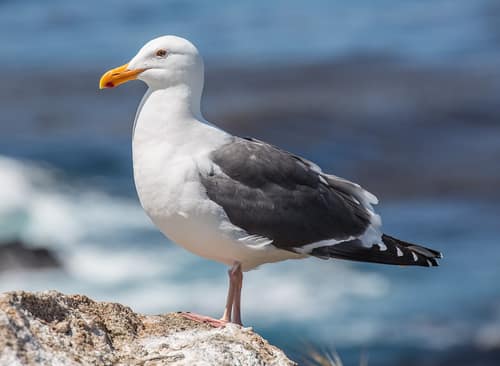
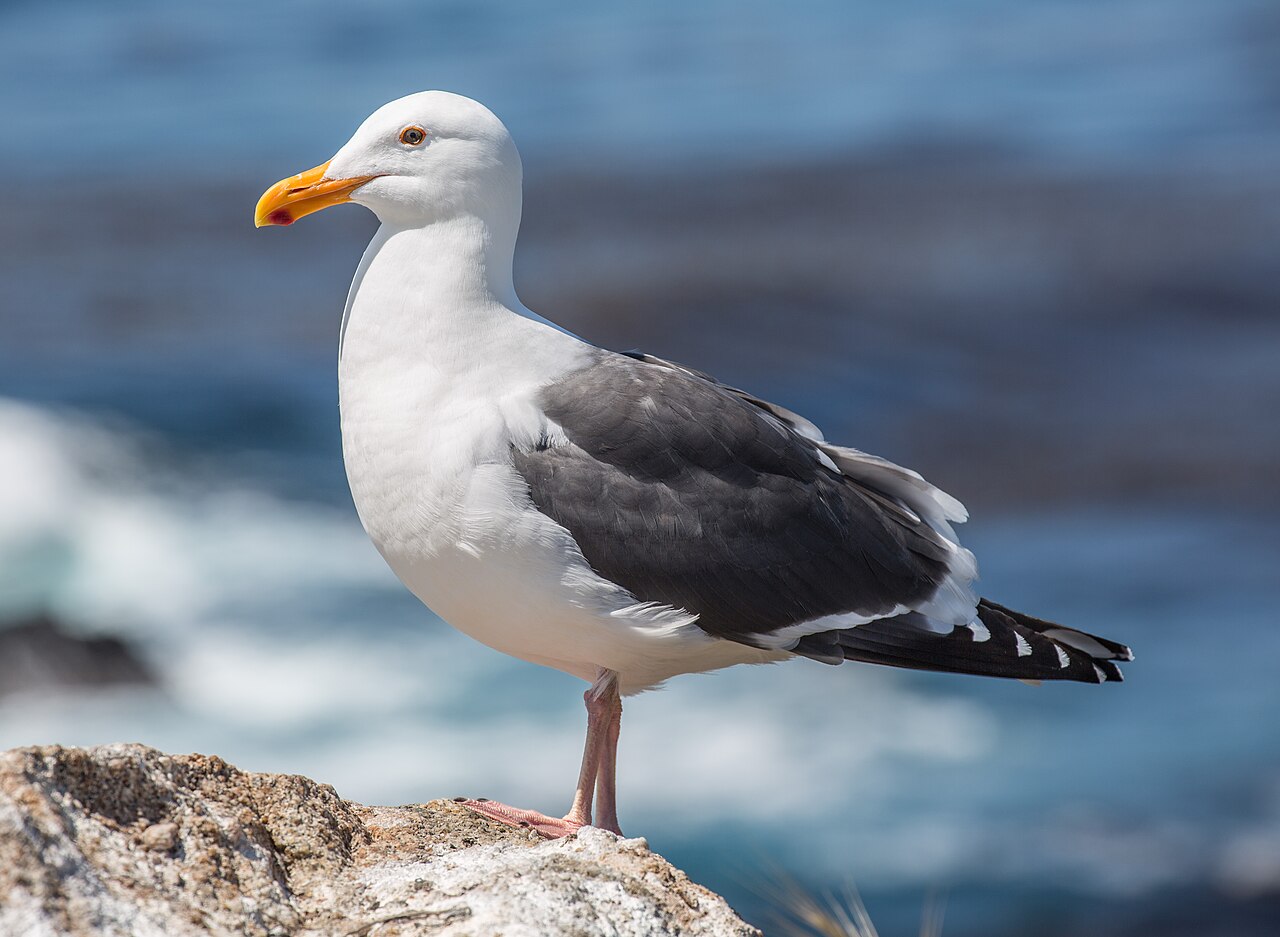
Larus occidentalisWestern gulls dominate the Pacific coastline of North America with heavy, deep-yellow bills and dark slate-grey mantle wings. These opportunistic foragers nest in crowded island colonies, fiercely defending territory with loud, echoing bugling calls and aggressive displays. Breeding pairs form long-term bonds, returning year after year to offshore rocks and sea cliffs from British Columbia down to Baja California.
CoastalSeabirdOpportunistic
—observations
—countries
—peak records
Least ConcernConservation statusIUCN Red List categoriesLCNTVUENCREWEXLeast ConcernRed List categories, explained →
Diet & prey
- Anchovies
- Sea Urchins
- Clams
Predators
- Bald Eagle
- Peregrine Falcon
- Coyote
ThreatsPlastic pollution, oil spills, habitat disturbance, climate change affecting prey
HabitatsCoastal beaches, rocky shores, estuaries, offshore islands, urban harbors
Life span15–25 years
Size / weightNot available
Classification
- OrderCharadriiformes
- FamilyLaridae
- GenusLarus
- SpeciesLarus occidentalis
Range data is not available yet.
Interaction riskLow
- Low
- Moderate
- High
- Very high
- Why interaction risk is low
- Can aggressively dive-bomb or peck if approached near nesting sites or food; keep a safe distance.
- Why it is dangerous
- Nesting gulls dive-bomb intruders at high speeds and strike with heavy bills or sharp talons to defend eggs and chicks.
- How to recognize a risky encounter
- Look for dark slate-grey mantle wings, pink feet, and a heavy yellow bill with a prominent red spot on the lower mandible.
- What to do
- Keep at least 20 meters clear of active nesting areas, and hold an umbrella or raised hand above your head if dive-bombed.
Responsible observation
- Maintain Nest Distance: Give nesting colonies on sea cliffs and rooftops a wide berth to avoid dive-bombing adults.
- Avoid Feeding: Never feed gulls directly, as handouts habituate birds to human presence and increase conflict.
- Secure Trash: Ensure food waste in coastal areas is covered to prevent plastic ingestion and nuisance scavenging.
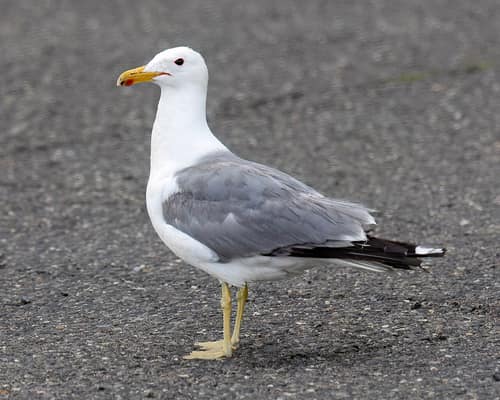
Competitor Polinova / CC BY-SA 4.0 · cc-by-sa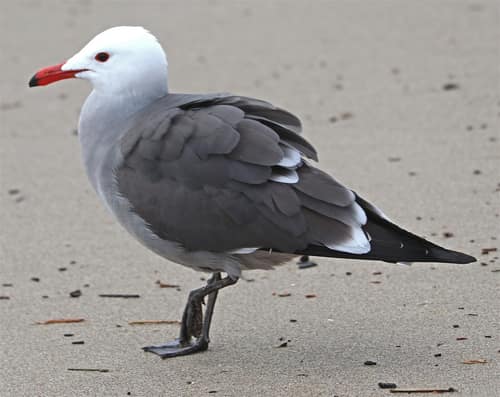
Coastal Neighbor (c) David Batchelor, some rights reserved (CC BY), uploaded by David Batchelor · cc-by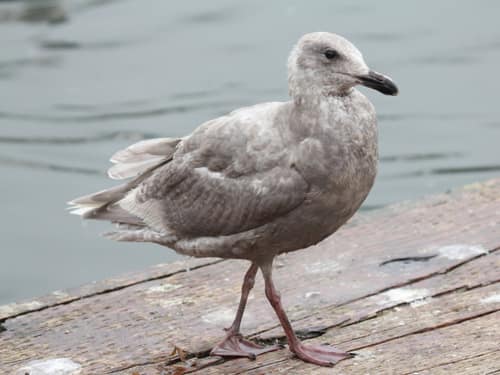
Hybridizing Relative (c) DickDaniels, some rights reserved (CC BY-SA) · cc-by-sa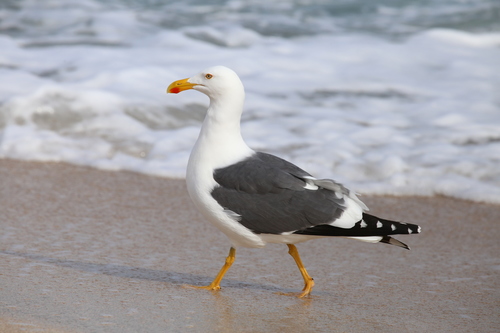
Close Relative (c) Laura Gaudette, some rights reserved (CC BY), uploaded by Laura Gaudette · cc-by
Keep collecting in Fauna
Found in Collections
Species set Pro
Shore Life
Western Gull is found in this collection. Identify it in Fauna to fill this slot and continue your progress.
Unlock to track progress
Help improve the field guideSomething wrong?
Checking your Fauna account…Report a name, category, or profile issue for review.