
Bird · GBIF taxon 5229158
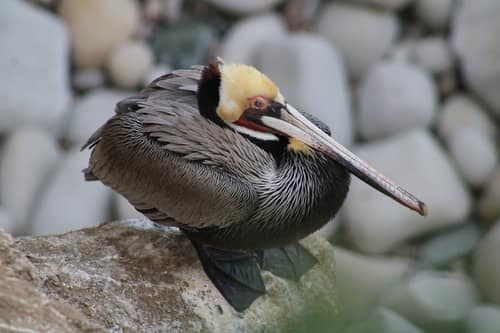
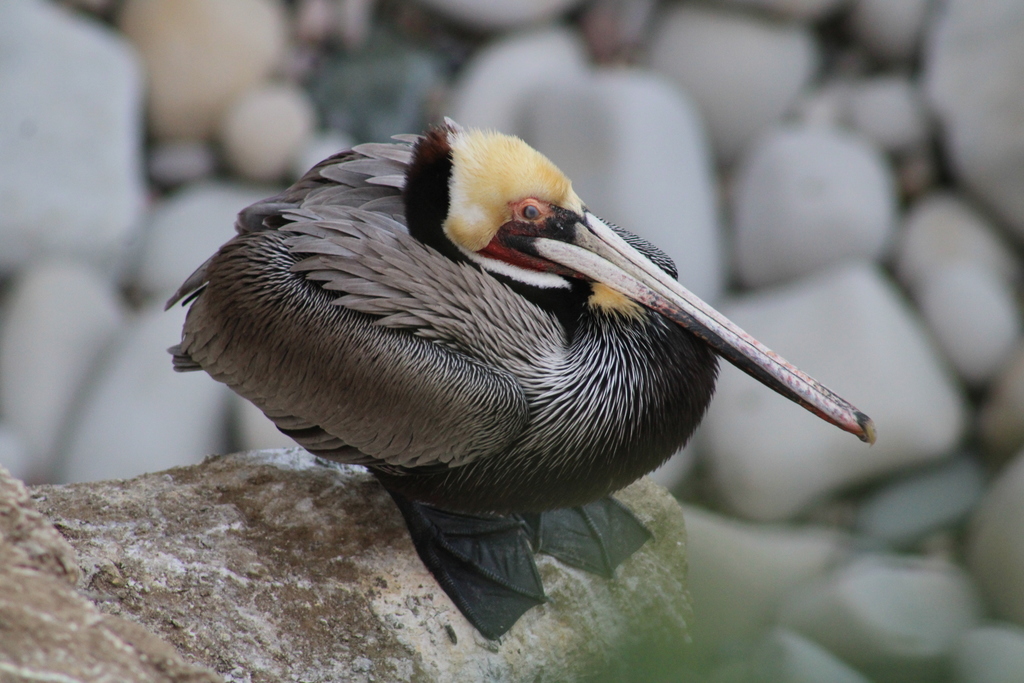
Brown Pelican
Pelecanus occidentalisAlso known as American Brown Pelican
Brown pelicans dive headfirst into coastal ocean waters from heights up to 20 meters, using expanded gular pouches like scoop nets to trap schools of fish. Groups fly in disciplined V-formations or long single-file lines just inches above wave crests to conserve energy through ground effect. Once severely threatened by pesticide pollution, these iconic seabirds now thrive along temperate and tropical American shores.
CoastalSeabirdPlunge Diver
 1 / 7
1 / 7—observations
—countries
—peak records
Least ConcernConservation statusIUCN Red List categoriesLCNTVUENCREWEXLeast ConcernRed List categories, explained →
Diet & prey
- Menhaden
- Anchovies
- Herring
Predators
- Coyotes
- Bald Eagles
- Sharks
ThreatsEntanglement in discarded fishing gear, oil spills, and coastal development
HabitatsCoastal oceans, bays, estuaries, mangroves, and sandy beaches
Life span15–30 years
Classification
- OrderPelecaniformes
- FamilyPelecanidae
- GenusPelecanus
- SpeciesPelecanus occidentalis
Range data is not available yet.
Interaction riskLow
- Low
- Moderate
- High
- Very high
- Why interaction risk is low
- Hooked bill can snap forcefully if cornered or handled; observe from a safe distance.
- What to notice
- Recognized by dense aggregations of adults building stick nests in coastal mangroves or on low sandy islands.
- Support conservation
- Maintain a respectful distance of at least 100 meters from active breeding colonies and avoid landing on nesting islands.
Responsible observation
- Observe Dives: Watch shallow bays and ocean surf for steep plunge dives from up to 20 meters high.
- Dispose of Tackle: Keep fishing line and hooks secured, as discarded gear frequently entangles pelicans.
- Respect Colony Islands: Keep boats at least 100 meters away from offshore nesting cays to prevent panic and nest abandonment.
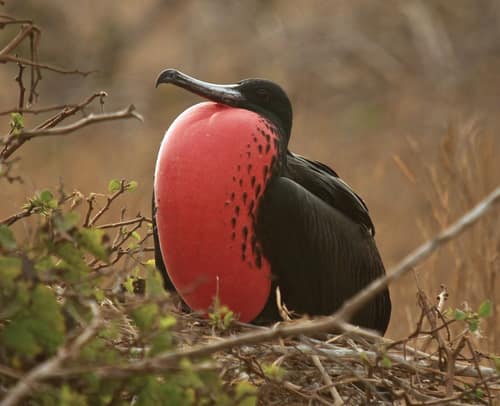
Kleptoparasite Andrew Turner from Washington, DC, United States / CC BY 2.0 · cc-by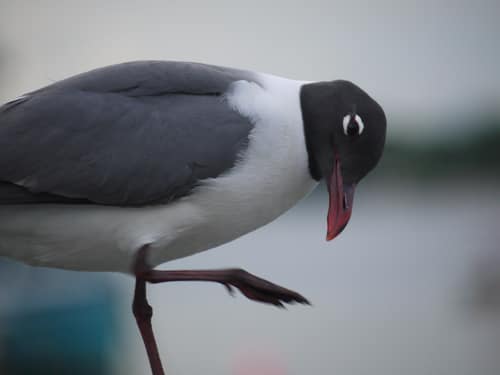
Competitor "Laughing Gull" by grongar is licensed under CC BY 2.0. To view a copy of this license, visit https://creativecommons.org/licenses/by/2.0/. · cc-by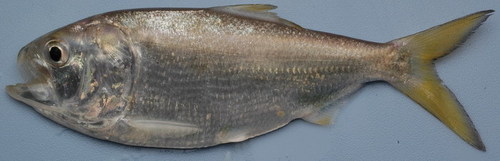
Primary Prey (c) Adam Cohen, some rights reserved (CC BY), uploaded by Adam Cohen · cc-by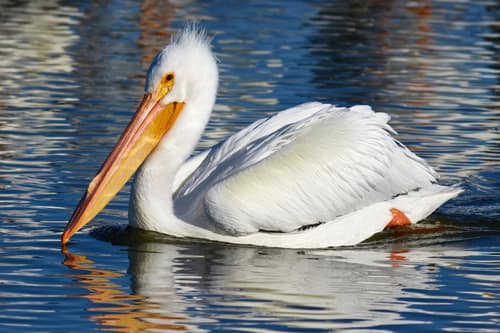
Close Relative (c) Frank Schulenburg, some rights reserved (CC BY-SA) · cc-by-sa
Help improve the field guideSomething wrong?
Checking your Fauna account…Report a name, category, or profile issue for review.