
Bird · GBIF taxon 2481127
Glaucous Gull
Larus hyperboreusAlso known as Burgomaster, Large White-winged Gull
Glaucous gulls rule the Arctic skies as formidable apex predators, easily distinguished by their massive size and ghostly, pale plumage that lacks any black wingtips. These powerful birds patrol coastlines and nesting colonies, often bullying other seabirds to steal their catch or preying directly on their chicks and eggs. During the harsh northern winters, they migrate southward to ice-free coastal waters, harbors, and even inland landfills.
ArcticPredatorySeabird
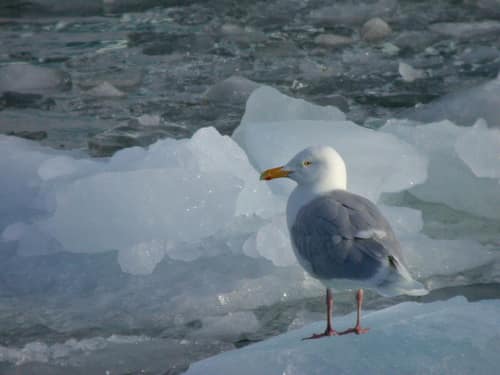
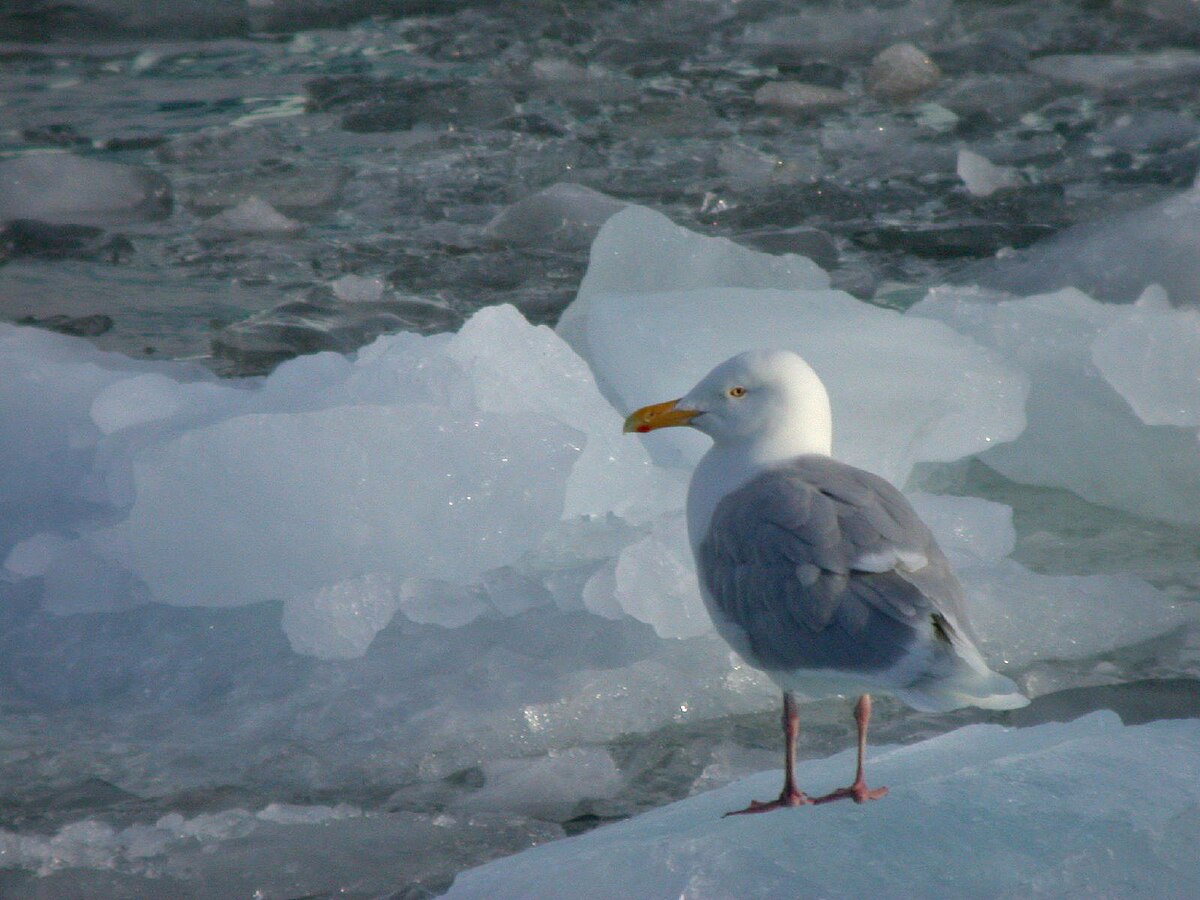
Licensed referenceAlastair Rae from London, UK / CC BY-SA 2.0 · cc-by-sa
—observations
—countries
—peak records
Least ConcernConservation statusIUCN Red List categoriesLCNTVUENCREWEXLeast ConcernRed List categories, explained →
Diet & prey
- Fish
- Seabird Eggs
- Marine Invertebrates
Predators
- Arctic Fox
- Polar Bear
- Bald Eagle
ThreatsClimate change, marine pollution, oil spills, and heavy metal bioaccumulation
HabitatsArctic tundra, rocky sea cliffs, coastal beaches, and winter harbors
Life span15 to 20 years
Size / weightNot available
Classification
- FamilyLaridae
- SpeciesLarus hyperboreus
Range data is not available yet.
Interaction riskLow
- Low
- Moderate
- High
- Very high
- Why interaction risk is low
- Capable of delivering a powerful bite if cornered or handled; observe from a respectful distance.
Responsible observation
- Scan the flock: Look for their exceptionally pale, translucent wingtips among darker-winged gulls in winter harbors.
- Keep your distance: Avoid approaching nesting colonies on cliffs, as parents will aggressively dive-bomb intruders.
- Watch feeding frenzies: Observe how their sheer size allows them to easily bully smaller gulls away from food.
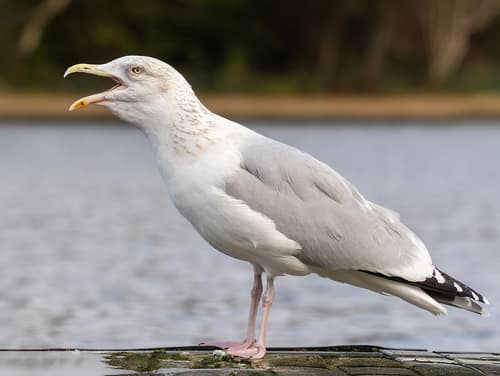
Competitor Rhododendrites / CC BY-SA 4.0 · cc-by-sa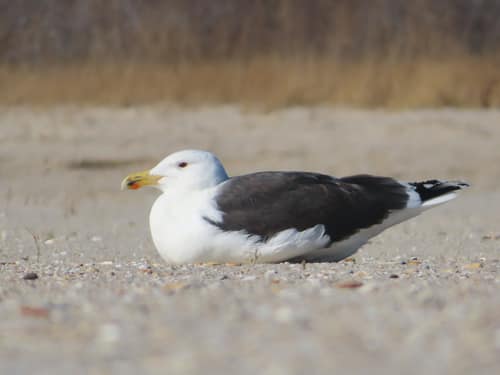
Close Relative (c) Mila C., some rights reserved (CC BY), uploaded by Mila C. · cc-by Image unavailable
Close Relative 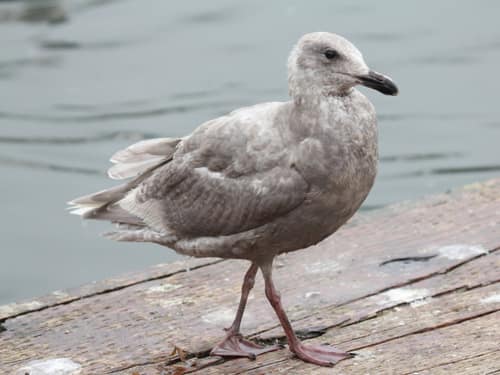
Close Relative (c) DickDaniels, some rights reserved (CC BY-SA) · cc-by-sa
Help improve the field guideSomething wrong?
Checking your Fauna account…Report a name, category, or profile issue for review.