
Bird · GBIF taxon 2480888
Reddish Egret
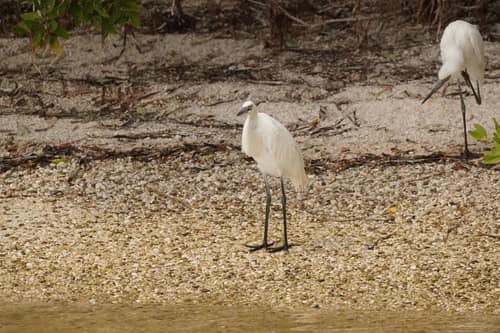
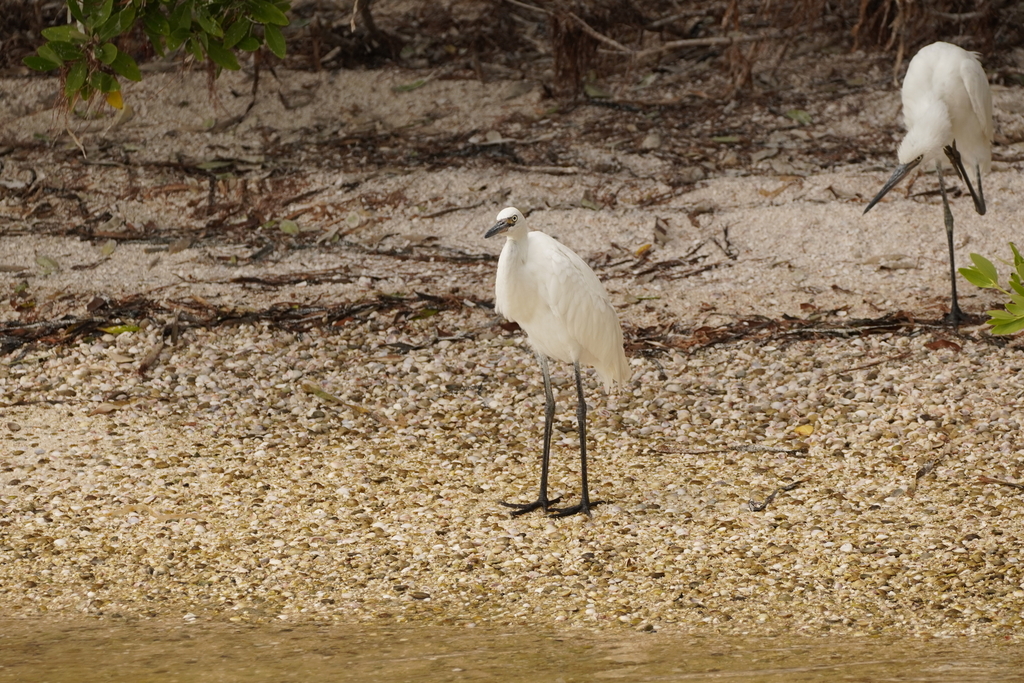
Egretta rufescensReddish egrets are dynamic foragers on coastal mudflats and shallow lagoons, famous for their active hunting style where they sprint, stagger, and spread their wings to shade the water surface. They occur in two distinct color morphs, with the dark morph displaying a shaggy rust-colored head and slate-blue body, while the rare white morph is entirely snowy. Highly specialized in their habitat requirements, these energetic waders rely on undisturbed shallow marine wetlands to hunt small schooling fish.
CoastalActive ForagerWading Bird
—observations
—countries
—peak records
Near ThreatenedConservation statusIUCN Red List categoriesLCNTVUENCREWEXNear ThreatenedRed List categories, explained →
Diet & prey
- Killifish
- Sheepshead minnows
- Fiddler crabs
Predators
- Raccoons
- Owls
- Crows
ThreatsCoastal development, disturbance at nest sites, sea level rise
HabitatsCoastal mudflats, shallow lagoons, salt marshes, mangrove islands
Life span10–12 years in the wild
Size / weightNot available
Classification
- FamilyArdeidae
- SpeciesEgretta rufescens
Range data is not available yet.
Interaction riskLow
- Low
- Moderate
- High
- Very high
- Why interaction risk is low
- Safe to observe at a normal distance.
- What to notice
- Look for a shaggy reddish-pink head paired with a grey body, or an all-white plumage, performing erratic chases in shallow saltwater.
- Support conservation
- Watch through binoculars or a spotting scope from established trails or boats, never approaching nesting keys or feeding birds directly.
Responsible observation
- Observe Foraging: Watch shallow mudflats during low tide to see their distinctive canopy-feeding dance.
- Keep Back: Stay well away from coastal nesting islands during spring and summer to avoid disturbing breeding pairs.
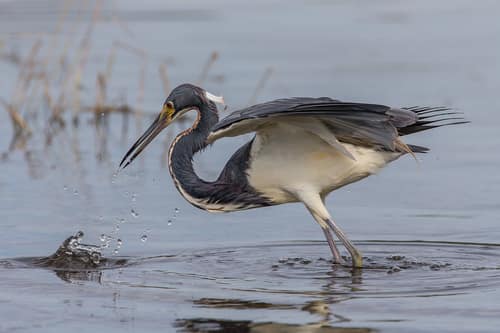
Frequent Companion "Tricolored Heron" by Andy Morffew is licensed under CC BY 2.0. To view a copy of this license, visit https://creativecommons.org/licenses/by/2.0/. · cc-by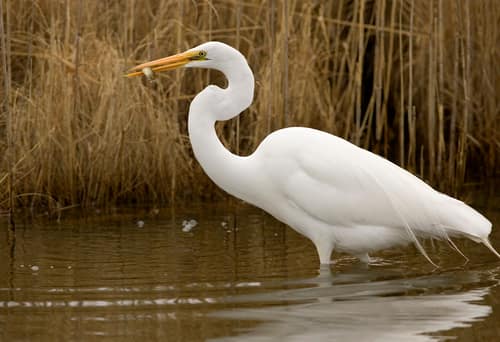
Co-habitant "Photo of the Week - Great Egret at Chincoteague National Wildlife Refuge" by U. S. Fish and Wildlife Service - Northeast Region is marked with Public Domain Mark 1.0. To view the terms, visit https://creativecommons.org/publicdomain/mark/1.0/. · cc0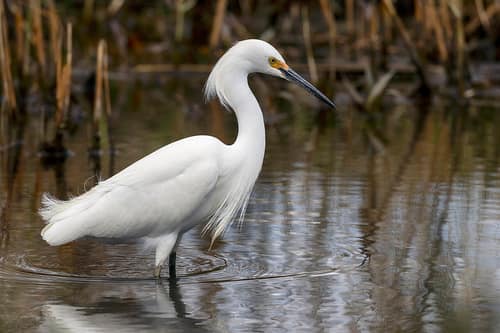
Close Relative Chuck Homler d/b/a Focus On Wildlife / CC BY-SA 4.0 · cc-by-sa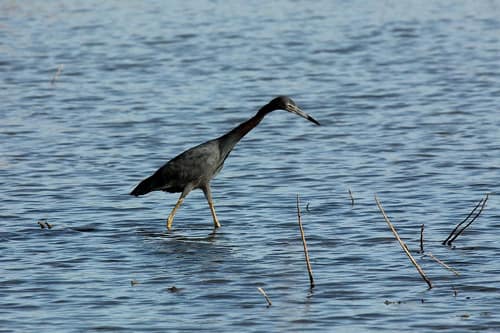
Close Relative "Birds - Little Blue Heron by William Powell" by U.S. Fish & Wildlife Service Southwest Region is marked with Public Domain Mark 1.0. To view the terms, visit https://creativecommons.org/publicdomain/mark/1.0/. · cc0
Help improve the field guideSomething wrong?
Checking your Fauna account…Report a name, category, or profile issue for review.