
Great Egret
Ardea albaAlso known as Common Egret, Large Egret, Great White Egret, Great White Heron
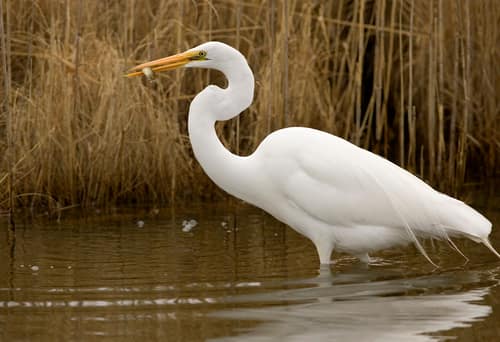
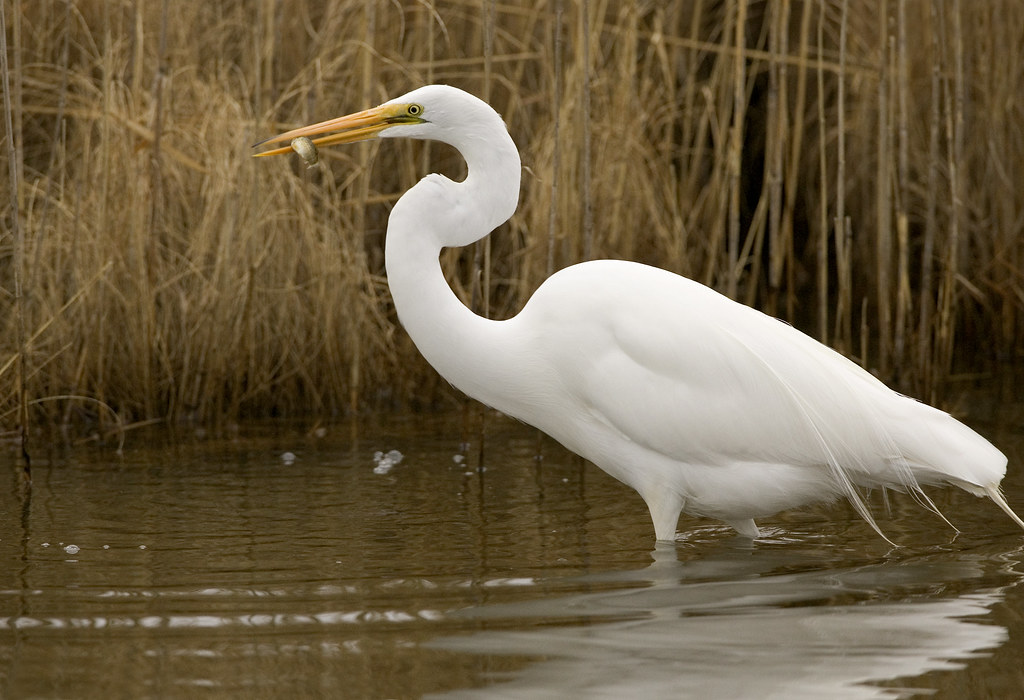
Great Egrets wade slowly through shallow waters or stand motionless for long stretches, stalking fish with extraordinary patience before striking with a lightning-fast neck extension. During the spring breeding season, adults develop delicate, lace-like dorsal plumes called aigrettes and bright lime-green facial skin between the bill and eye. Nesting in crowded communal heronries alongside other wading birds, parents share incubation duties and regurgitate fish directly into the gaping bills of their chicks.
- American Alligator
- Bald Eagle
- Raccoon
- OrderPelecaniformes
- FamilyArdeidae
- GenusArdea
- SpeciesArdea alba
- Low
- Moderate
- High
- Very high
- Why interaction risk is low
- Delivers a powerful strike with its sharp bill if cornered; observe from a safe distance.
- Why it is dangerous
- Equipped with a long, dagger-like bill that can deliver powerful lunges toward eyes and faces when cornered.
- How to recognize a risky encounter
- Distinguished by all-white plumage, a long yellow bill, and dark black legs and feet.
- What to do
- Never approach an injured bird closely without eye protection; contact a licensed wildlife rehabilitator.
- What to notice
- Nesting sites appear as dense congregations of large white birds in island tree canopies or reed beds near water.
- Support conservation
- Maintain a distance of at least 100 meters from active colonies and use binoculars or long lenses for observation.
- Patience at Water's Edge: Stay quiet near marsh edges to watch their slow, calculated hunting strikes.
- Nesting Etiquette: Give heronries a wide berth during spring to prevent nest abandonment.
- Key Identification: Look for yellow bills and black legs, distinguishing them from smaller white egrets.
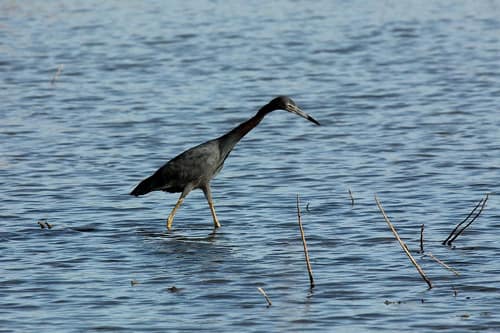
Wetland Companion "Birds - Little Blue Heron by William Powell" by U.S. Fish & Wildlife Service Southwest Region is marked with Public Domain Mark 1.0. To view the terms, visit https://creativecommons.org/publicdomain/mark/1.0/. · cc0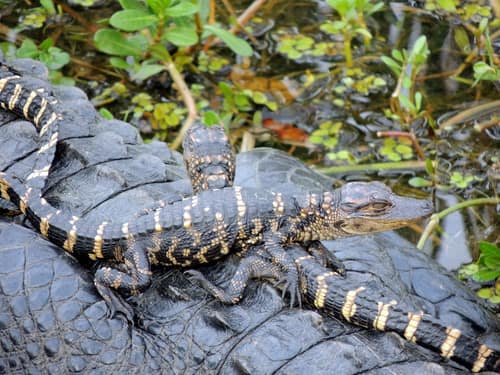
Predator no rights reserved, uploaded by Vijay Barve · cc0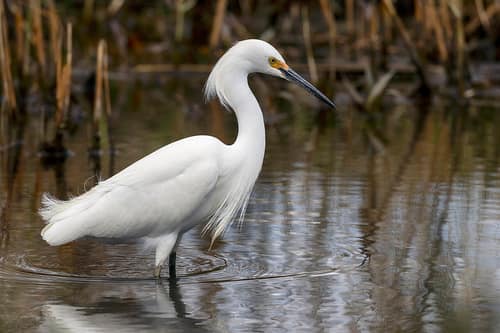
Close Relative Chuck Homler d/b/a Focus On Wildlife / CC BY-SA 4.0 · cc-by-sa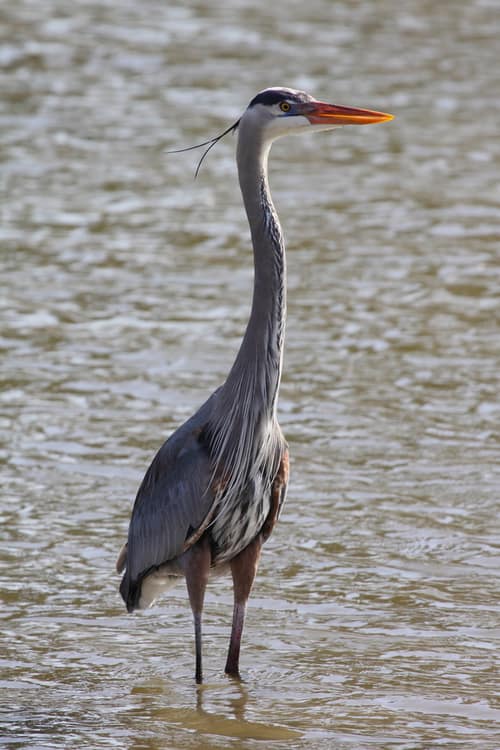
Close Relative (c) Basar, some rights reserved (CC BY-SA) · cc-by-sa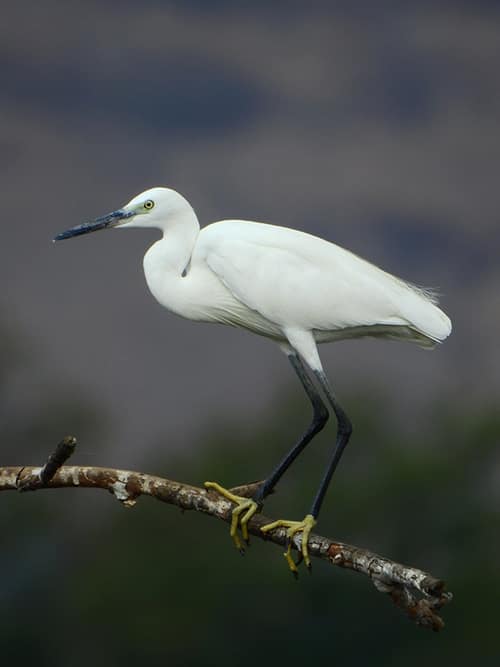
Close Relative Shantanu Kuveskar / CC BY-SA 4.0 · cc-by-sa
Found in Collections
Wetland Territory
Great Egret is found in this collection. Identify it in Fauna to fill this slot and continue your progress.
Report a name, category, or profile issue for review.