
Bird · GBIF taxon 2480389
Griffon Vulture
Gyps fulvusAlso known as Eurasian Griffon Vulture, Eurasian Griffon, Old World Griffon Vulture
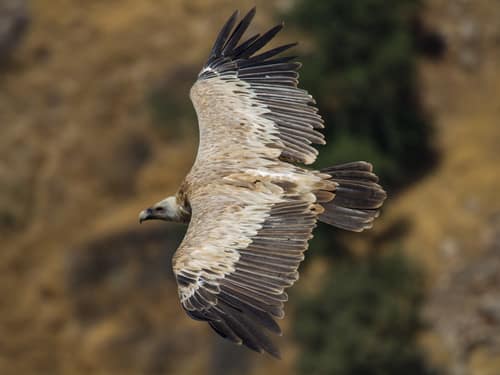
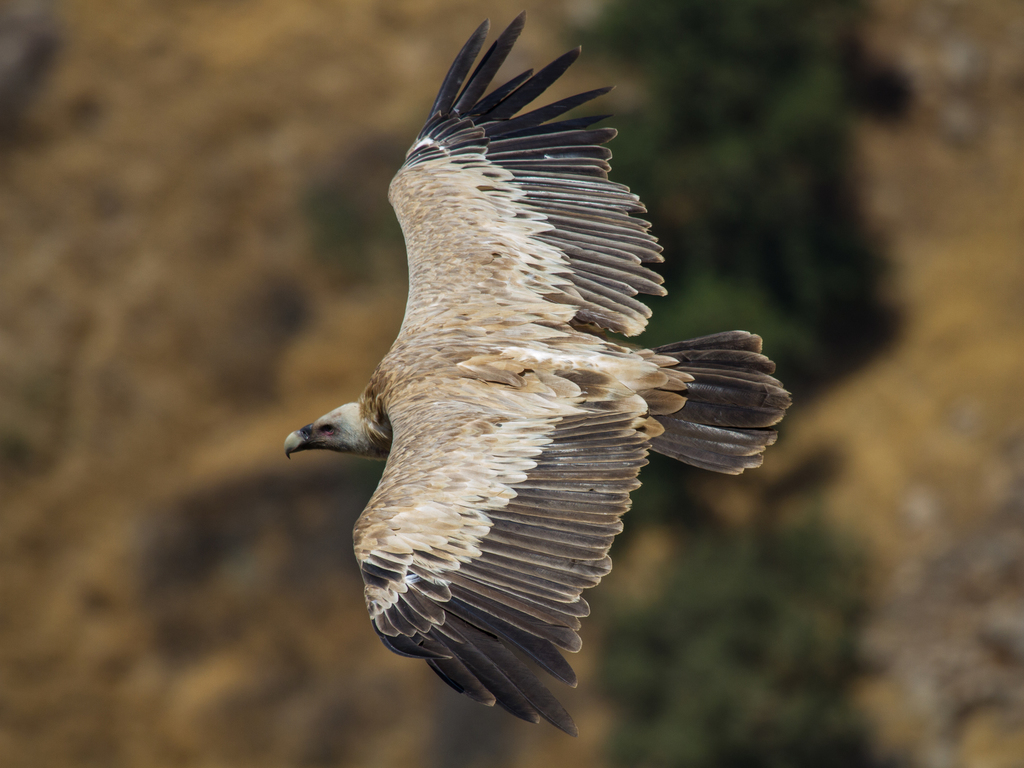
Eurasian griffon vultures are massive scavengers that ride thermal currents across open plains and rugged mountain ranges in search of large carcasses. They nest colonially on sheer rock faces, building bulky stick platforms where pairs raise a single chick each year. By rapidly consuming fallen livestock and wild ungulates, these long-lived birds perform a vital ecological service by containing the spread of disease.
ScavengerSoaringColonial
—observations
—countries
—peak records
Least ConcernConservation statusIUCN Red List categoriesLCNTVUENCREWEXLeast ConcernRed List categories, explained →
Diet & prey
- Livestock Carcasses
- Wild Ungulate Carcasses
- Carrion
Predators
- Golden Eagle
- Eurasian Eagle-Owl
ThreatsPoisoning from NSAIDs and lead, collisions with power lines and wind turbines
HabitatsMountains, cliffs, canyons, open grasslands, and shrublands
Life span30–40 years
Size / weightNot available
Classification
- FamilyAccipitridae
- SpeciesGyps fulvus
Range data is not available yet.
Interaction riskHigh
- Low
- Moderate
- High
- Very high
- Why interaction risk is high
- Capable of severe bites if cornered; observe cliff nests and feeding groups from a respectful distance.
- Why it is dangerous
- Possesses a powerful hooked beak and strong talons capable of inflicting deep flesh wounds when cornered.
- How to recognize a risky encounter
- Look for a broad wingspan exceeding two meters, pale buff body plumage, dark flight feathers, and a white neck ruff.
- What to do
- Never approach a grounded or injured bird without professional wildlife rescue equipment.
- What to notice
- Cliffs with prominent white guano streaking under ledges indicate active breeding colonies.
- Support conservation
- Keep at least 300 meters away from nesting cliffs and avoid loud noises below breeding sites.
Responsible observation
- Observation: Look for large groups circling high in thermal updrafts during late morning.
- Distance: Avoid approaching active cliff nesting colonies to prevent disturbing breeding pairs.
- Photography: Use telephoto lenses to photograph roosting birds without flushing them.
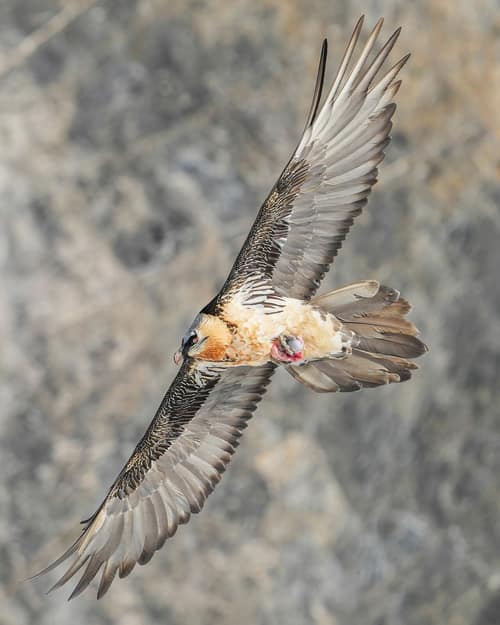
Co-occurring Scavenger Giles Laurent / CC BY-SA 4.0 · cc-by-sa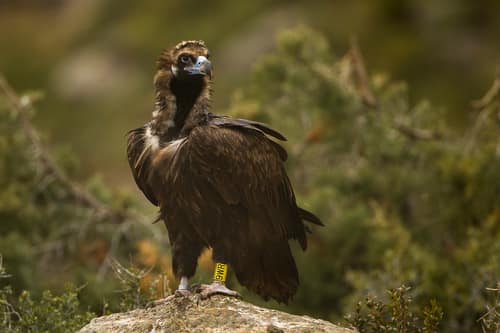
Competitor "Cinereous Vulture - Catalan Pyrenees - Spain_S4E7599" by fveronesi1 is licensed under CC BY-SA 2.0. To view a copy of this license, visit https://creativecommons.org/licenses/by-sa/2.0/. · cc-by-sa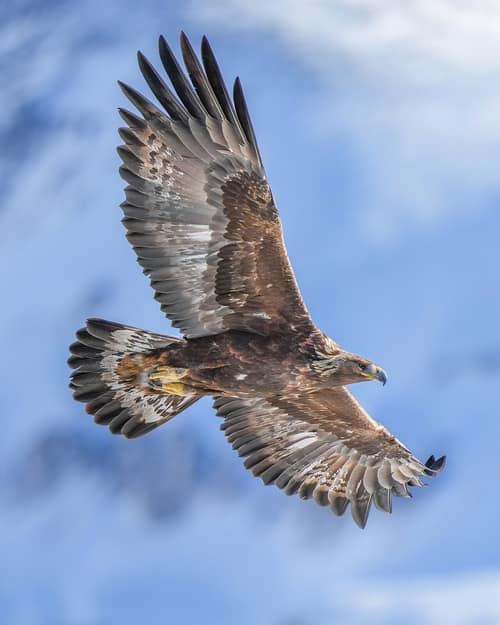
Competitor Giles Laurent / CC BY-SA 4.0 · cc-by-sa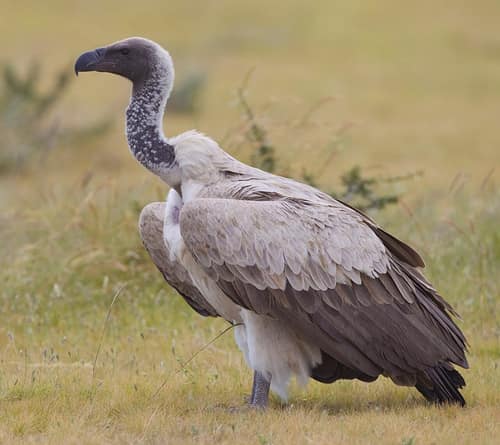
Close Relative Yathin sk / CC BY-SA 3.0 · cc-by-sa
Close Relative (c) Manoj Karingamadathil, some rights reserved (CC BY-SA), uploaded by Manoj Karingamadathil · cc-by-sa
Help improve the field guideSomething wrong?
Checking your Fauna account…Report a name, category, or profile issue for review.