
Bird · GBIF taxon 2474029
Chukar
Alectoris chukarAlso known as Chukar Partridge, Chukor Partridge, Indian Chukar
Chukar partridges thrive on steep, arid hillsides where their vocal calls echo off cliff faces at dawn. When alarmed, these quick-footed birds prefer to sprint uphill rather than fly, saving their explosive downhill flight for escaping persistent predators. Covey groups gather around scarce water sources during dry summer months, displaying striking flank stripes and bold black necklaces.
Upland BirdGamebirdArid Specialist
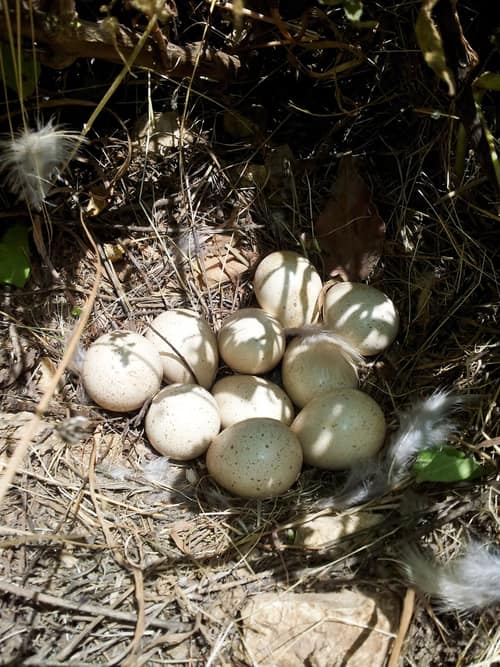
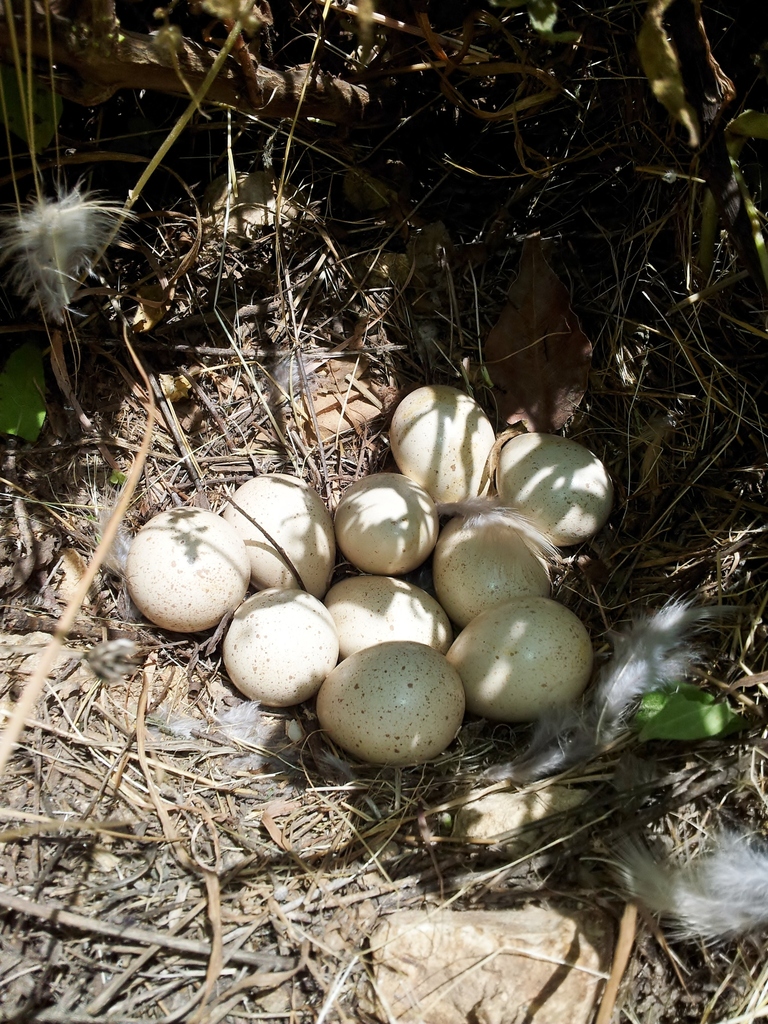 1 / 7
1 / 7—observations
—countries
—peak records
Least ConcernConservation statusIUCN Red List categoriesLCNTVUENCREWEXLeast ConcernRed List categories, explained →
Diet & prey
- Cheatgrass seeds
- Green plant shoots
- Grasshoppers
Predators
- Golden Eagle
- Coyote
- Prairie Falcon
ThreatsSevere winter weather, prolonged drought, localized overhunting
HabitatsArid mountainsides, rocky canyons, sagebrush shrublands
Life span2–5 years
Size / weightNot available
Classification
- FamilyPhasianidae
- SpeciesAlectoris chukar
Range data is not available yet.
Interaction riskLow
- Low
- Moderate
- High
- Very high
- Why interaction risk is low
- Safe to observe at a normal distance.
Responsible observation
- Listening for Calls: Listen for their loud, rhythmic 'chuck-chuck-chukar' echoes echoing across canyons early in the morning.
- Scanning Slopes: Look high up on steep, open hillsides where coveys forage among loose rocks and sagebrush.
- Approach Strategy: Keep distance when viewing coveys uphill, as birds flush downward at extreme speeds when startled.

Predator Giles Laurent / CC BY-SA 4.0 · cc-by-sa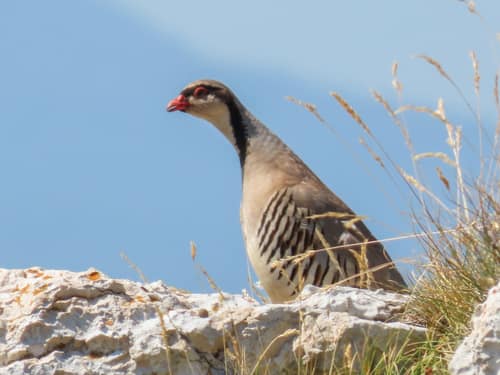
Close Relative (c) Emanuele Santarelli, some rights reserved (CC BY-SA), uploaded by Emanuele Santarelli · cc-by-sa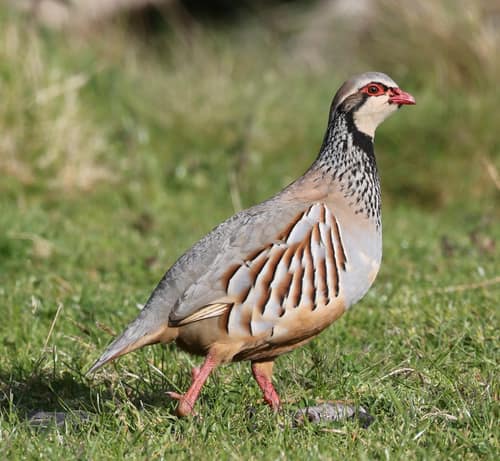
Close Relative (c) Jerry Lanfear, some rights reserved (CC BY), uploaded by Jerry Lanfear · cc-by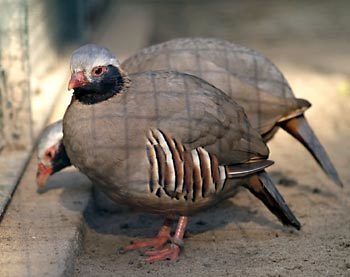
Close Relative (c) de:Benutzer:Der Irbis, some rights reserved (CC BY-SA) · cc-by-sa
Help improve the field guideSomething wrong?
Checking your Fauna account…Report a name, category, or profile issue for review.