Also known as Central African Rock Python, Rock Python
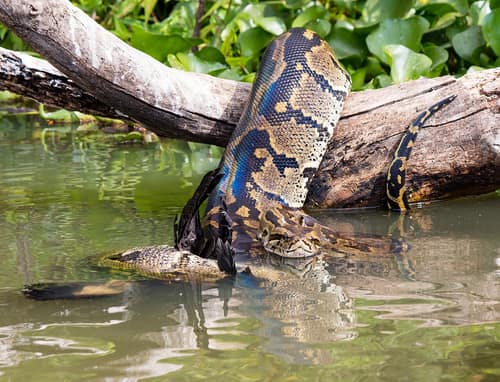
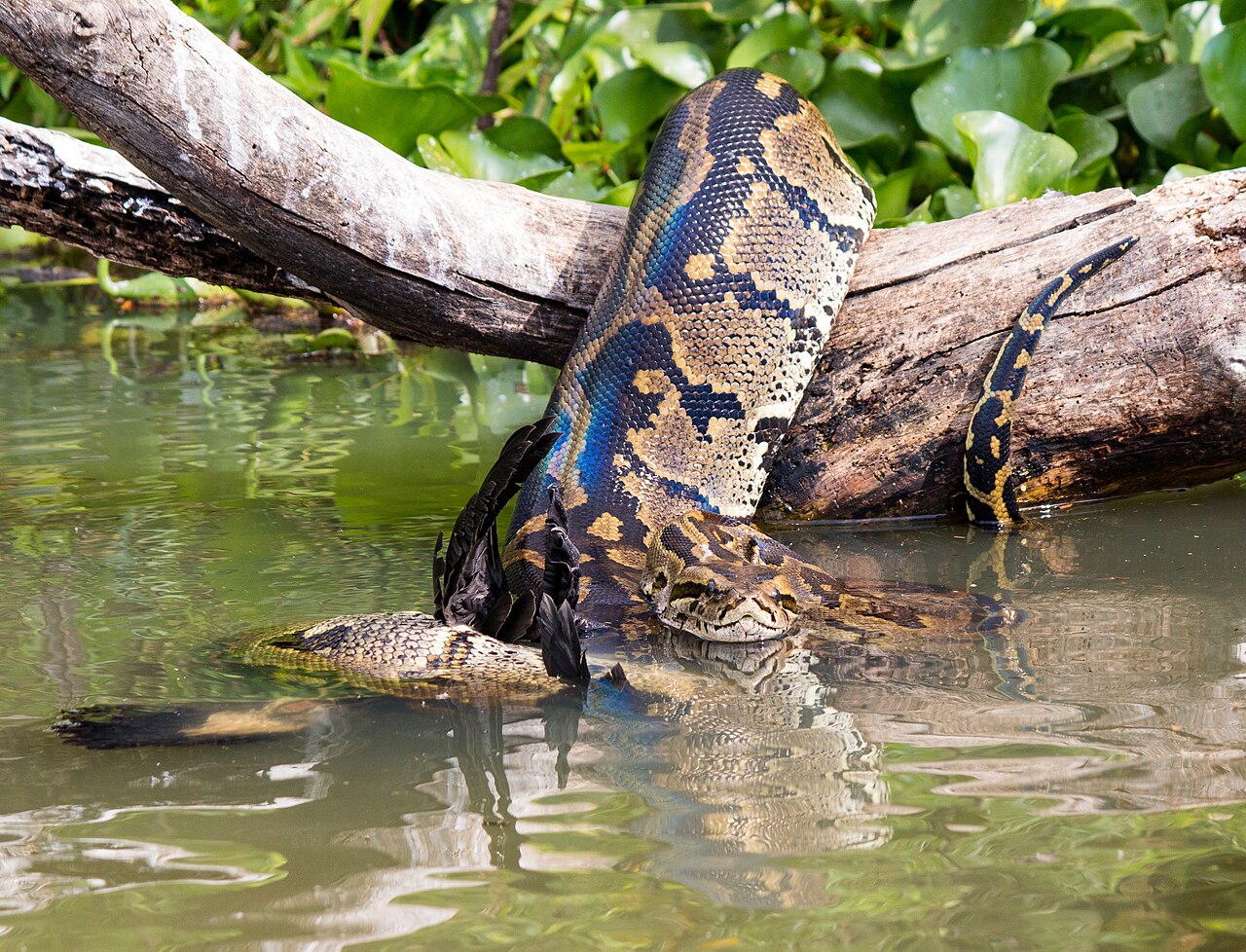
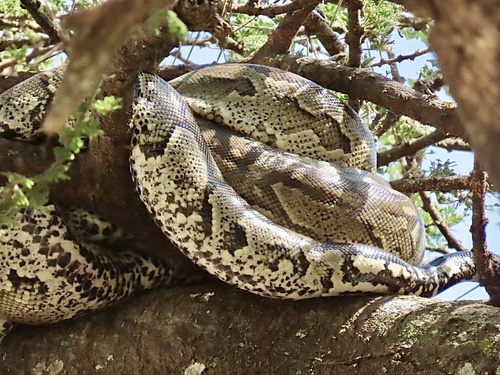
African rock pythons are Africa's largest snakes, formidable predators that rely on immense physical power to constrict prey ranging from rodents to medium-sized antelopes. These highly adaptable reptiles are known for their bold temperament and will readily enter rivers and swamps to hunt or seek refuge. Their beautifully patterned bodies provide exceptional camouflage among dry grasses and forest leaf litter.
ThreatsHabitat destruction, hunting for the leather trade, and persecution by livestock owners
HabitatsSavannas, forest fringes, grasslands, and semi-deserts near permanent water sources
Life span20 to 30 years
Classification
FamilyPythonidae
SpeciesPython sebae
Range & activity
Native
Safe observation
Interaction riskHigh
Low
Moderate
High
Very high
Why interaction risk is high
Capable of delivering a severe defensive bite and constricting large prey; maintain a safe distance.
Why it is dangerous
While non-venomous, their massive size and backward-curved teeth can inflict deep, easily infected lacerations, and large individuals are physically capable of overpowering a human.
How to recognize a risky encounter
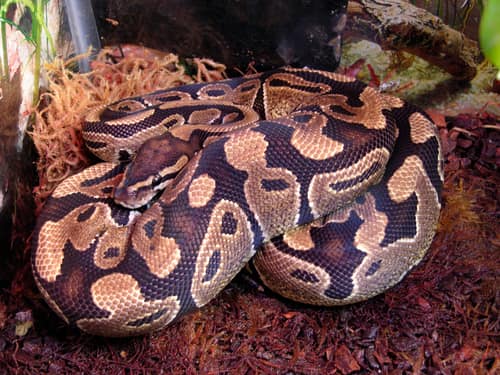
Look for a thick-bodied snake exceeding three meters in length with dark brown and olive blotches, a distinct spearhead marking on the head, and a pale underside.
What to do
Never attempt to handle, corner, or provoke this snake; back away slowly if encountered in the wild.
Responsible observation
Keep Distance: Maintain a distance of at least five meters to avoid triggering a defensive strike.
Watch the Water: Look closely around riverbanks and reed beds where they often lie submerged with only their nostrils exposed.