
Reptile · GBIF taxon 2441341
Nile Crocodile
Crocodylus niloticusAlso known as African Crocodile, Common Crocodile
Nile crocodiles are formidable apex predators that dominate African freshwater ecosystems through ambush hunting and sophisticated social behaviors. Adults gather in loose basking aggregations along sandbanks, maintaining strict dominance hierarchies through head-slaps and body posture. Females display extraordinary maternal care, digging deep nests in soil banks, guarding their eggs for three months, and carrying newly hatched offspring directly into the water in their jaws.
AquaticApex PredatorReptile
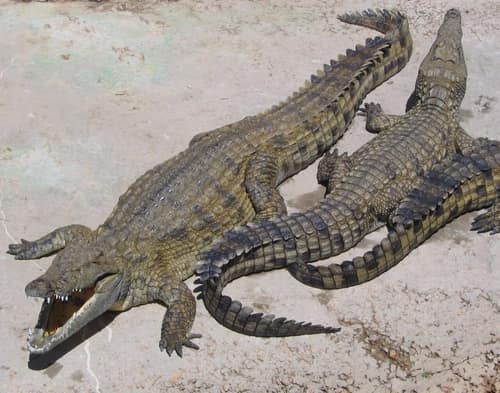
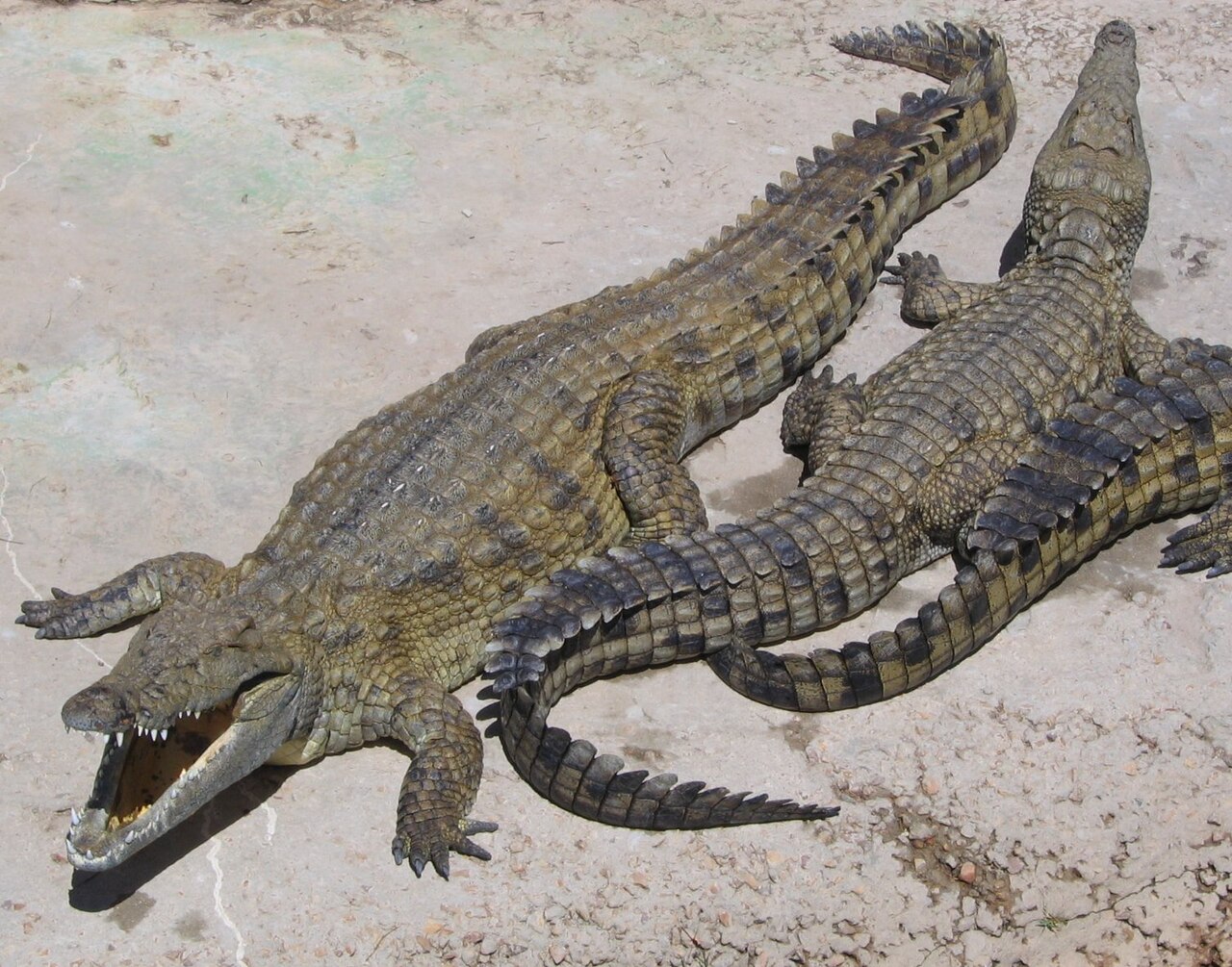
—observations
—countries
—peak records
Least ConcernConservation statusIUCN Red List categoriesLCNTVUENCREWEXLeast ConcernRed List categories, explained →
Diet & prey
- Zebras
- Fish
- Wildebeest
Predators
- Lions
- Hippopotamuses
- Monitor lizards
ThreatsHabitat loss, pollution, poaching for leather, human conflict
HabitatsRivers, lakes, swamps, marshlands, brackish deltas
Life span50–70 years in the wild
Size / weightNot available
Classification
- FamilyCrocodylidae
- GenusCrocodylus
- SpeciesCrocodylus niloticus
Native
Interaction riskHigh
- Low
- Moderate
- High
- Very high
- Why interaction risk is high
- Extremely dangerous apex predator; maintain a distance of at least 20 meters from water edges in crocodile habitat.
- Why it is dangerous
- Possesses immense jaw crushing force and swimming speeds capable of overpowering large prey and humans instantly.
- How to recognize a risky encounter
- Look for dark olive scaly skin, a broad triangular snout, and eyes projecting just above the water line.
- What to do
- Never approach water edges in crocodile territory and stay inside secure vehicles or platforms.
Responsible observation
- Safe Distance: Maintain at least 20 meters from murky water edges where crocodiles lurk unseen.
- Observation: Use binoculars or telephoto lenses from elevated riverbanks or safe safari boats.
- Timing: Avoid visiting riverbanks during crepuscular hours when hunting activity peaks.
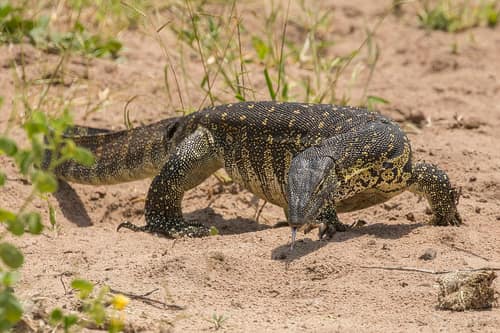
Egg Predator Charles J. Sharp / CC BY-SA 4.0 · cc-by-sa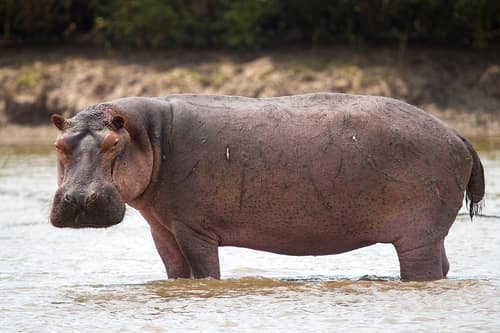
Competitor Muhammad Mahdi Karim / CC BY-SA 4.0 · cc-by-sa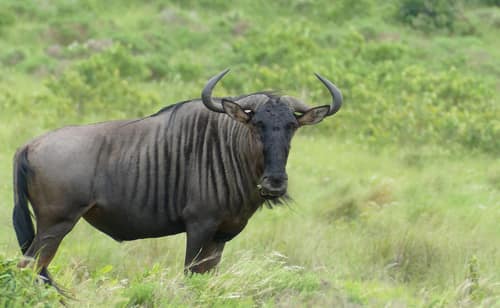
Prey Bernard Dupont / CC BY-SA 2.0 · CC BY-SA 2.0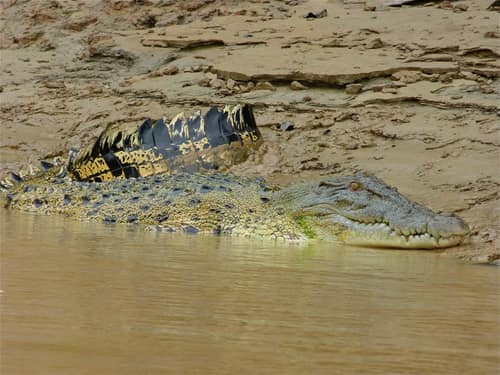
Close Relative (c) Bernard DUPONT, some rights reserved (CC BY-SA) · cc-by-sa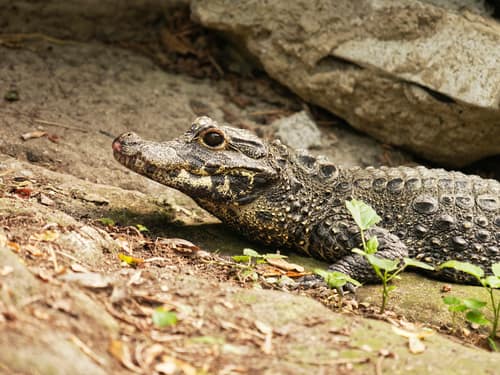
Close Relative (c) Eric de Redelijkheid, some rights reserved (CC BY-SA) · cc-by-sa
Keep collecting in Fauna
Found in Collections
Ecosystem chain
Wetland Territory
Nile Crocodile is found in this collection. Identify it in Fauna to fill this slot and continue your progress.
—/12
Help improve the field guideSomething wrong?
Checking your Fauna account…Report a name, category, or profile issue for review.