
Reptile · GBIF taxon 2459646
Desert Iguana
Dipsosaurus dorsalisAlso known as Northern Desert Iguana
Desert iguanas are exceptionally heat-tolerant reptiles that emerge during the hottest hours of late morning when most other desert life retreats to the shade. They sprint across scalding sands on their hind legs to forage on bright yellow creosote bush blossoms and tender spring leaves. When threatened, these pale, brown-spotted lizards dart into abandoned kangaroo rat burrows or inflate their bodies inside rock crevices to wedge themselves firmly out of reach.
DiurnalHerbivorousHeat Tolerant
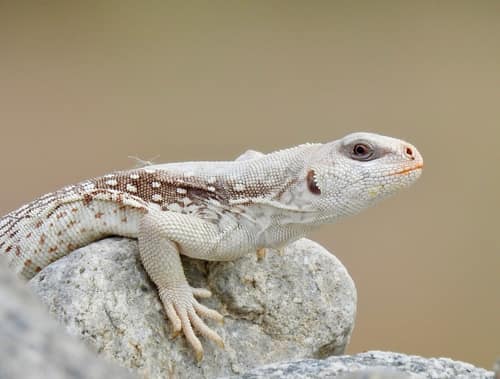
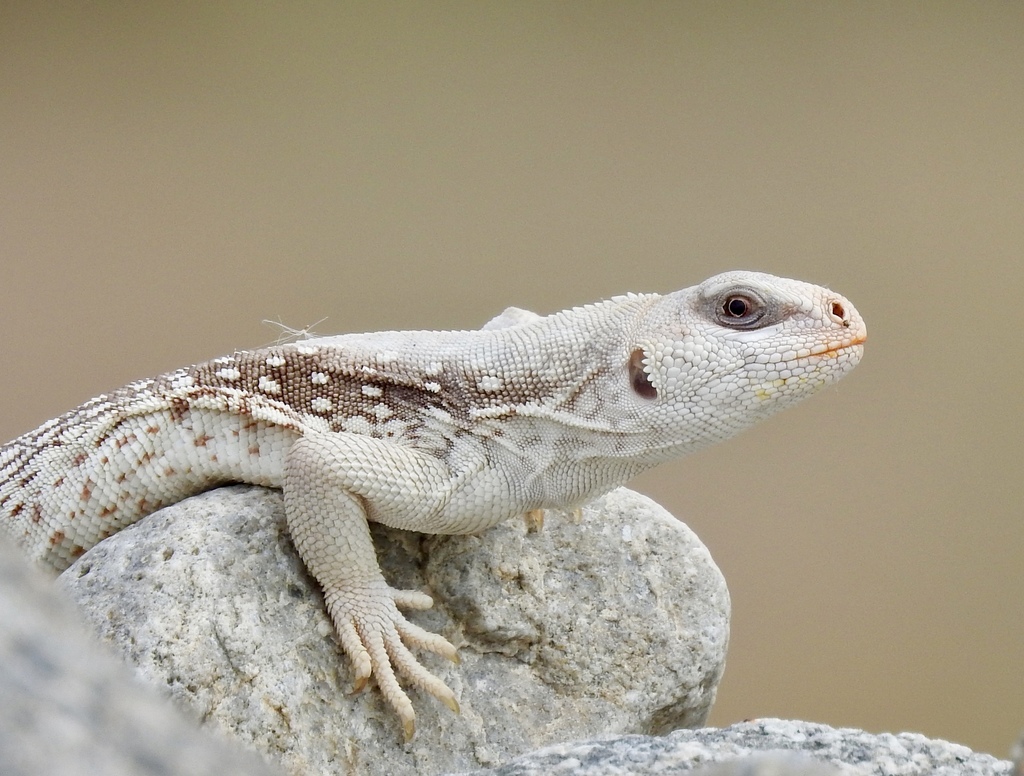
—observations
—countries
—peak records
Least ConcernConservation statusIUCN Red List categoriesLCNTVUENCREWEXLeast ConcernRed List categories, explained →
Diet & prey
- Creosote Blossoms
- Perennial Leaves
- Desert Fruit
Predators
- Red-tailed Hawks
- Coachwhip Snakes
- Coyotes
ThreatsHabitat loss, off-road vehicle impact, road mortality
HabitatsCreosote scrub, sandy desert washes, dunes, arid flats
Life span7–12 years
Size / weightNot available
Classification
- FamilyIguanidae
- SpeciesDipsosaurus dorsalis
Range data is not available yet.
Interaction riskLow
- Low
- Moderate
- High
- Very high
- Why interaction risk is low
- Safe to observe at a normal distance.
Responsible observation
- Basking Hours: Look for them atop small rocks or mounds near creosote bushes during warm late mornings.
- Approach Slowly: Move calmly and quietly, as sudden movements cause them to bolt into nearby burrows.
- Creosote Connection: Check flowering creosote bushes where these lizards frequently climb to feed on yellow blooms.
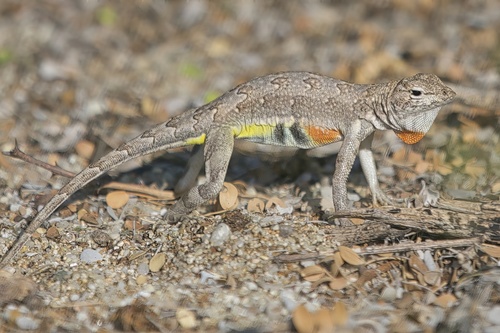
Frequent Companion (c) Bill Levine, some rights reserved (CC BY) · cc-by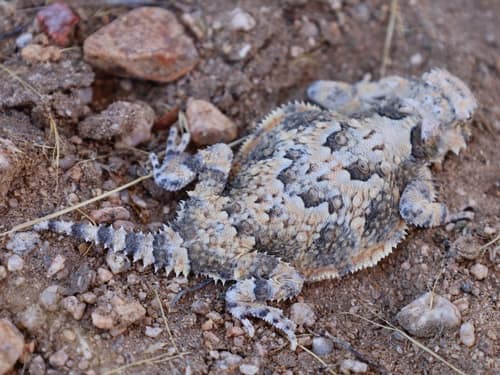
Desert Neighbor (c) Roberto Daniel Avila, some rights reserved (CC BY), uploaded by Roberto Daniel Avila · cc-by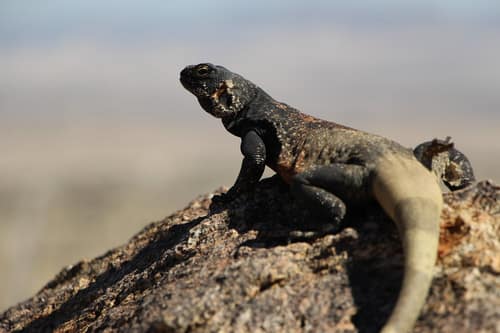
Co-occurring Relative "Male Common Chuckwalla" by Joshua Tree National Park is marked with Public Domain Mark 1.0. To view the terms, visit https://creativecommons.org/publicdomain/mark/1.0/. · cc0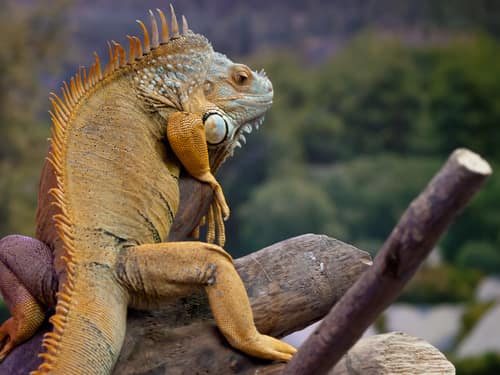
Family Member "Green Iguana" by wwarby is licensed under CC BY 2.0. To view a copy of this license, visit https://creativecommons.org/licenses/by/2.0/. · cc-by
Help improve the field guideSomething wrong?
Checking your Fauna account…Report a name, category, or profile issue for review.