
Reptile · GBIF taxon 2459705
Common Chuckwalla
Sauromalus aterAlso known as Northern Chuckwalla, Desert Chuckwalla
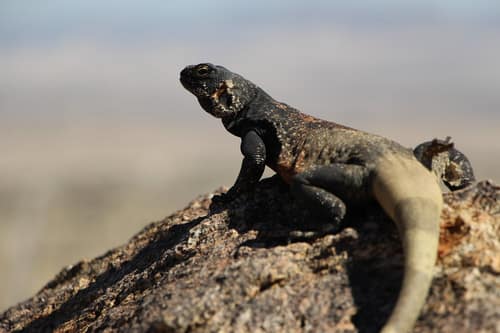
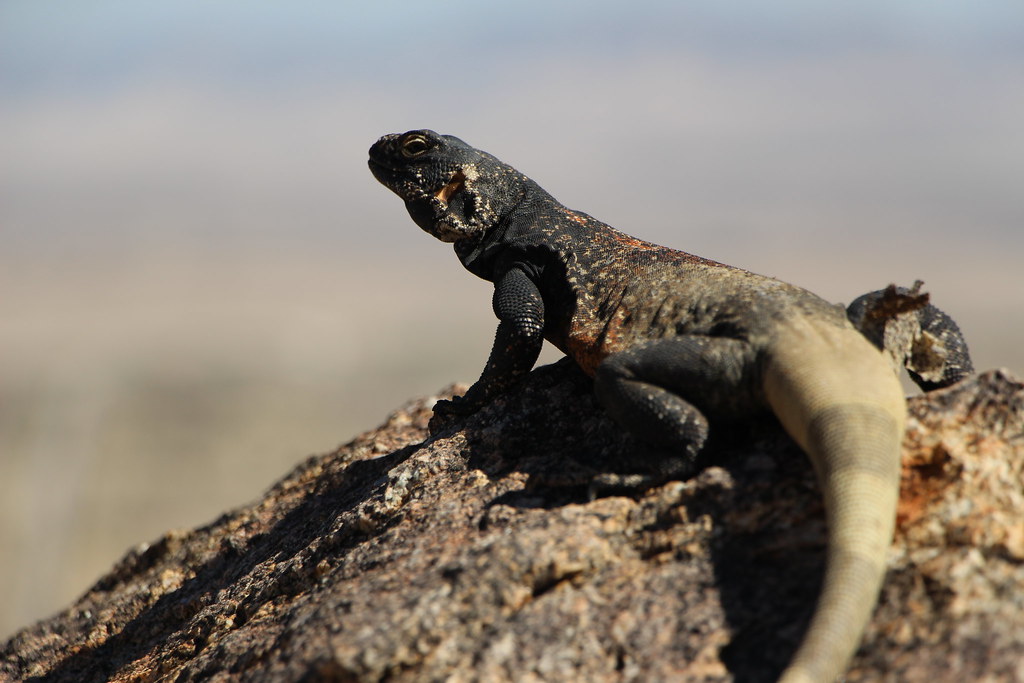
Common chuckwallas thrive in heat-scorched desert canyons and rocky outcrops across the American Southwest and northwestern Mexico. When threatened, these thick-bodied herbivores wedge themselves into tight rock crevices and inflate their lungs with air, locking their scaly bodies firmly in place. Males display bold dark bodies with red or orange tails during the spring breeding season to establish territory from high boulders.
HerbivorousDesert DwellerBasking Lizard
—observations
—countries
—peak records
Least ConcernConservation statusIUCN Red List categoriesLCNTVUENCREWEXLeast ConcernRed List categories, explained →
Diet & prey
- Brittlebush Blossoms
- Creosote Leaves
- Desert Fruit
Predators
- Red-tailed Hawks
- Coyotes
- Speckled Rattlesnakes
ThreatsHabitat fragmentation, urbanization, illegal pet collection
HabitatsRocky deserts, boulder fields, canyon walls, lava flows
Life span15–25 years
Size / weightNot available
Classification
- FamilyIguanidae
- SpeciesSauromalus ater
Range data is not available yet.
Interaction riskLow
- Low
- Moderate
- High
- Very high
- Why interaction risk is low
- Nontoxic and shy, but capable of a sharp bite if cornered; observe from a distance.
Responsible observation
- Basking Hours: Scan sunny rock outcrops during warm mornings when chuckwallas emerge to warm up.
- Observer Distance: Maintain a steady distance of several meters to avoid sending them ducking into crevices.
- Crevice Etiquette: Never try to extract or pull a wedged lizard from rock cracks, as this causes severe injury.
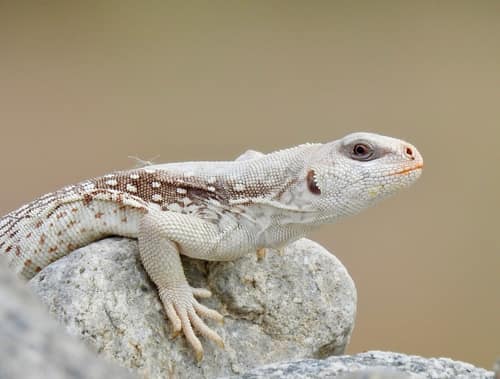
Desert Co-Inhabitant (c) Diana, some rights reserved (CC BY), uploaded by Diana · cc-by
Predator Marshal Hedin / CC BY-SA 2.5 · cc-by-sa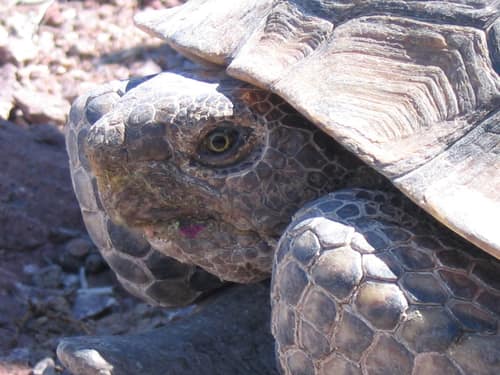
Herbivore Neighbor (c) Pacific Southwest Region USFWS, some rights reserved (CC BY) · cc-by Image unavailable
Close Relative
Help improve the field guideSomething wrong?
Checking your Fauna account…Report a name, category, or profile issue for review.