
Reptile · GBIF taxon 2455615
Red Cornsnake
Pantherophis guttatusAlso known as Corn Snake, Red Rat Snake
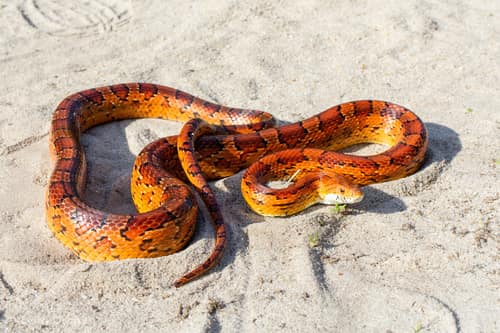
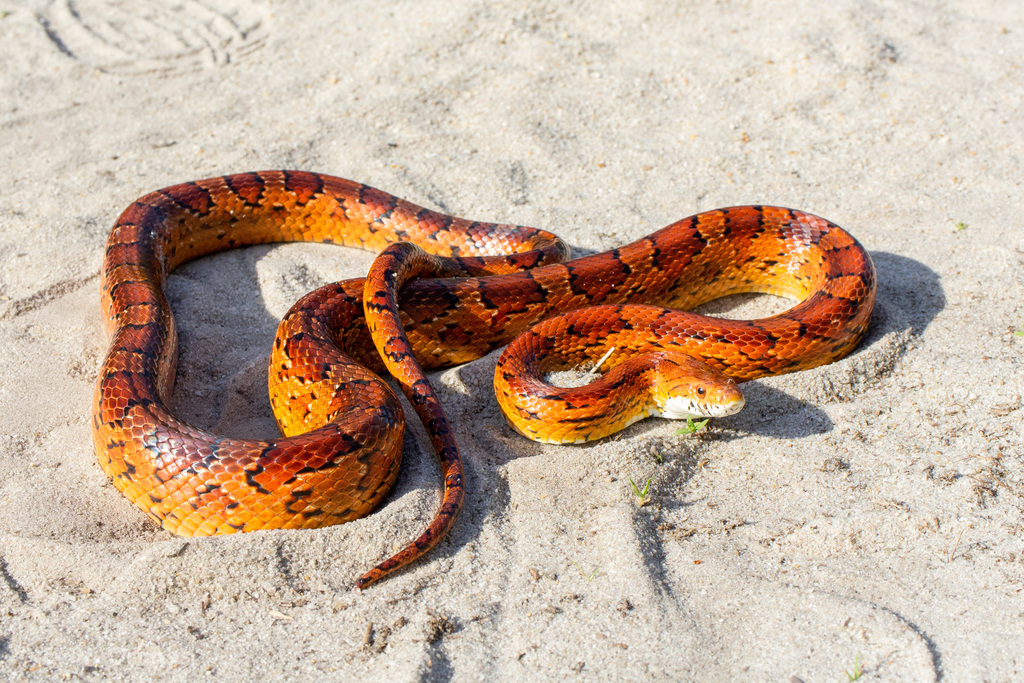
Red cornsnakes are active, terrestrial constrictors known for their vibrant orange and red blotches framed by bold black borders along a lighter background. They spend much of their time hunting rodents in pine flatwoods, overgrown fields, and suburban edges, frequently climbing trees or barn rafters in search of nestling birds and small mammals. Highly popular in the reptile keeping community due to their gentle nature, wild populations play a vital ecological role in regulating pest populations.
ConstrictorTerrestrialDocile
 1 / 7
1 / 7—observations
—countries
—peak records
Least ConcernConservation statusIUCN Red List categoriesLCNTVUENCREWEXLeast ConcernRed List categories, explained →
Diet & prey
- Mice
- Rats
- Bird eggs
Predators
- Hawks
- Kingsnakes
- Raccoons
ThreatsHabitat loss, road mortality, deliberate killing from mistaken identity
HabitatsPine flatwoods, agricultural fields, deciduous forests, suburban yards
Life span10–15 years in the wild (up to 20+ years in captivity)
Classification
- FamilyColubridae
- GenusPantherophis
- SpeciesPantherophis guttatus
Range data is not available yet.
Interaction riskLow
- Low
- Moderate
- High
- Very high
- Why interaction risk is low
- Harmless to humans, though wild individuals may deliver a quick defensive bite if handled.
- Why it is dangerous
- Lacks venom, but possesses small recurved teeth capable of causing minor skin punctures when threatened.
- How to recognize a risky encounter
- Look for bright orange blotches with black outlines and a black-and-white checkered belly pattern.
- What to do
- Observe quietly from a comfortable distance and avoid cornering or grabbing wild individuals.
Responsible observation
- Identification: Check for a distinctive black-and-white checkered pattern on the belly.
- Approach: Maintain a respectful distance to avoid causing stress or triggering a defensive strike.
- Gardening benefit: Welcome these harmless snakes in yards to control destructive pest populations.
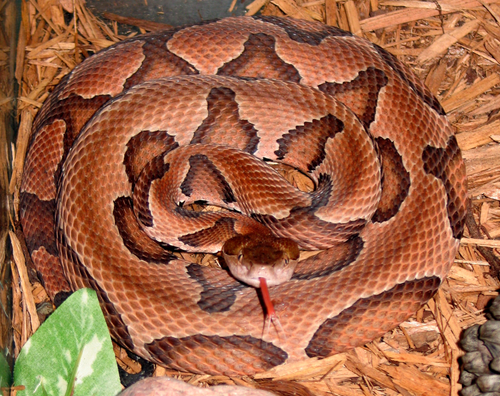
Look-Alike Wikimedia Commons / Public domain · cc0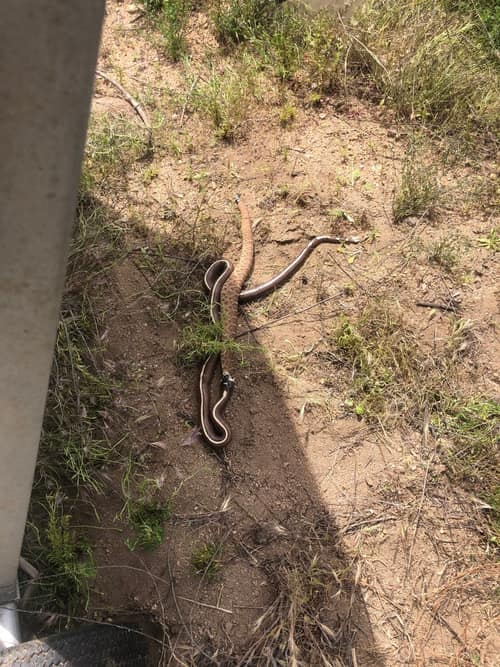
Predator (c) Amy Huie, some rights reserved (CC BY) · cc-by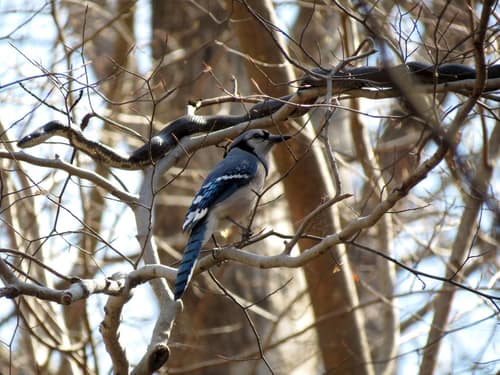
Close Relative (c) Katja Schulz, some rights reserved (CC BY) · cc-by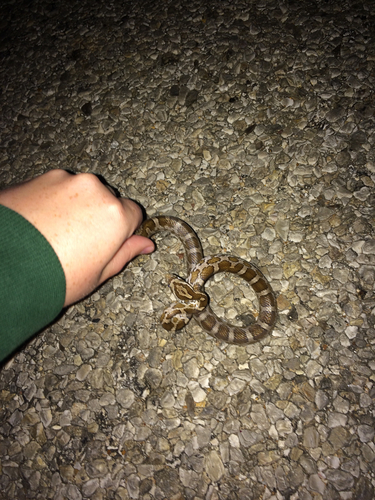
Close Relative (c) Kaitlyn Forks, some rights reserved (CC BY) · cc-by
Help improve the field guideSomething wrong?
Checking your Fauna account…Report a name, category, or profile issue for review.