
Reptile
Ganges Softshell Turtle
Nilssonia gangeticaAlso known as Indian Softshell Turtle
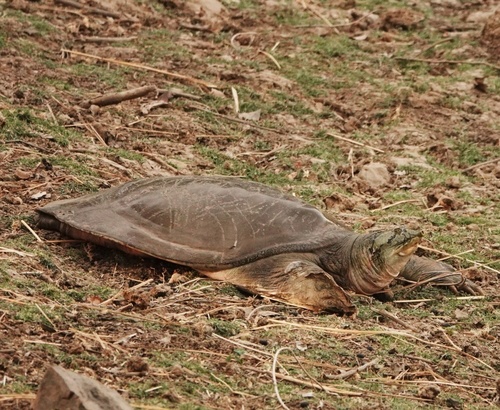
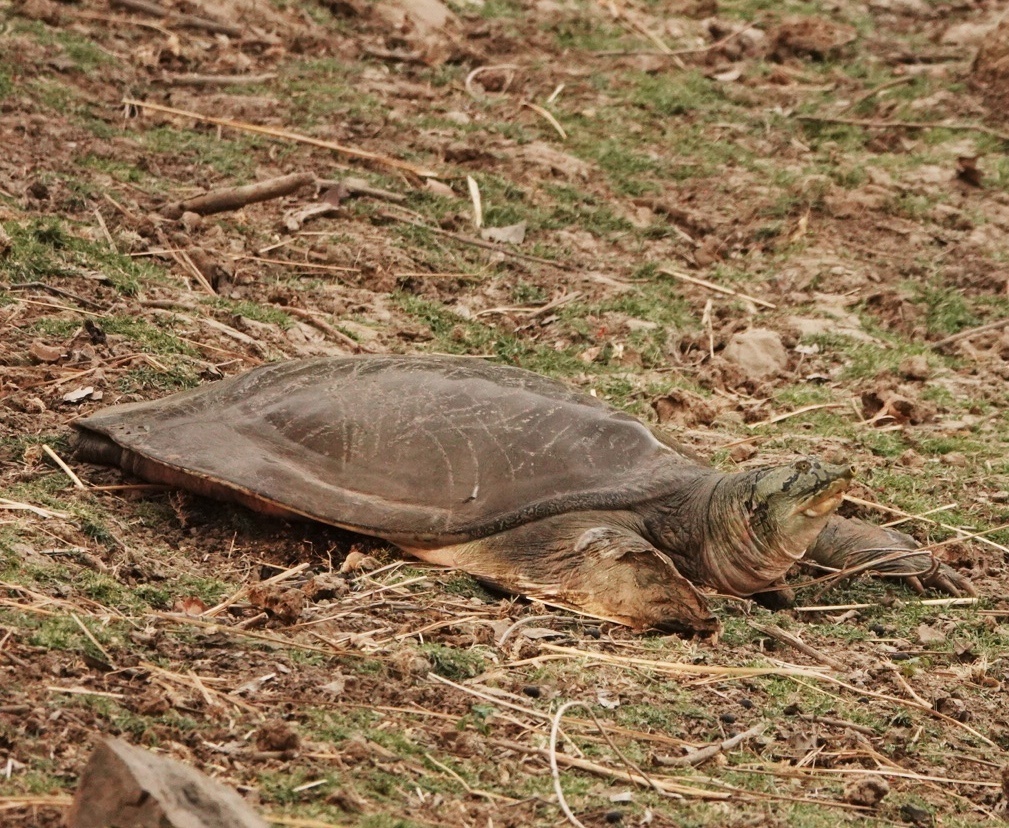
Ganges softshell turtles spend the bulk of their lives submerged in murky river bottoms, relying on long, snorkel-like snouts to draw air while staying completely buried in fine sand or silt. Their leathery shells lack the rigid, bony scutes of hard-shelled turtles, allowing them to glide swiftly through strong currents in pursuit of aquatic prey. Revered in temple ponds yet heavily threatened in wild waters, they serve as crucial river scavengers by consuming rotting carrion and regulating fish populations.
Aquatic ReptileFreshwater
—observations
—countries
—peak records
EndangeredConservation statusIUCN Red List categoriesLCNTVUENCREWEXEndangeredRed List categories, explained →
Diet & preyFreshwater Fish, Amphibians, Freshwater Mollusks
Predators
- Mugger Crocodile
- Golden Jackal
- Feral Dog
ThreatsIllegal poaching for meat and calipee, sand mining of nesting beaches, and dam construction
HabitatsLarge muddy rivers, canals, wetlands, and temple ponds
Life span30–50 years
Classification
- FamilyTrionychidae
- SpeciesNilssonia gangetica
Range data is not available yet.
Interaction riskLow
- Low
- Moderate
- High
- Very high
- Why interaction risk is low
- Delivers a rapid, powerful bite with extensive neck reach; observe from a respectful distance.
- Why it is dangerous
- Powerful, sharp-edged jaws driven by strong neck muscles can easily crush flesh or sever fingers during a defensive strike.
- How to recognize a risky encounter
- Look for an oval, olive-green leathery shell lacking horny scales, paired with a tubular snout and black reticulated head markings.
- What to do
- Never attempt to handle or corner one on land; step back and let the turtle retreat to water unimpeded.
- What to notice
- Large, flat turtle resting near deep river channels, oxbow marshes, or secluded sand islands in the Ganges and Indus systems.
- Support conservation
- Avoid approaching nesting sandbars between September and February to prevent disturbing females or trampling buried egg clutches.
Responsible observation
- Distance: Maintain a buffer of several meters, as their extensible necks can strike with surprising speed and reach.
- Basking protocol: Scan sandy riverbars quietly from a boat, as individuals flee into the water at slight disturbances.
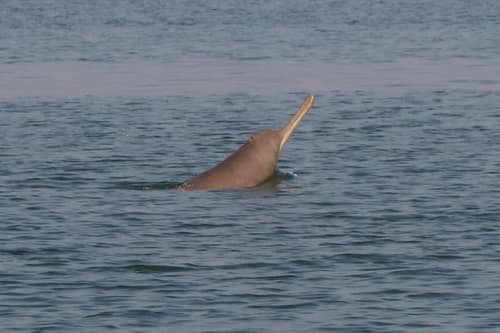
Co-inhabitant (c) Fábio Olmos, some rights reserved (CC BY), uploaded by Fábio Olmos · cc-by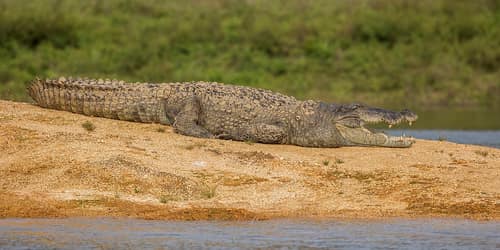
Predator Charles J. Sharp / CC BY-SA 4.0 · cc-by-sa Image unavailable
Close Relative Same Family
Help improve the field guideSomething wrong?
Checking your Fauna account…Report a name, category, or profile issue for review.