
Reptile · GBIF taxon 2441350
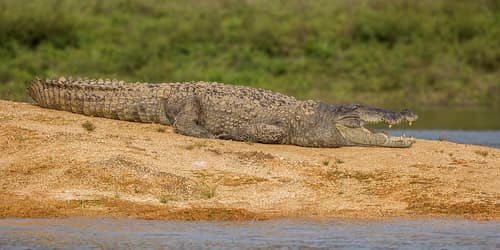
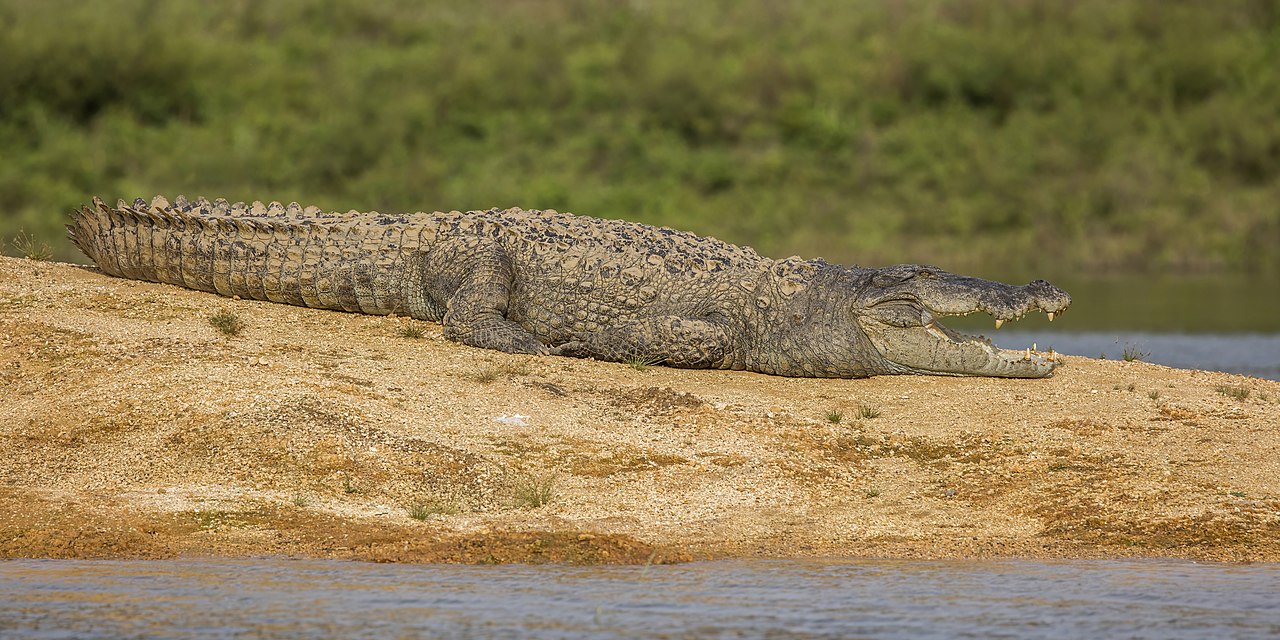
Mugger Crocodile
Crocodylus palustrisAlso known as Marsh Crocodile, Mugger, Broad-Snouted Crocodile, Indus Crocodile
Mugger crocodiles are heavily armored, broad-snouted predators that closely resemble alligators in appearance and ecological niche. These adaptable reptiles are famous for digging deep burrows to escape extreme seasonal temperatures, sometimes traveling long distances over land to find new water sources. They are also among the few crocodilians documented using twigs as lures to attract nesting birds.
Semi-aquaticBurrowingApex Predator
—observations
—countries
—peak records
VulnerableConservation statusIUCN Red List categoriesLCNTVUENCREWEXVulnerableRed List categories, explained →
Diet & prey
- Fish
- Water birds
- Deer
Predators
- Humans
- Tigers
- Large birds of prey
ThreatsHabitat destruction, entanglement in fishing nets, water depletion, and conflict with humans
HabitatsFreshwater marshes, rivers, lakes, reservoirs, and irrigation canals
Life span30 to 50 years in the wild
Size / weightNot available
Classification
- FamilyCrocodylidae
- SpeciesCrocodylus palustris
Native
Interaction riskHigh
- Low
- Moderate
- High
- Very high
- Why interaction risk is high
- A large, powerful predator; maintain a safe distance of at least 20 meters from the water's edge.
- Why it is dangerous
- Capable of launching sudden, explosive ambush attacks from the water to drag large prey or humans under.
- How to recognize a risky encounter
- Distinguished by its exceptionally broad, alligator-like snout and heavily armored, olive-brown body.
- What to do
- Never swim in inhabited waters, keep pets on a leash, and back away slowly if encountered on land.
- What to notice
- Look for their distinctive broad heads resting at the water surface in freshwater wetlands.
- Support conservation
- Report sightings to local conservation authorities and support wetland preservation initiatives.
Responsible observation
- Keep your distance: Never approach the water's edge in known crocodile habitats, especially during twilight hours.
- Watch for slides: Look for smooth, muddy slides on riverbanks which indicate active entry and exit points.
- Respect nesting sites: Avoid sandy banks during the dry season when protective mothers guard buried eggs.
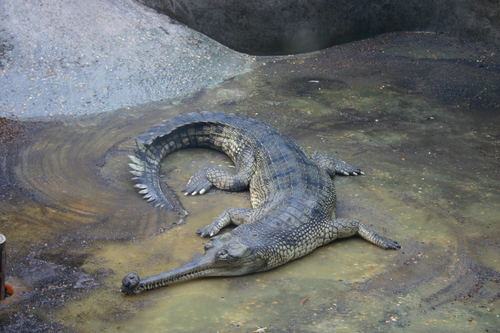
Frequent Companion (c) Ryan Somma, some rights reserved (CC BY-SA) · cc-by-sa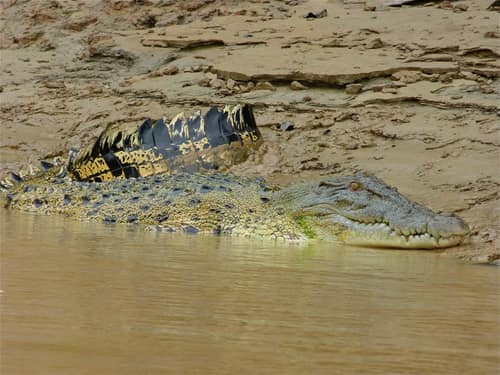
Close Relative (c) Bernard DUPONT, some rights reserved (CC BY-SA) · cc-by-sa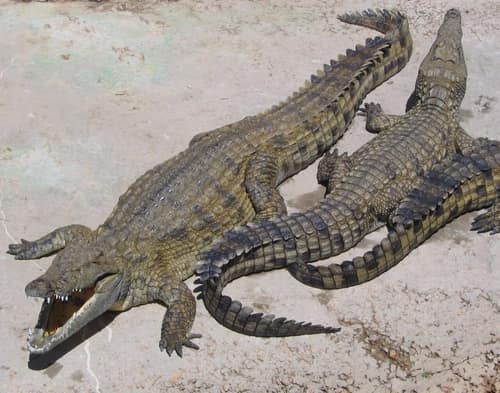
Close Relative Dewet / CC BY-SA 2.0 · cc-by-sa
Help improve the field guideSomething wrong?
Checking your Fauna account…Report a name, category, or profile issue for review.