
Mammal
Ganges River Dolphin
Platanista gangeticaAlso known as Susu, Shushuk, Blind River Dolphin, Ganges Dolphin
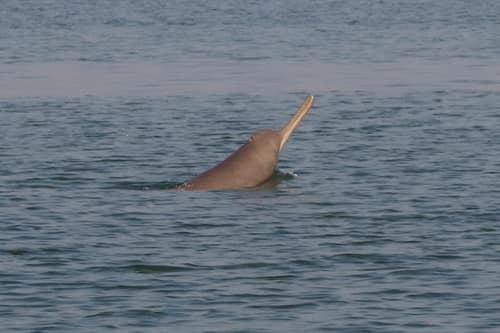
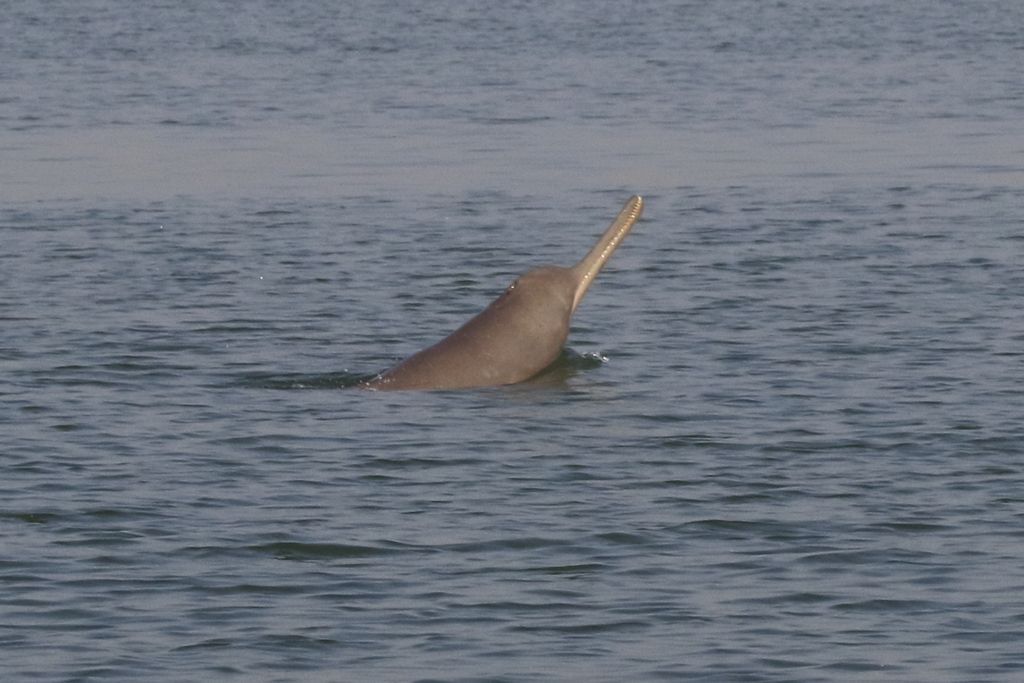
Ganges river dolphins are functionally blind freshwater cetaceans that navigate turbid river channels using high-frequency echolocation clicks. Swimming on their sides in shallow currents, they probe the muddy riverbed with long, toothy beaks to catch fish and crustaceans. Heavy dam construction, industrial pollution, and accidental entanglement in fishing nets pose severe risks to their remaining populations.
FreshwaterEcholocation
—observations
—countries
—peak records
EndangeredConservation statusIUCN Red List categoriesLCNTVUENCREWEXEndangeredRed List categories, explained →
Diet & preyCatfish, Carp, Prawns
Predators
- Humans
- Large crocodiles
ThreatsDams, water diversion, net entanglement, and river pollution
HabitatsTurbid freshwater rivers, deep river pools, and floodplains
Life span20–30 years
Classification
- FamilyPlatanistidae
- SpeciesPlatanista gangetica
Range data is not available yet.
Interaction riskLow
- Low
- Moderate
- High
- Very high
- Why interaction risk is low
- Capable of delivering a sharp bite if cornered or entangled; observe safely from riverbanks or boats.
- What to notice
- Identified by a long slender snout studded with visible teeth, tiny eyes, and a low triangular dorsal ridge.
- Support conservation
- Observe strictly from boats or shoreline viewing sites at a respectful distance, avoiding any sudden maneuvers.
Responsible observation
- Observation Spotting: Look for brief surface breaks and listen for the blowhole exhales near deep river bends.
- Boating Safety: Cut motor speeds near known dolphin pools to eliminate dangerous propeller strikes and noise disturbance.
- Habitat Protection: Support regional river conservation projects focused on removing abandoned gillnets.
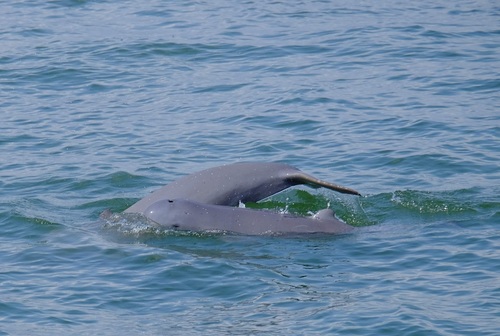
Co-Occurring Cetacean (c) Long Vu, some rights reserved (CC BY), uploaded by Long Vu · cc-by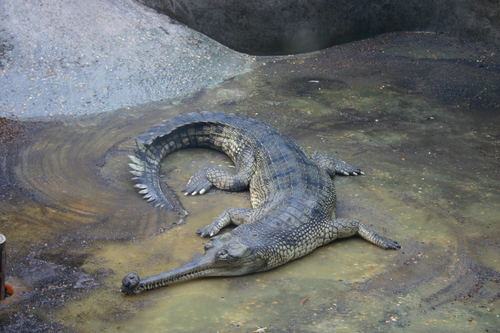
Co-Occurring Species (c) Ryan Somma, some rights reserved (CC BY-SA) · cc-by-sa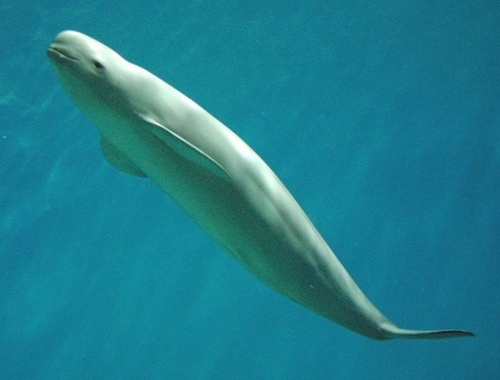
Co-Occurring Cetacean (c) Cipher01, some rights reserved (CC BY-SA) · cc-by-sa
Help improve the field guideSomething wrong?
Checking your Fauna account…Report a name, category, or profile issue for review.