
Reptile · GBIF taxon 2441911
Central American Snapping Turtle
Chelydra rossignoniiAlso known as Mexican Snapping Turtle, Yucatán Snapping Turtle
Central American snapping turtles inhabit sluggish rivers, swamps, and flooded woodlands across southern Mexico and Central America. These nocturnal, bottom-dwelling reptiles rely on camouflage and powerful hooked jaws to ambush fish, crustaceans, and small vertebrates. Distinctive tubercular ridges along the neck and a heavily keeled carapace help them blend into muddy substrate.
NocturnalAquaticReptile
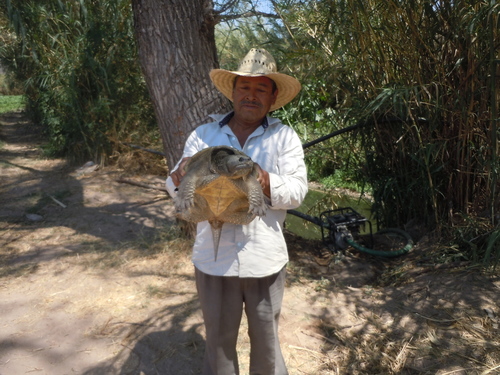
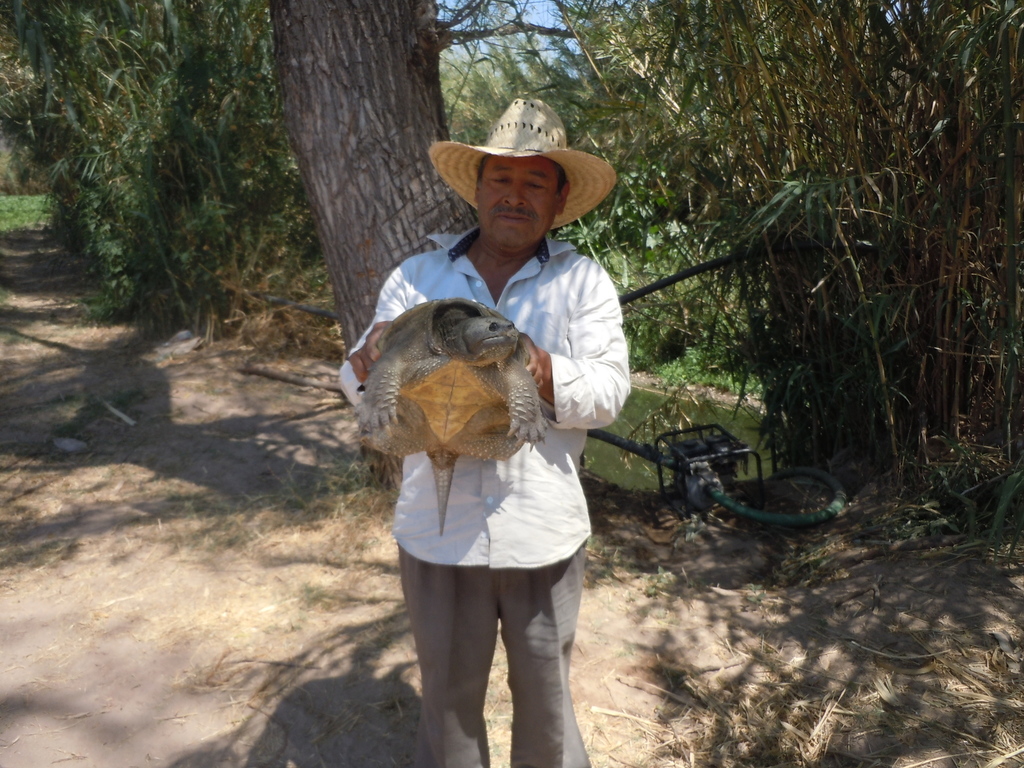 1 / 2
1 / 2—observations
—countries
—peak records
Near ThreatenedConservation statusIUCN Red List categoriesLCNTVUENCREWEXNear ThreatenedRed List categories, explained →
Diet & prey
- Fish
- Crustaceans
- Amphibians
Predators
- Jaguars
- Crocodiles
- Humans
ThreatsHabitat loss, water pollution, and overcollection for meat
HabitatsSlow-moving rivers, swamps, marshes, and flooded forests
Life span30–50 years
Classification
- FamilyChelydridae
- SpeciesChelydra rossignonii
Range data is not available yet.
Interaction riskLow
- Low
- Moderate
- High
- Very high
- Why interaction risk is low
- Possesses powerful jaws capable of delivering severe bites; admire from a safe distance and never handle.
- Why it is dangerous
- Possesses an extremely strong jaw mechanism and long flexible neck capable of inflicting deep lacerations or crushing injuries.
- How to recognize a risky encounter
- Look for a dark, deeply keeled carapace with a long tail and prominent raised bumps on the neck.
- What to do
- Maintain a safe buffer of at least two meters and do not step into murky water where turtles rest.
- What to notice
- Recognized by three distinct longitudinal keels on the upper shell and coarse skin papillae.
- Support conservation
- Avoid revealing exact location coordinates on public platforms to protect local populations from poaching.
Responsible observation
- Observation Distance: Stay back from murky water edges where these turtles hunt near the shore.
- Handling Caution: Never attempt to pick up a snapping turtle, as their long neck can reach around quickly.
- Flashlight Etiquette: Use red light during nocturnal surveys to avoid disturbing foraging individuals.
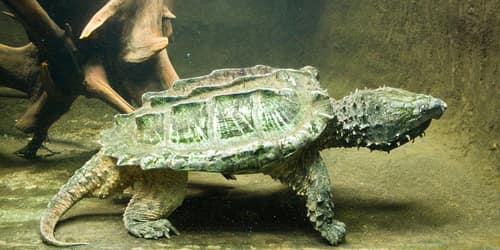
Larger Cousin (c) Tina Li, some rights reserved (CC BY-SA) · cc-by-sa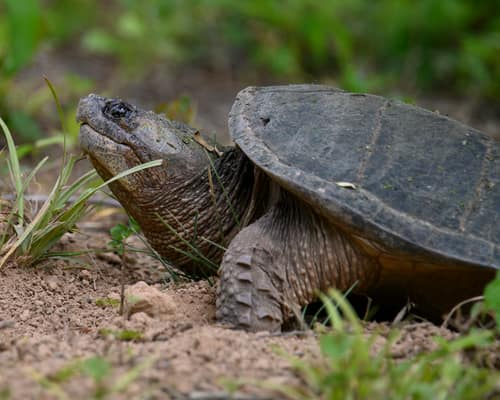
Close Relative (c) lwolfartist, some rights reserved (CC BY) · cc-by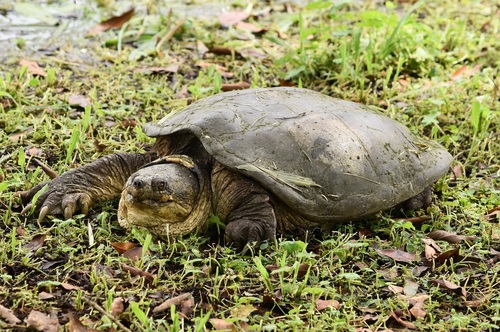
Close Relative (c) Norman Salazar Arguedas, some rights reserved (CC BY-SA), uploaded by Norman Salazar Arguedas · cc-by-sa
Help improve the field guideSomething wrong?
Checking your Fauna account…Report a name, category, or profile issue for review.