
Reptile
Slender-snouted Crocodile
Mecistops cataphractusAlso known as West African Slender-snouted Crocodile, Long-nosed Crocodile, Armour-backed Crocodile
Slender-snouted crocodiles are highly aquatic reptiles distinguished by their exceptionally narrow, elongated snouts adapted for catching fast-moving fish. They spend most of their lives basking on partially submerged logs or hiding in overhanging vegetation along forested rivers. Unlike many other crocodilians, they build mounded nests of decomposing vegetation on riverbanks, relying on the heat of decay to incubate their eggs.
AquaticCarnivorous
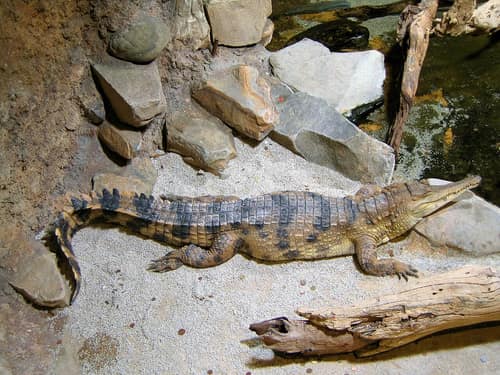
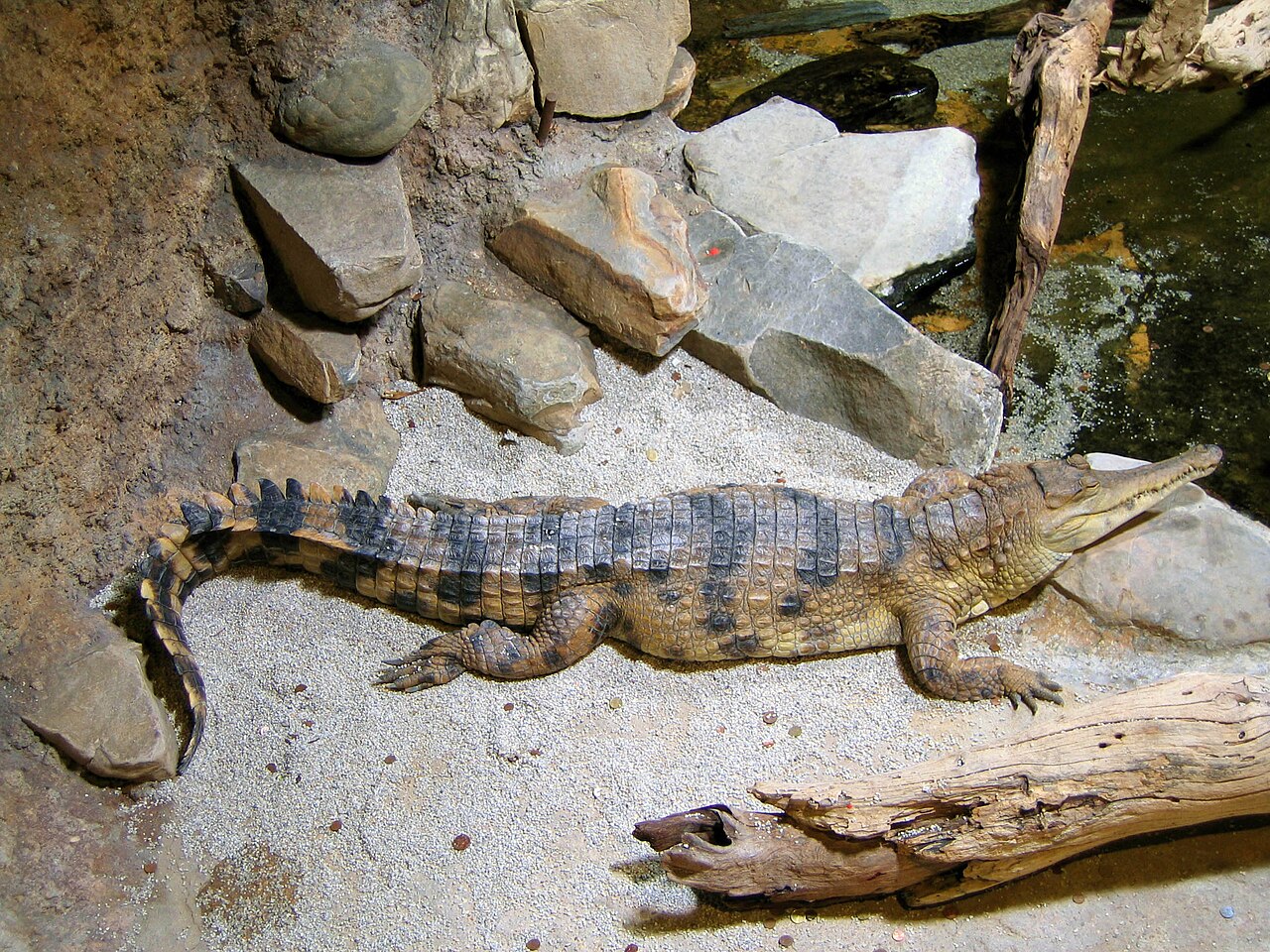
—observations
—countries
—peak records
Critically EndangeredConservation statusIUCN Red List categoriesLCNTVUENCREWEXCritically EndangeredRed List categories, explained →
Diet & preyFish, Freshwater crabs, Frogs
Predators
- Humans
- Monitor lizards
- Large birds of prey
ThreatsHabitat loss, overfishing, water pollution, and hunting for bushmeat and skins
HabitatsTropical rainforest rivers, deep pools, swamps, and coastal lagoons
Life span50 to 75 years
Classification
- FamilyCrocodylidae
- SpeciesMecistops cataphractus
Native
Interaction riskHigh
- Low
- Moderate
- High
- Very high
- Why interaction risk is high
- Can deliver a powerful bite if approached; observe only from a safe distance on watercraft.
- Why it is dangerous
- Possesses a powerful jaw with sharp teeth capable of causing severe lacerations and bone fractures if cornered or provoked.
- How to recognize a risky encounter
- Look for an exceptionally long, slender snout and a heavily armored back basking on logs in forested West African rivers.
- What to do
- Never approach on foot along riverbanks and avoid swimming in deep, slow-moving forest waterways within their range.
- What to notice
- Recognized by its narrow snout and preference for pristine, heavily forested river systems.
- Support conservation
- Report sightings to local conservation groups and avoid disturbing nesting mounds along the water's edge.
Responsible observation
- Keep Distance: Maintain a distance of at least 20 meters when observing from a boat.
- Avoid Nesting Sites: Steer clear of riverbanks with large mounds of leaf litter during the wet season.
- Use Binoculars: Appreciate their unique narrow profile and basking behavior using telephoto lenses.
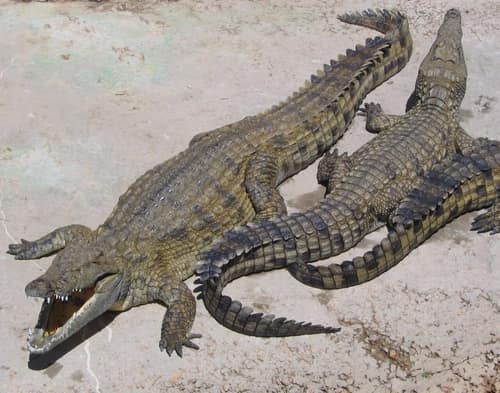
Competitor Dewet / CC BY-SA 2.0 · cc-by-sa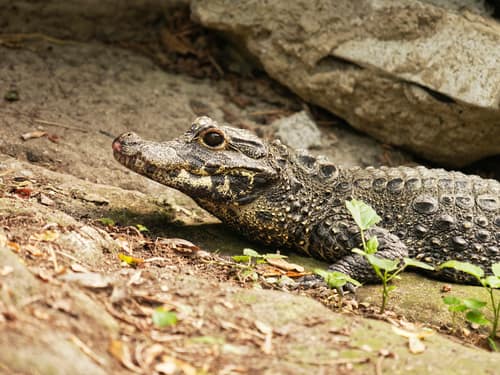
Co-habitant (c) Eric de Redelijkheid, some rights reserved (CC BY-SA) · cc-by-sa Image unavailable
Close Relative
Help improve the field guideSomething wrong?
Checking your Fauna account…Report a name, category, or profile issue for review.