
Reptile · GBIF taxon 2441348
Siamese Crocodile
Crocodylus siamensisAlso known as Siamese Freshwater Crocodile, Singapore Small-grain, Soft-belly
Siamese crocodiles are medium-sized freshwater crocodilians distinguished by a prominent bony crest behind their eyes and relatively broad, smooth snouts. These highly aquatic reptiles prefer slow-moving rivers, swamps, and marshes, where they spend their days basking on muddy banks or floating quietly among aquatic vegetation. Though historically widespread across Southeast Asia, wild populations are now critically fragmented, relying heavily on remote river basins and dedicated conservation breeding programs.
AquaticReptile
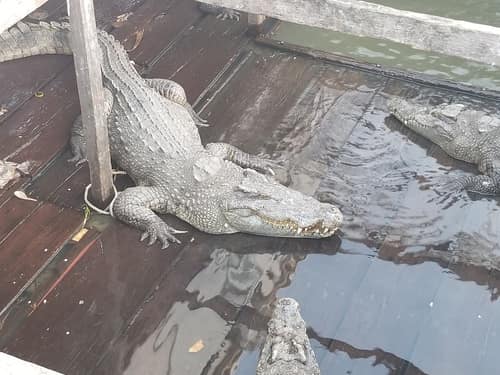
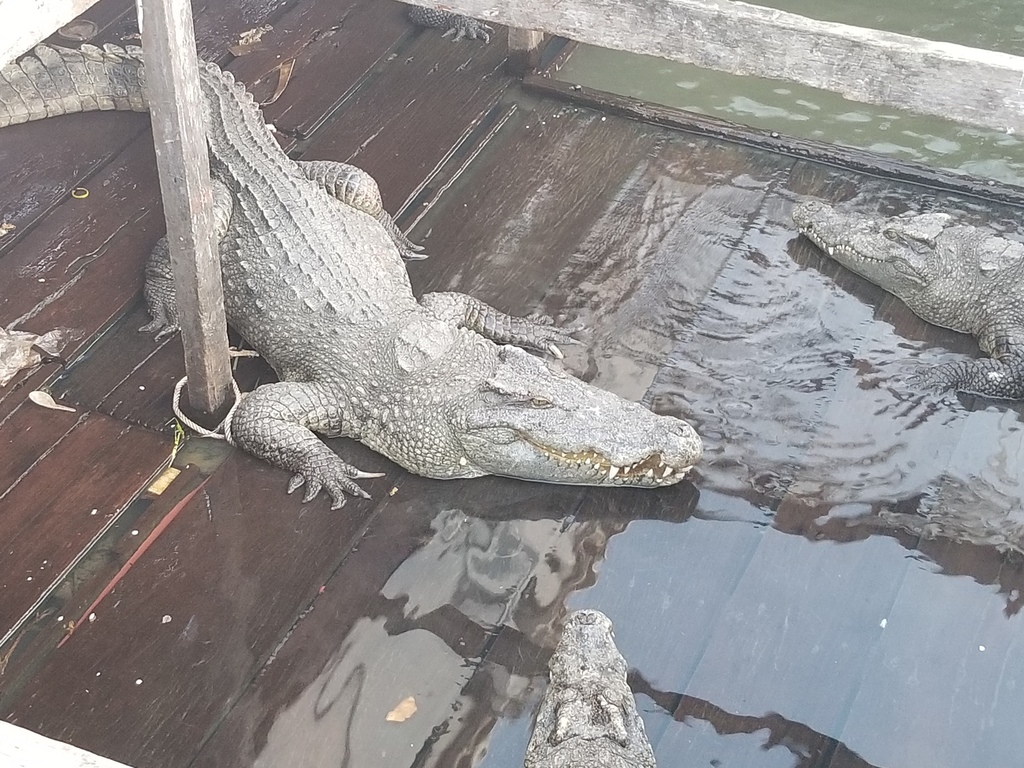
Licensed referenceno rights reserved, uploaded by Steven Smethurst · cc0
—observations
—countries
—peak records
Critically EndangeredConservation statusIUCN Red List categoriesLCNTVUENCREWEXCritically EndangeredRed List categories, explained →
Diet & prey
- Fish
- Frogs
- Water birds
Predators
- Humans
- Large birds of prey
- Monitor lizards
ThreatsHabitat loss, illegal hunting, collection of eggs and wild individuals for crocodile farms, and accidental drowning in fishing nets
HabitatsSlow-moving freshwater rivers, swamps, marshes, and oxbow lakes
Life spanUp to 60 to 70 years in the wild and captivity
Size / weightNot available
Classification
- FamilyCrocodylidae
- SpeciesCrocodylus siamensis
Native
Interaction riskHigh
- Low
- Moderate
- High
- Very high
- Why interaction risk is high
- Capable of delivering a powerful bite if cornered; maintain a safe distance and never approach.
- Why it is dangerous
- Possesses powerful jaws and sharp teeth capable of causing severe crush injuries or deep lacerations if provoked.
- How to recognize a risky encounter
- Look for a distinct raised bony ridge behind the eyes and a relatively broad snout compared to other crocodilians.
- What to do
- Never approach, feed, or attempt to handle wild crocodiles; back away slowly if one is encountered on land.
- What to notice
- Recognized by its olive-green to dark brown coloration and heavily armored tail scutes.
- Support conservation
- Avoid disturbing nesting sites along riverbanks and report any illegal poaching or egg collection to authorities.
Responsible observation
- Keep Distance: Observe wild individuals only from a safe distance, preferably from a boat or secure overlook.
- Support Sanctuaries: Visit verified conservation centers and national parks that fund wild population recovery.
- Report Sightings: Document wild encounters with local conservation groups to help map surviving populations.
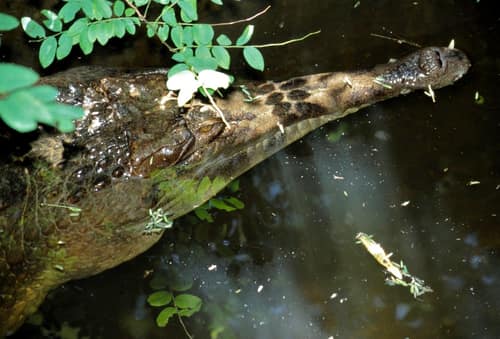
Co-habitant (c) Bernard DUPONT, some rights reserved (CC BY-SA) · cc-by-sa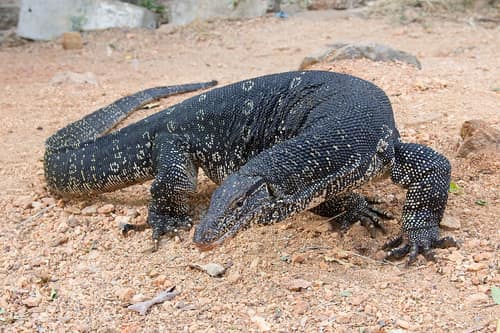
Nest Predator Carlos Delgado / CC BY-SA 4.0 · cc-by-sa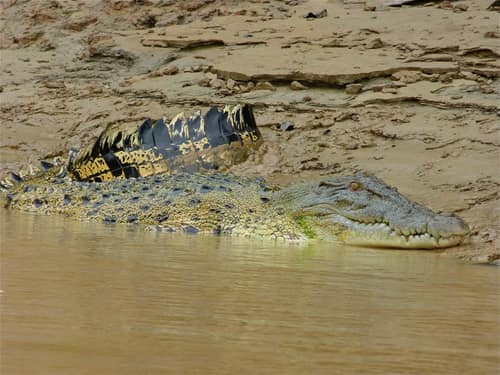
Close Relative (c) Bernard DUPONT, some rights reserved (CC BY-SA) · cc-by-sa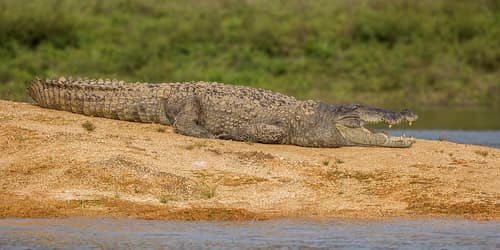
Close Relative Charles J. Sharp / CC BY-SA 4.0 · cc-by-sa
Help improve the field guideSomething wrong?
Checking your Fauna account…Report a name, category, or profile issue for review.