
Reptile · GBIF taxon 2441333
Saltwater Crocodile
Crocodylus porosusAlso known as Estuarine Crocodile, Indo-Pacific Crocodile, Saltie, Marine Crocodile
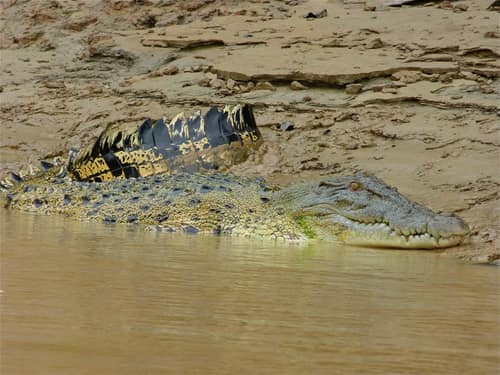
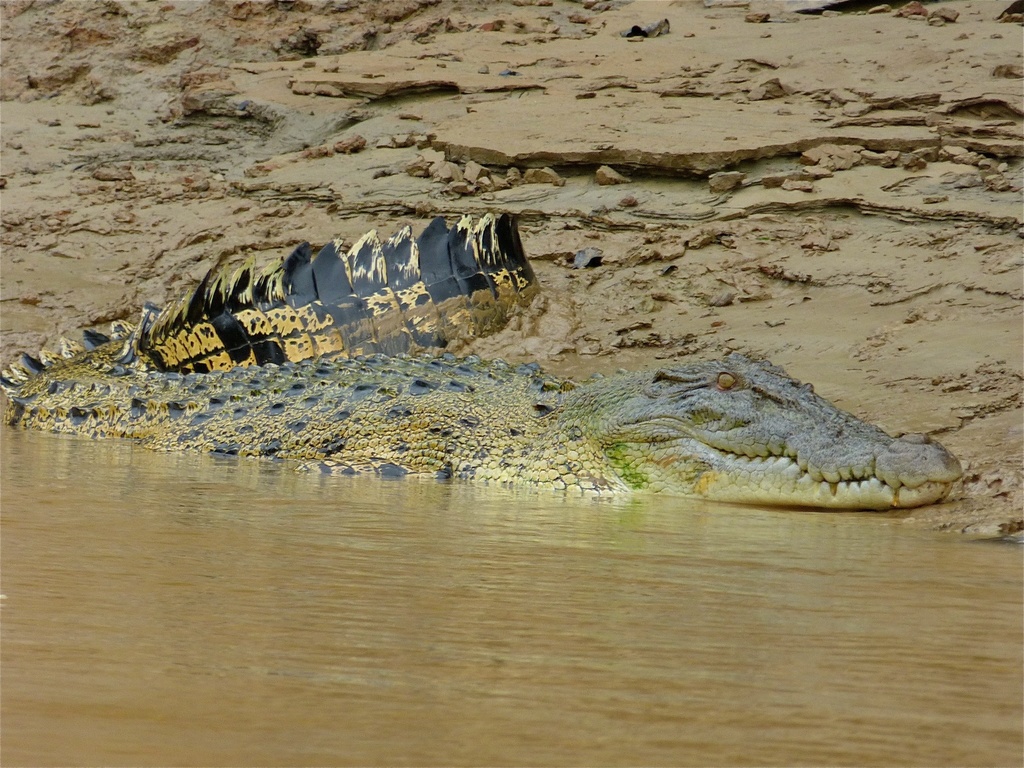
Saltwater crocodiles are the largest living reptiles on Earth, possessing immense power and an ancient design that has remained virtually unchanged for millions of years. These apex predators navigate coastal waters, estuaries, and inland rivers with stealth, using pressure-receptive scales along their jaws to detect the slightest vibrations of swimming prey. Highly territorial, mature males defend large stretches of shoreline and engage in dramatic displays of dominance during the breeding season.
Apex PredatorSemi-aquaticAncient
—observations
—countries
—peak records
Least ConcernConservation statusIUCN Red List categoriesLCNTVUENCREWEXLeast ConcernRed List categories, explained →
Diet & prey
- Wild pigs
- Water buffalo
- Fish
Predators
- Humans
- Other adult crocodiles
- Large sharks
ThreatsHabitat destruction, illegal poaching, and conflict-driven culling
HabitatsEstuaries, mangrove swamps, brackish rivers, and coastal marine waters
Life span70 to 100 years
Size / weightNot available
Classification
- FamilyCrocodylidae
- SpeciesCrocodylus porosus
Native
Interaction riskHigh
- Low
- Moderate
- High
- Very high
- Why interaction risk is high
- Extremely dangerous apex predator; stay well back from the water's edge and never swim in designated crocodile territory.
Responsible observation
- Observe warning signs: Always obey local croc country signs and avoid entering or standing near the water.
- Keep your distance: Maintain a distance of at least 50 meters when viewing these reptiles from a boat.
- Camp safely: Pitch tents at least 100 meters away from the water's edge and never leave food scraps.
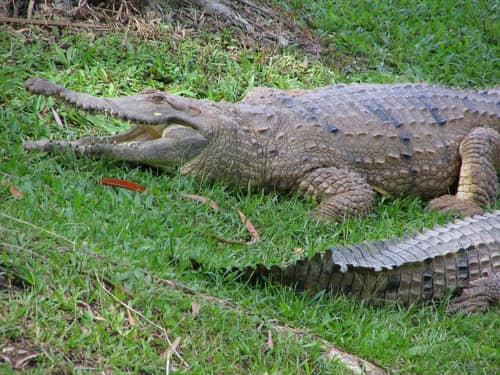
Close Relative (c) Benchill, some rights reserved (CC BY) · cc-by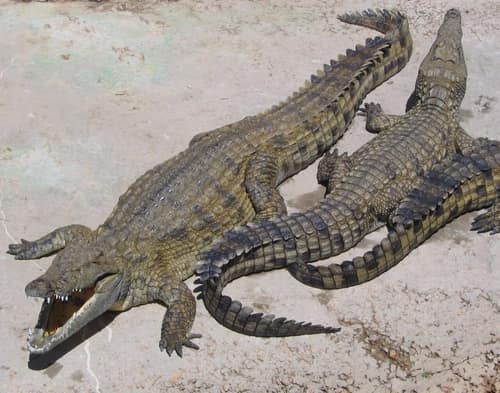
Close Relative Dewet / CC BY-SA 2.0 · cc-by-sa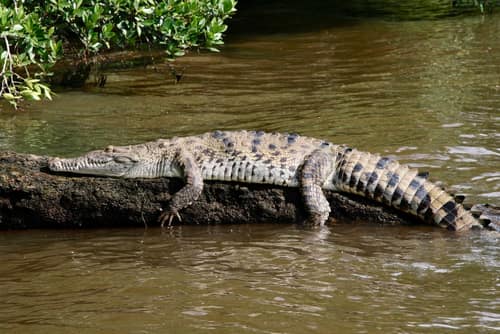
Close Relative (c) Dr. Alexey Yakovlev, some rights reserved (CC BY-SA) · cc-by-sa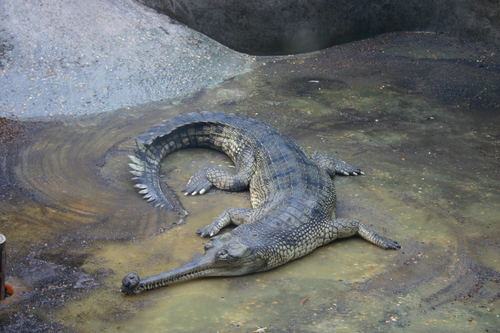
Distant Relative (c) Ryan Somma, some rights reserved (CC BY-SA) · cc-by-sa
Help improve the field guideSomething wrong?
Checking your Fauna account…Report a name, category, or profile issue for review.