
Species · GBIF taxon 9354985
Freshwater Crocodile
Crocodylus johnstoniAlso known as Australian Freshwater Crocodile, Johnstone's Crocodile, Johnstone River Crocodile, Freshie
Freshwater crocodiles are slender-snouted reptiles that bask on riverbanks and sandbars across northern Australia. They are remarkably agile on land, capable of a unique galloping gait when startled or moving between waterholes. During the dry season, they congregate in shrinking billabongs, sharing crowded pools peacefully unless provoked.
ReptileCarnivoreNocturnal
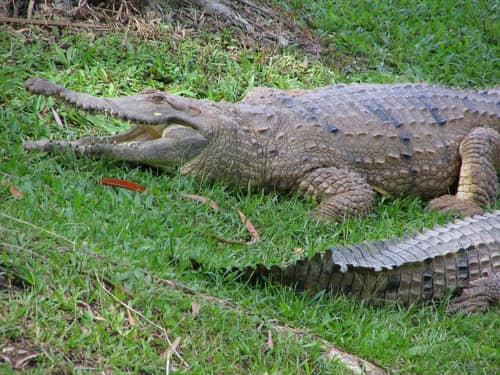
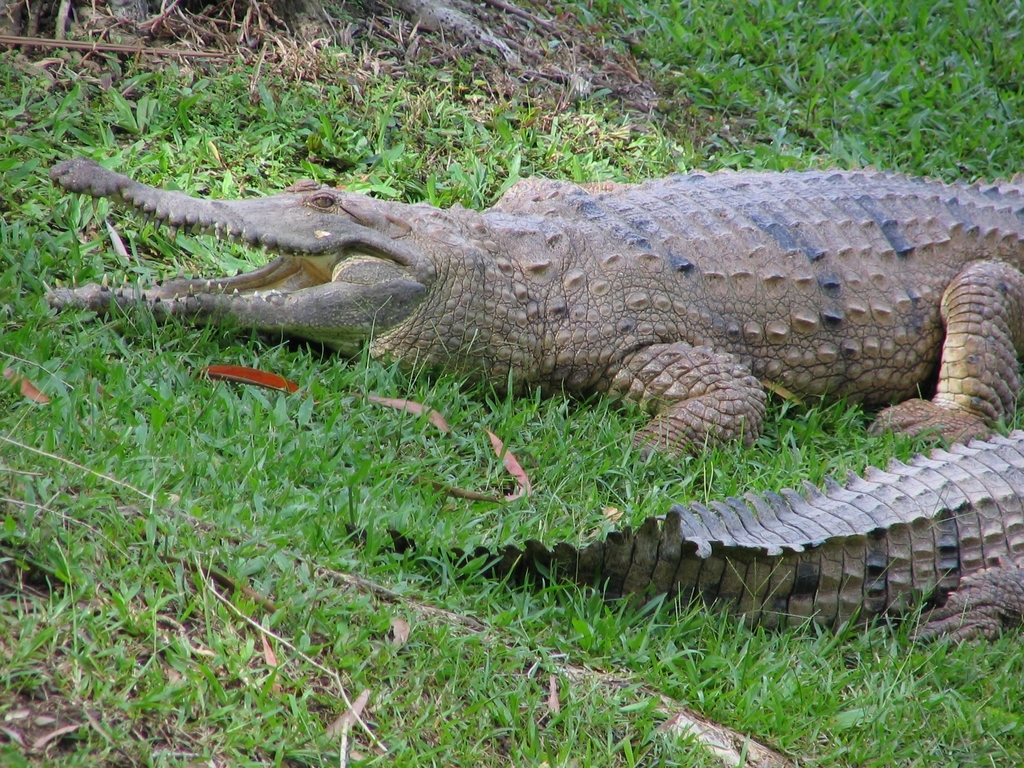
Licensed reference(c) Benchill, some rights reserved (CC BY) · cc-by
—observations
—countries
—peak records
Least ConcernConservation statusIUCN Red List categoriesLCNTVUENCREWEXLeast ConcernRed List categories, explained →
Diet & prey
- Fish
- Frogs
- Aquatic Insects
Predators
- Saltwater Crocodile
- Feral Pig
- White-Bellied Sea Eagle
ThreatsIngestion of toxic invasive cane toads, habitat destruction, and competition with saltwater crocodiles
HabitatsFreshwater rivers, creeks, billabongs, swamps, and upstream gorges
Life span50 to 60 years
Size / weightNot available
Classification
- FamilyCrocodylidae
- SpeciesCrocodylus johnstoni
Range data is not available yet.
Interaction riskHigh
- Low
- Moderate
- High
- Very high
- Why interaction risk is high
- Can deliver a painful defensive bite if cornered or startled; observe from a safe distance.
- Why it is dangerous
- Capable of inflicting severe lacerations with their sharp teeth when defending themselves or their nests.
- How to recognize a risky encounter
- Look for a narrow, tapered snout, needle-like teeth, and a smaller overall body size than saltwater crocodiles.
- What to do
- Never attempt to touch, feed, or corner them, and back away slowly if one displays defensive posturing.
Responsible observation
- Keep Distance: Maintain a respectful distance of at least ten meters when observing them on banks.
- Avoid Night Swimming: Do not swim in deep billabongs at night when these predators are most active.
- Watch the Snout: Distinguish them from saltwater crocodiles by their much narrower, V-shaped snout.
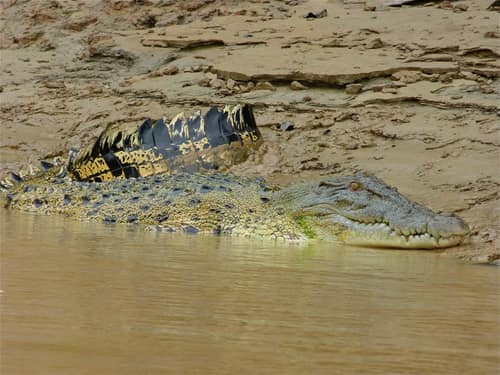
Competitor (c) Bernard DUPONT, some rights reserved (CC BY-SA) · cc-by-sa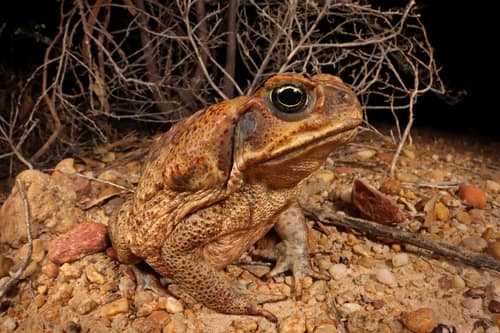
Invasive Threat (c) Connor Margetts, some rights reserved (CC BY), uploaded by Connor Margetts · cc-by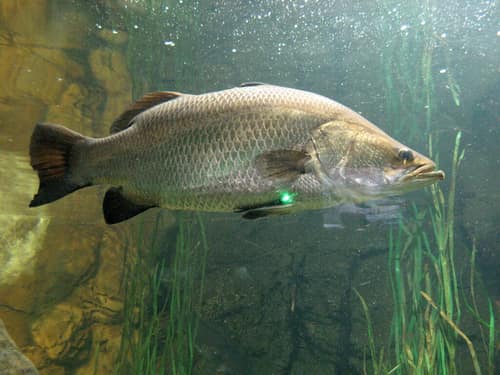
Prey (c) Mitch Ames, some rights reserved (CC BY-SA) · cc-by-sa
Help improve the field guideSomething wrong?
Checking your Fauna account…Report a name, category, or profile issue for review.