
Mammal · GBIF taxon 2440896
Malayan Tapir
Tapirus indicusAlso known as Asian Tapir, Asiatic Tapir, Piebald Tapir, Black-and-White Tapir
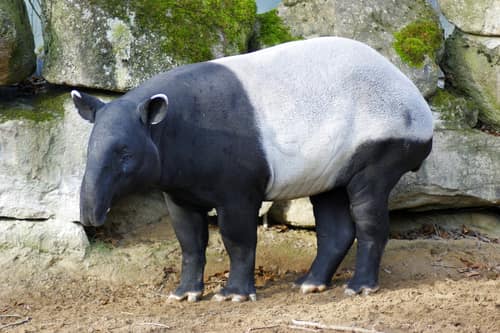
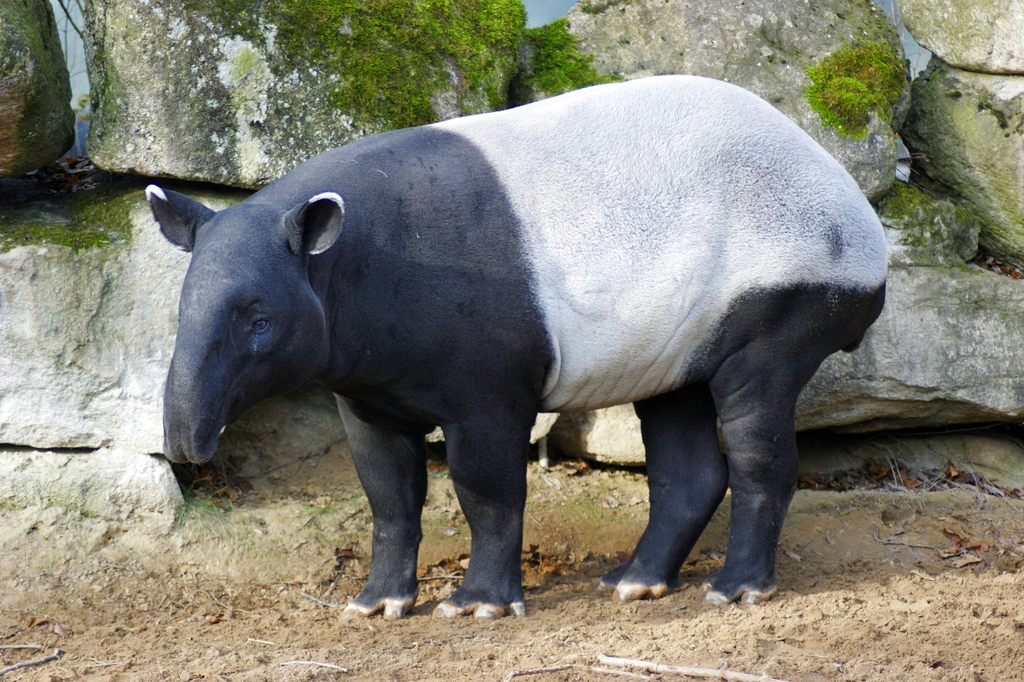
Malayan tapirs are easily recognized by their striking black-and-white coats, which break up their outline in the dappled light of the rainforest floor. These solitary, nocturnal herbivores use their highly flexible, prehensile snouts to pluck leaves and twigs from the understory. Despite their bulky, pig-like appearance, they are excellent swimmers and frequently seek out deep water to escape predators or cool down.
NocturnalRainforestSolitary
—observations
—countries
—peak records
EndangeredConservation statusIUCN Red List categoriesLCNTVUENCREWEXEndangeredRed List categories, explained →
Diet & prey
- Tree leaves
- Fallen fruits
- Aquatic plants
Predators
- Tigers
- Leopards
- Dholes
ThreatsHabitat loss, forest fragmentation, and accidental snaring
HabitatsTropical rainforests, swamps, and montane forests
Life spanAbout 25 to 30 years
Size / weightNot available
Classification
- FamilyTapiridae
- SpeciesTapirus indicus
Native
Interaction riskHigh
- Low
- Moderate
- High
- Very high
- Why interaction risk is high
- These large mammals can charge or bite defensively if cornered; observe quietly from a safe distance.
- Why it is dangerous
- Weighing up to 350 kilograms, they can charge, trample, or inflict deep, crushing bites with their sharp canine teeth if they feel threatened.
- How to recognize a risky encounter
- Look for the unmistakable large, pig-like body with a stark white midsection and a long, flexible snout.
- What to do
- Never approach a tapir, especially a mother with a calf; back away slowly if you encounter one on a trail.
- What to notice
- Recognizable by their distinctive black-and-white color block and nocturnal forest habits.
- Support conservation
- Avoid disclosing exact sighting locations publicly to protect them from illegal poaching and disturbance.
Responsible observation
- Listen for whistles: They communicate using high-pitched squeaks and whistles that sound surprisingly bird-like.
- Look near water: Search muddy riverbanks and wallows where they frequently bathe and leave distinctive three-toed tracks.
- Keep your distance: Give these heavy animals plenty of space, as they can charge if startled.
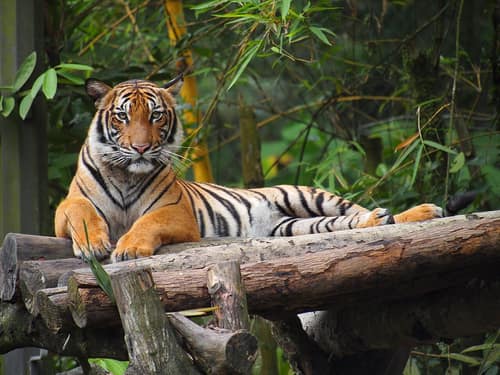
Predator Tu7uh / CC BY 3.0 · cc-by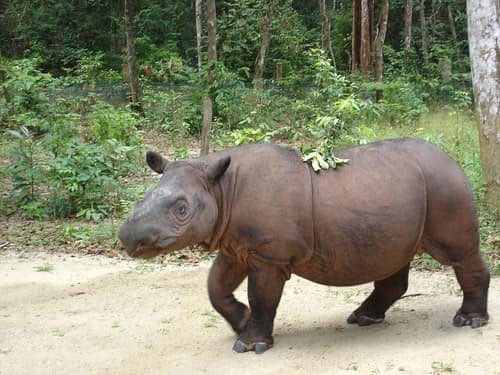
Frequent Companion 26Isabella / CC BY-SA 3.0 · cc-by-sa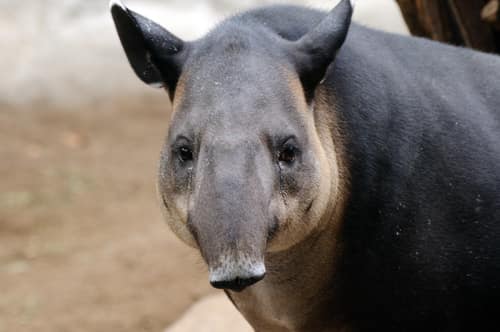
Close Relative "Baird's Tapir" by Eric Kilby is licensed under CC BY-SA 2.0. To view a copy of this license, visit https://creativecommons.org/licenses/by-sa/2.0/. · cc-by-sa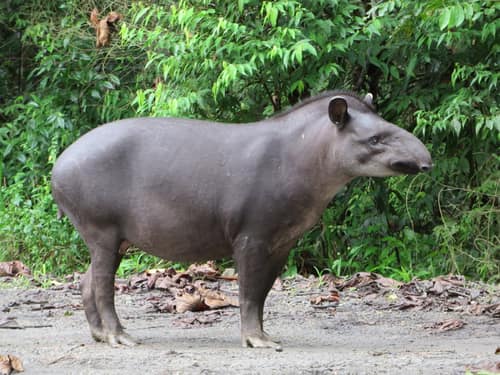
Close Relative (c) Jens-Christian Svenning, some rights reserved (CC BY), uploaded by Jens-Christian Svenning · cc-by
Help improve the field guideSomething wrong?
Checking your Fauna account…Report a name, category, or profile issue for review.