
Mammal · GBIF taxon 2440897
Baird's Tapir
Tapirus bairdiiAlso known as Central American Tapir, Danta, Macho de Monte, Garden Cow
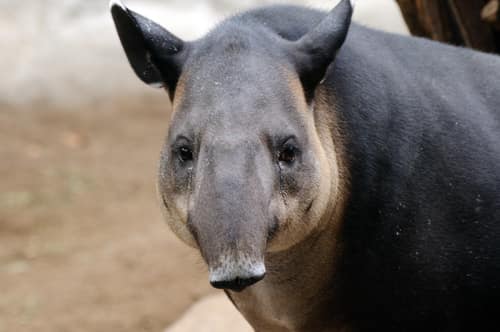
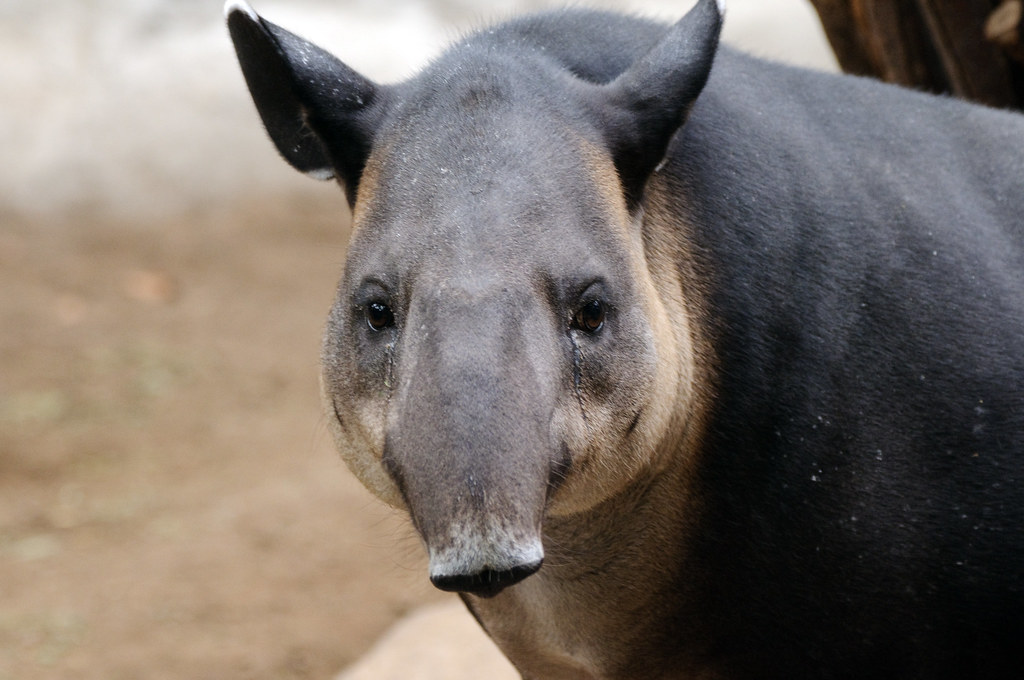
Baird's tapirs are massive, forest-dwelling herbivores easily recognized by their flexible, prehensile snout used to pluck leaves and fruit. Excellent swimmers and divers, they spend hot days submerged in forest rivers or wallowing in mud to stay cool and deter biting insects. As crucial seed dispersers, they help maintain the structural diversity of Central American rainforests.
NocturnalHerbivoreRainforest
—observations
—countries
—peak records
EndangeredConservation statusIUCN Red List categoriesLCNTVUENCREWEXEndangeredRed List categories, explained →
Diet & prey
- Herbivorous (leaves, twigs, fruits, aquatic plants, and bark)
Predators
- Jaguar
- Puma
- Crocodiles
ThreatsHabitat fragmentation, deforestation, poaching, and vehicle collisions
HabitatsTropical rainforests, deciduous forests, montane cloud forests, and wetlands
Life span25 to 30 years
Size / weightNot available
Classification
- FamilyTapiridae
- SpeciesTapirus bairdii
Native
Interaction riskHigh
- Low
- Moderate
- High
- Very high
- Why interaction risk is high
- Can charge or bite defensively if startled; maintain a safe distance of at least twenty meters.
- Why it is dangerous
- Though generally shy, their massive size and powerful jaws can cause severe crush injuries or deep bites if they feel cornered.
- How to recognize a risky encounter
- Recognizable by their pig-like body, dark brown hide, and a prehensile snout that twitches constantly.
- What to do
- Back away slowly if a tapir raises its snout, snorts, or stomps its feet; never get between a tapir and water.
- What to notice
- Look for a large, dark brown mammal with a pale grey face and throat, and a short, flexible trunk.
- Support conservation
- Observe quietly from a distance, avoid using flash photography at night, and never block their path to water.
Responsible observation
- Listen for whistles: They communicate using high-pitched whistles and clicks that carry through dense undergrowth.
- Look for tracks: Search muddy riverbanks for their distinctive four-toed front and three-toed hind footprints.
- Keep your distance: Never approach a tapir, especially a mother with a calf, as they can charge.
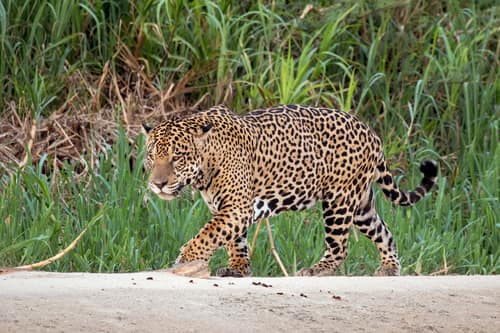
Predator (c) Charles J. Sharp , some rights reserved (CC BY-SA) · cc-by-sa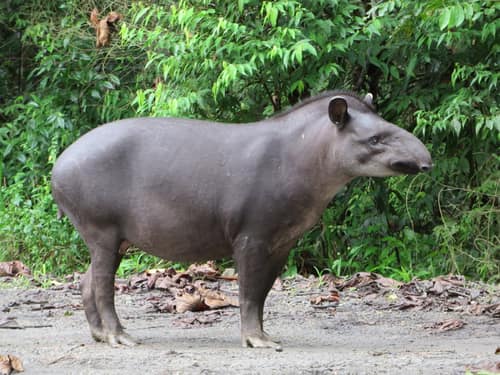
Close Relative (c) Jens-Christian Svenning, some rights reserved (CC BY), uploaded by Jens-Christian Svenning · cc-by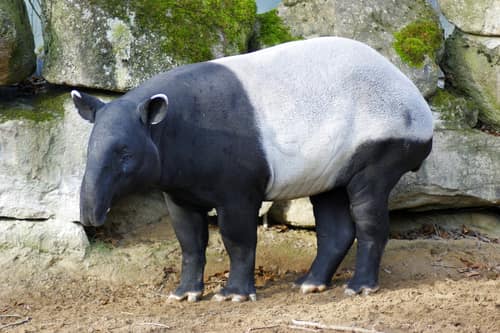
Close Relative (c) Allie_Caulfield, some rights reserved (CC BY) · cc-by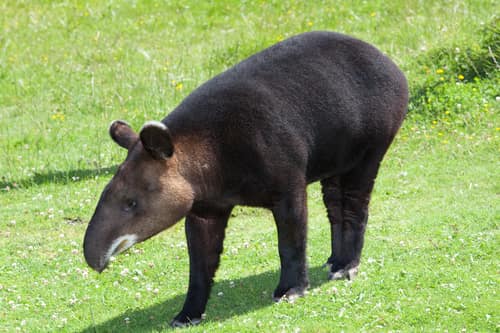
Close Relative (c) David Sifry, some rights reserved (CC BY) · cc-by
Help improve the field guideSomething wrong?
Checking your Fauna account…Report a name, category, or profile issue for review.